
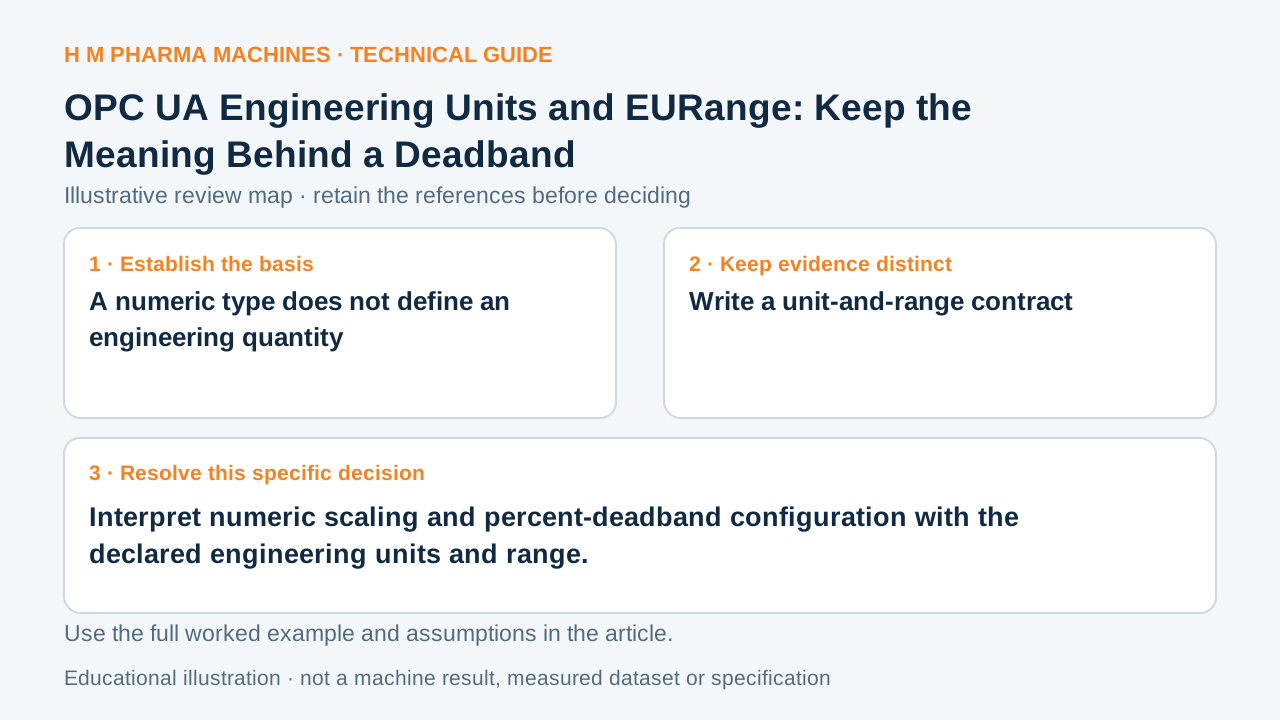
Interpret numeric scaling and percent-deadband configuration with the declared engineering units and range.
A numeric type does not define an engineering quantity
The OPC Foundation's Data Access model provides EngineeringUnits and EURange information to support value interpretation. The model also addresses semantic changes and percent-deadband context. A floating-point number alone cannot tell a client whether it represents bar, kPa or another quantity. Similarly, a deadband percentage has a different numeric meaning when the associated engineering range changes. Preserve these semantics rather than relying only on a friendly tag name.
OPC Foundation: Data Access information model supports the technical principle above.
Write a unit-and-range contract
List the tag's quantity, unit, EURange, consumer conversion and any configured deadband. Record which node supplies each property and what the client does if the property is unavailable or changes. Keep a unit conversion separate from a sensor-range decision: converting bar to kPa does not change the physical quantity, while changing a defined range can affect a percentage-based filter.
Ask whether the integration uses a constant assumed range or reads the declared metadata. An assumed value can become stale after an approved instrument or configuration change. Preserve the actual unit identifiers as well as display text where the interface supports them; a manually typed label should not silently overrule structured information.
Hypothetical deadband interpretation
In an invented example, a pressure variable has EURange 0 to 10 bar and a percent deadband of 1%. The range-based increment is 0.1 bar. If a revised fictional configuration declares 0 to 20 bar while retaining 1%, the corresponding increment becomes 0.2 bar. This calculation illustrates range dependence, not the full notification algorithm or an approved setting. The worksheet has columns for the old range, new range, percentage, resulting increment and client action on a semantic change. These examples are not measurements, specifications or interface promises for an HM machine.
Check the change path as well as the first connection
A useful acceptance plan asks how the consumer responds when the agreed unit or range metadata changes. It should avoid continuing to label or filter values using an obsolete assumption. Record expected display and logging behavior alongside the integration's versioned configuration. For a proposed machine-data project, confirm available interface properties before writing the contract. The guide explains how to preserve numeric meaning; it does not assert a particular tag set, select a deadband for a process or replace the application's requirements for resolution and response.
Customer Questions
Can a tag name alone establish its units?
No. Use the defined metadata or an explicit verified interface contract.
Does the same percentage always mean the same numeric deadband?
No. Its numeric context depends on the associated range and the defined filter semantics.
Should a client ignore later range changes?
No. Specify how it detects and handles relevant semantic changes.
Related Equipment References
Review the actual offered equipment and application separately from this educational example.
Primary References
These references support the technical principles discussed in this guide. The worked examples and review questions are educational.
Discuss Your Machine Requirement
Share your product, container, required output and the evidence needed for your technical review.
Request a Technical Review