
Send the Finished Surface, Not Just a Material Name
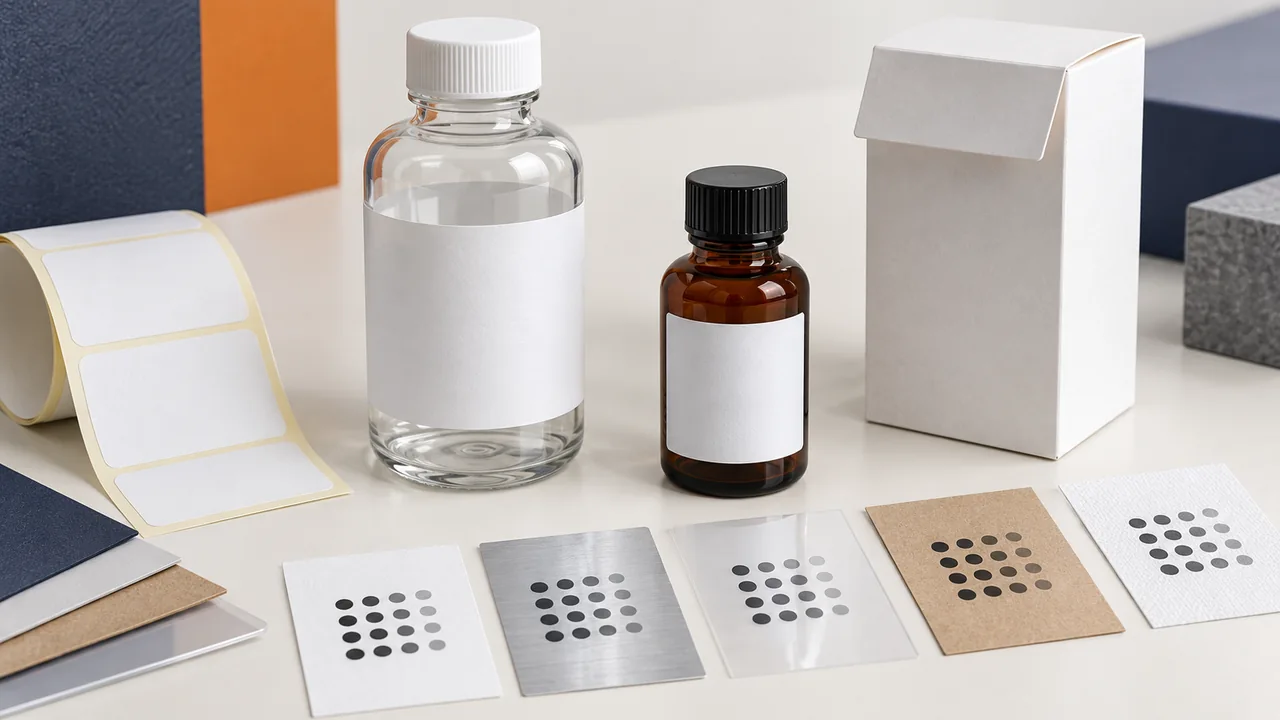
A coding trial should begin with the pack that will actually enter production. A carton described as cardboard may have a printed, coated or varnished surface. A bottle sample may differ from the purchased bottle in colour, finish or curvature. Those differences belong in the review before the buyer accepts a reference print.
Send representative finished packs and identify the supplier and revision. Include the intended coding area, any existing artwork and the condition in which the pack reaches the coder. H M Pharma Machines lists coding arrangements for approved packaging substrates; the final method is selected for the actual application.
Agree the Message and the Available Print Area
Provide an example of the required message, including the longest expected line and the fields that change. Keep that example distinct from a released production message. A demonstration should not quietly omit difficult characters or shorten the message to make it fit.
Mark the proposed location on a physical sample. Check available space against artwork, seams, curves and the way the pack is presented. Ask who approves the message layout and who controls subsequent changes. This article concerns equipment selection; the buyer remains responsible for approving the information required on the package.
Record Presentation and Trigger Conditions
Print quality is only one part of the trial. Record whether the pack is manually presented or carried by a conveyor, which face passes the coding head and how its position is maintained. Note the actual line condition used for each sample.
The proposed machine may use a detection sensor or encoder synchronization according to the ordered arrangement. Ask the supplier to identify the included trigger method. Include start, steady running and an agreed restart in the review, so a neat stationary sample is not mistaken for evidence of the complete production cycle.
Inspect the Code Using an Agreed Method
Define what will count as an acceptable result before collecting samples. Useful checks can include message correctness, presence, position and legibility. Use the agreed viewing or verification method consistently rather than accepting whichever sample looks best.
Keep the inspection question separate from the coding technology. A print-presence sensor does not necessarily verify every character. A visual check does not establish an automatic reject function. If a scanner, camera or other verification device is required, identify its task, acceptance method and supplied scope explicitly.
Include the Handling the Pack Will Actually Receive
A coded pack may next touch a guide, another container or a packing surface. Explain these later operations and agree which relevant conditions should be reproduced during the trial. If mark resistance is important, describe the buyer's checking method and the stage at which it will be applied.
Avoid a universal promise that one ink, laser or ribbon works on every surface. Keep the chosen consumable, surface condition and trial result together. If the substrate supplier changes a coating or finish, that change should trigger a review of whether the approved result still applies.
Use a Blank Substrate Trial Record
Prepare a separate row for each pack surface and important trial condition. Attach identified physical samples or photographs to the completed record. The fields below are a preparation template; they contain no claimed test results.
| Record field | Information to enter |
|---|---|
| Pack and revision | Supplier, material, finish and sample reference |
| Message | Approved trial layout and variable fields |
| Print area | Marked location and available space |
| Presentation | Orientation, trigger method and line condition |
| Inspection | Method, observed result and sample reference |
| Later handling | Agreed exposure and checking result |
| Disposition | Accepted scope, open question or repeat trial |
Turn the Trial into a Clear Supply Scope
Ask the quotation to identify the selected coder, mounting, product presentation, sensor arrangement and consumables applicable to the approved samples. List installation space and any packing-conveyor changes separately.
Confirm who checks the first coded packs, how an incorrect message is handled and whether automatic inspection or rejection is included. Keep the approved trial samples and unresolved questions with the purchase record. This makes a later substrate or artwork change easier to review than a general statement that the machine can print on bottles.
Buyer Questions
Is a successful print on an uncoated sample enough?
It does not establish performance on a different finished surface. Trial the actual coating, artwork area and handling conditions expected in production.
Does a coder automatically verify and reject incorrect codes?
No. Message control, inspection and rejection must each have a defined scope. Confirm the functions included with the quoted arrangement.
What should accompany a coding enquiry?
Send finished pack samples, a trial message, marked print area, presentation method and the checks needed after coding.
Related Equipment and Guides
Primary References
Review these published machine and support pages alongside the approved configuration, actual samples and project documents.
Discuss Your Machine Requirement
Share the machine duty, actual samples, required result and relevant site information with H M Pharma Machines for a technical review.
Request a Technical Review