
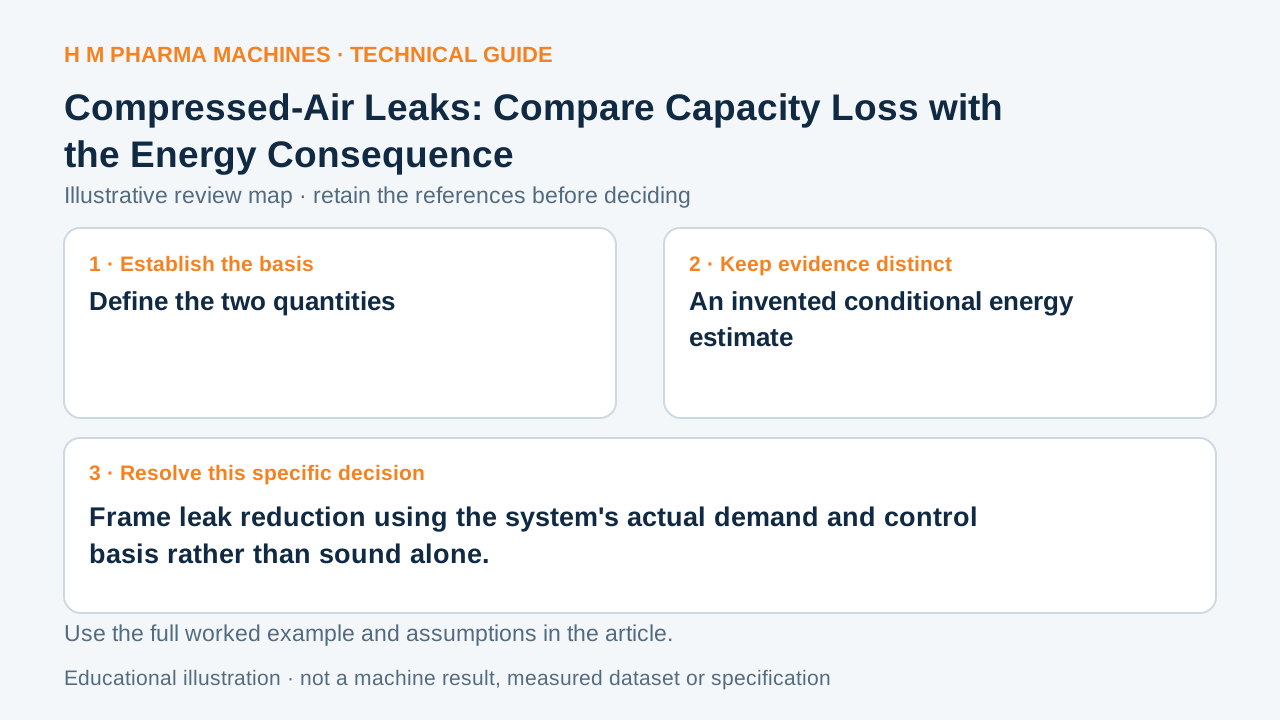
Reduced air demand and reduced electrical consumption are connected through the actual supply-system behavior.
Define the two quantities
DOE's leak-reduction tip sheet connects leaks with unnecessary demand and calls for reviewing compressor operation after repairs to obtain energy savings. Preserve that system boundary. Primary reference: DOE compressed-air leak context.
A leak-flow estimate describes an air-demand condition. An electrical saving needs the actual compressor and control response over the relevant schedule. A quieter area after repair is useful observation, but it does not measure either quantity automatically.
An invented conditional energy estimate
Assume an illustrative removed demand of 0.10 m³/min and an explicitly hypothetical marginal power response of 7 kW per(m³/min). The modeled reduction is 0.70 kW. For 1000 hours at that assumed condition, it corresponds to 700 kWh. The marginal-response assumption is essential: it is not a universal compressor efficiency or a measured saving.
Record the leak estimate's volume basis, applicable duty hours, control-response assumption and electrical evidence separately. If the actual supply continues drawing similar power while its unloaded time changes, the simple proportional teaching model may not represent the saving.
Verify the actual system consequence
Ask the compressed-air specialist how the changed demand affects the selected supply and controls. Retain before-and-after conditions so altered production demand is not silently credited to leak repair. Preserve remaining leak actions separately from the energy conclusion.
This guide provides an original conditional worksheet without copying DOE's leak-orifice table or plant example. It states no HM leak rate, cost reduction or guaranteed percentage saving. The useful result is an evidence-based distinction between reduced air load and the actual electrical consequence under the system's operating schedule.
Customer Questions
Does repaired leak flow equal measured electrical saving?
No. The compressor/control response matters.
Is 7 kW per(m³/min) a universal factor?
No. It is an invented marginal-response assumption.
Does reduced sound quantify the leak flow?
No. Preserve applicable measurement evidence.
Primary References
These references support the technical principles discussed in this guide. The worked examples and review questions are educational.
Discuss Your Machine Requirement
Share your product, container, required output and the evidence needed for your technical review.
Request a Technical Review