Build a Packaging SKU Family Matrix Before Choosing Machines
Group your product and pack portfolio into proposed machine families, keeping process routes, cleaning boundaries and unconfirmed sharing assumptions visible.
Read Full Article →
Practical guides for selecting, planning, operating and maintaining pharmaceutical manufacturing and packaging machinery.
Latest articles
Practical guides to washing, filling, capping, labeling and machine planning. Each card has a distinct Library date; actual publication and revision dates remain inside the article.
Machine guide library
Browse guides by their distinct Library date. These collection labels are separate from actual publication and revision dates shown inside each article.
Group your product and pack portfolio into proposed machine families, keeping process routes, cleaning boundaries and unconfirmed sharing assumptions visible.
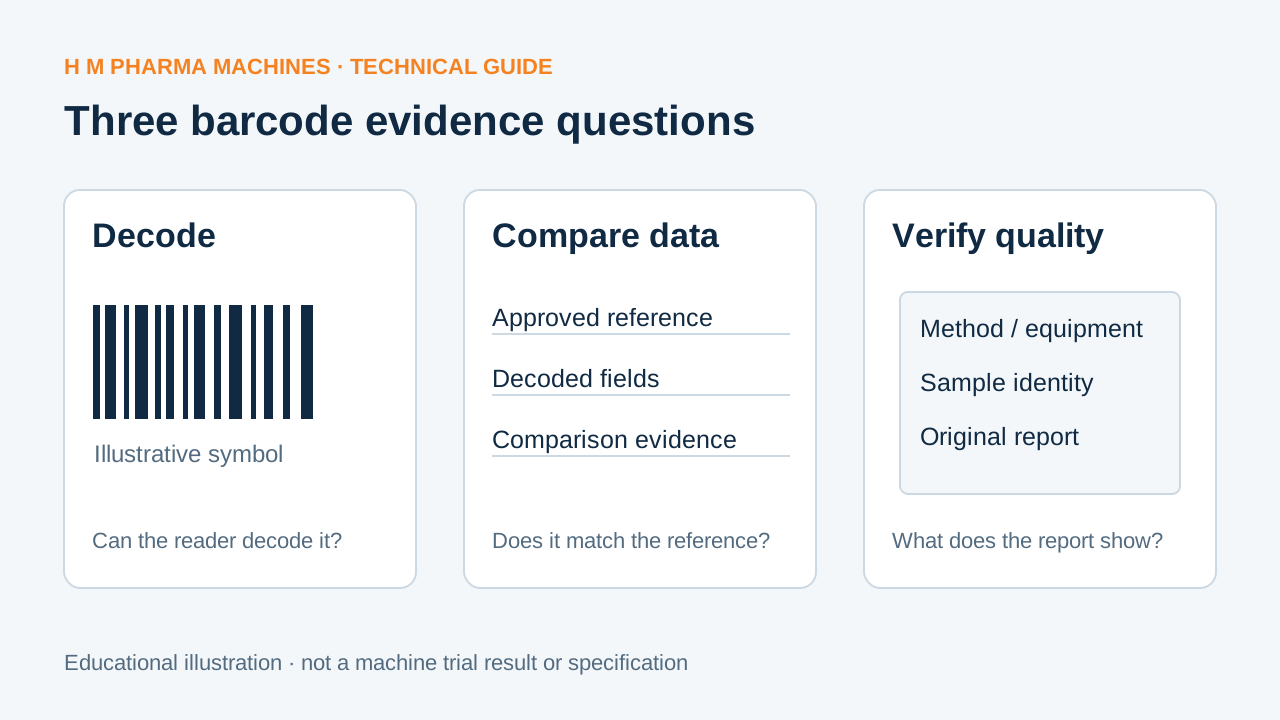
Read Full Article →Separate barcode decoding, approved data checks and symbol-quality verification before specifying a coding trial, report or inspection function.
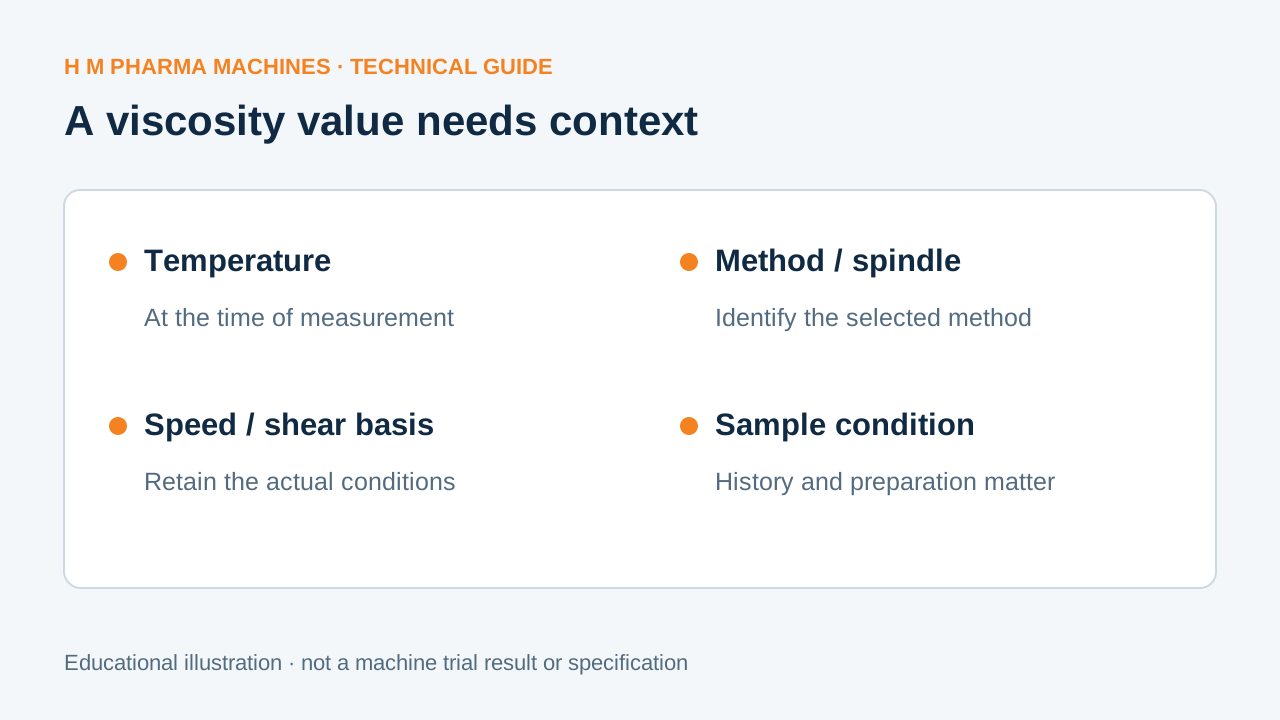
Read Full Article →Retain instrument, geometry, speed, temperature, timing and sample-history references when sharing viscosity data for a liquid-filling enquiry.
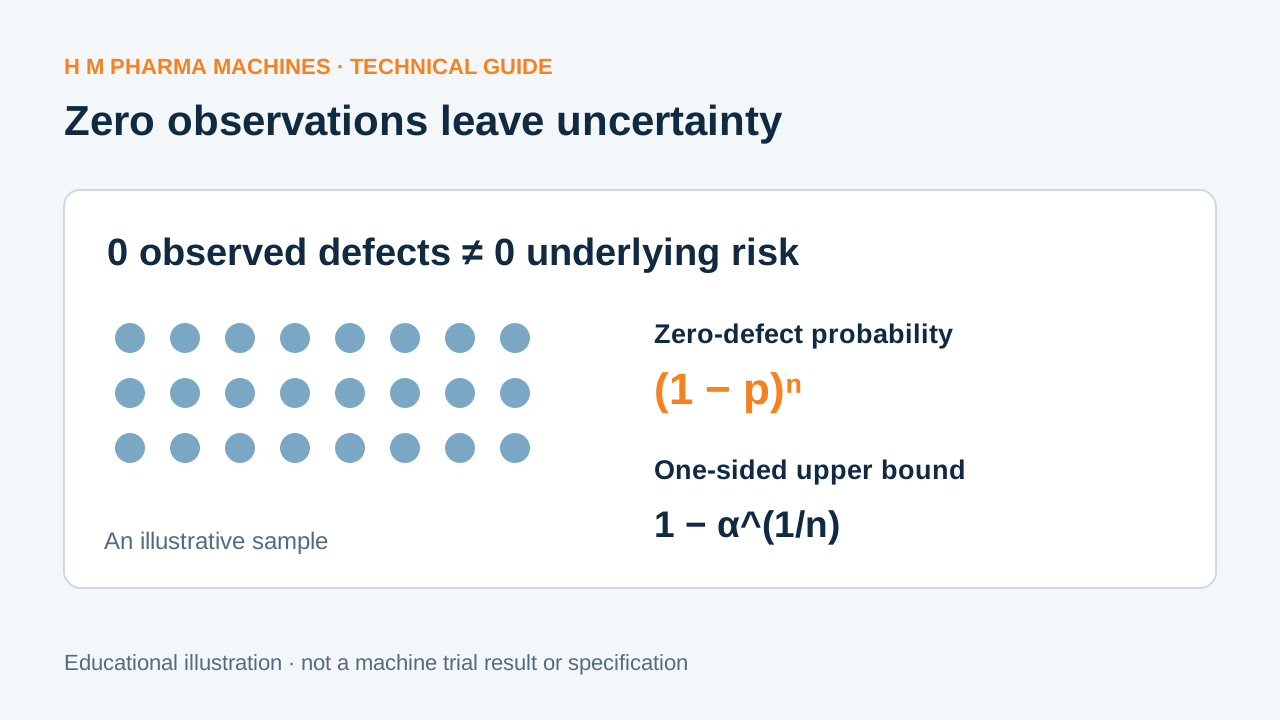
Read Full Article →Interpret zero observed defects with an explicitly defined assessment, sample and binomial model instead of claiming a defect-free production process.
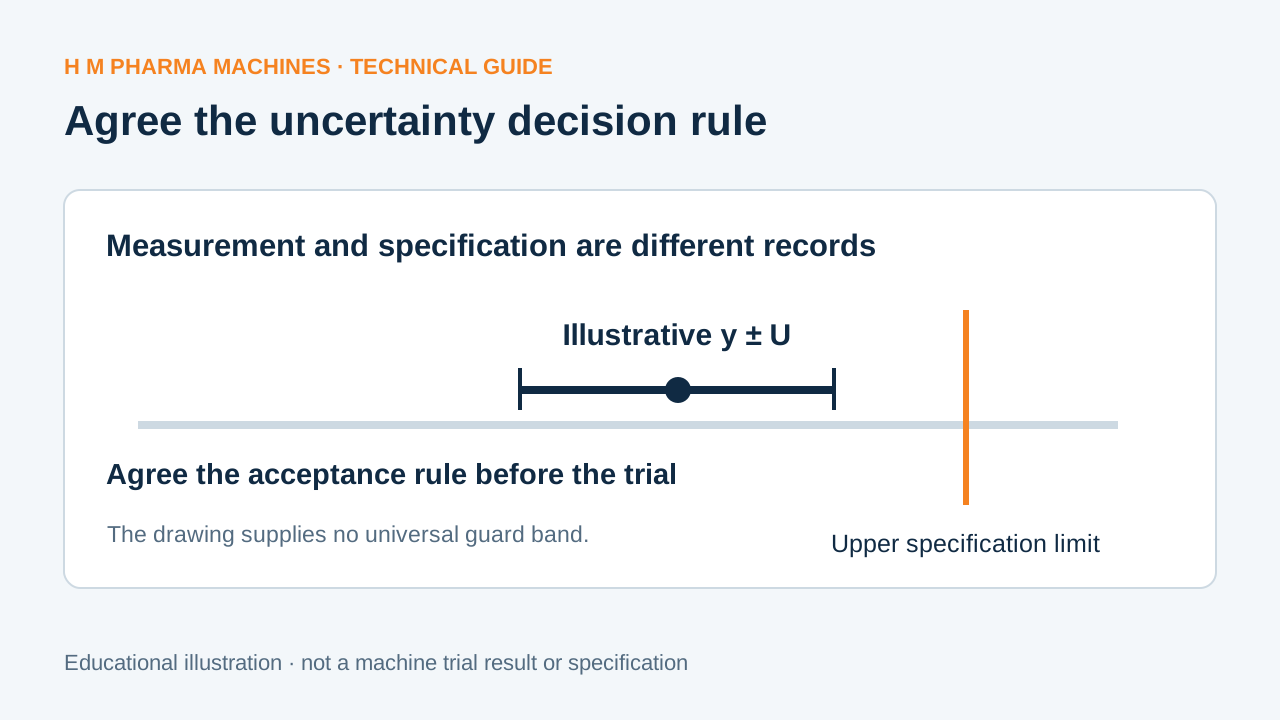
Read Full Article →Separate specification limits, measured results and acceptance rules when uncertainty matters near a machine-trial acceptance boundary.
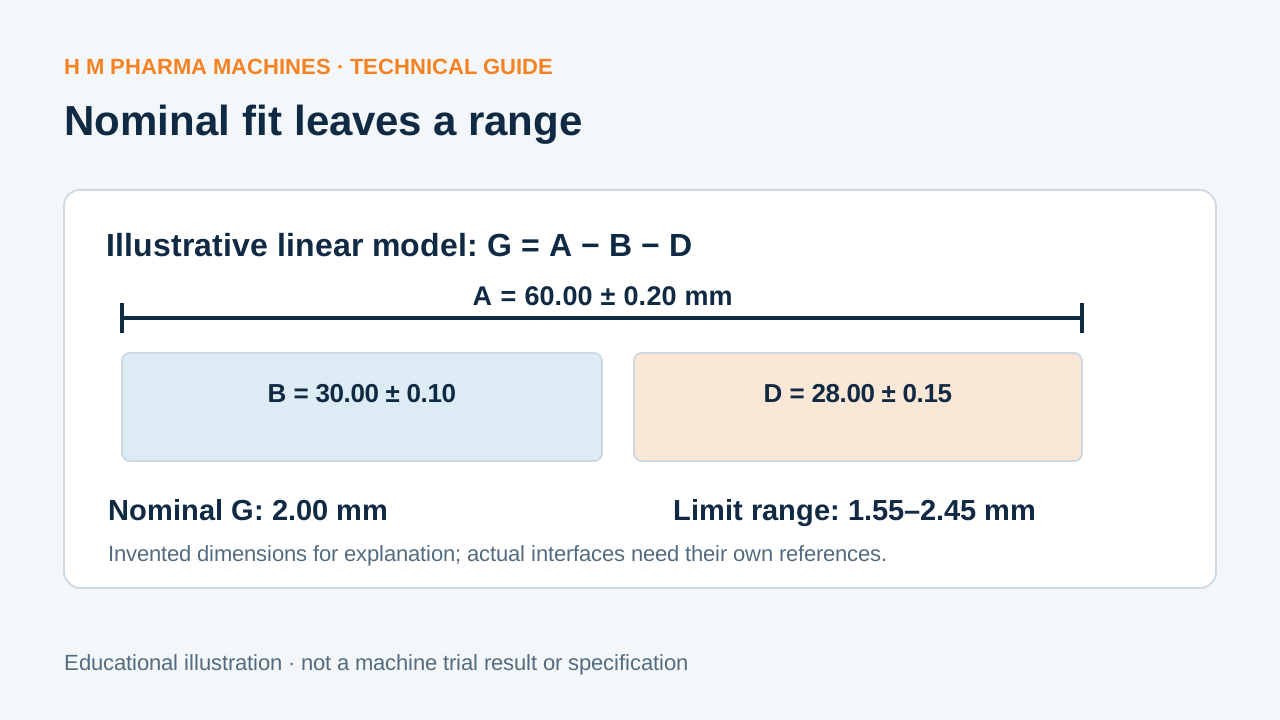
Read Full Article →Review combined dimensional limits, datum references and assembly constraints before treating nominal pack and format-part dimensions as proof of fit.
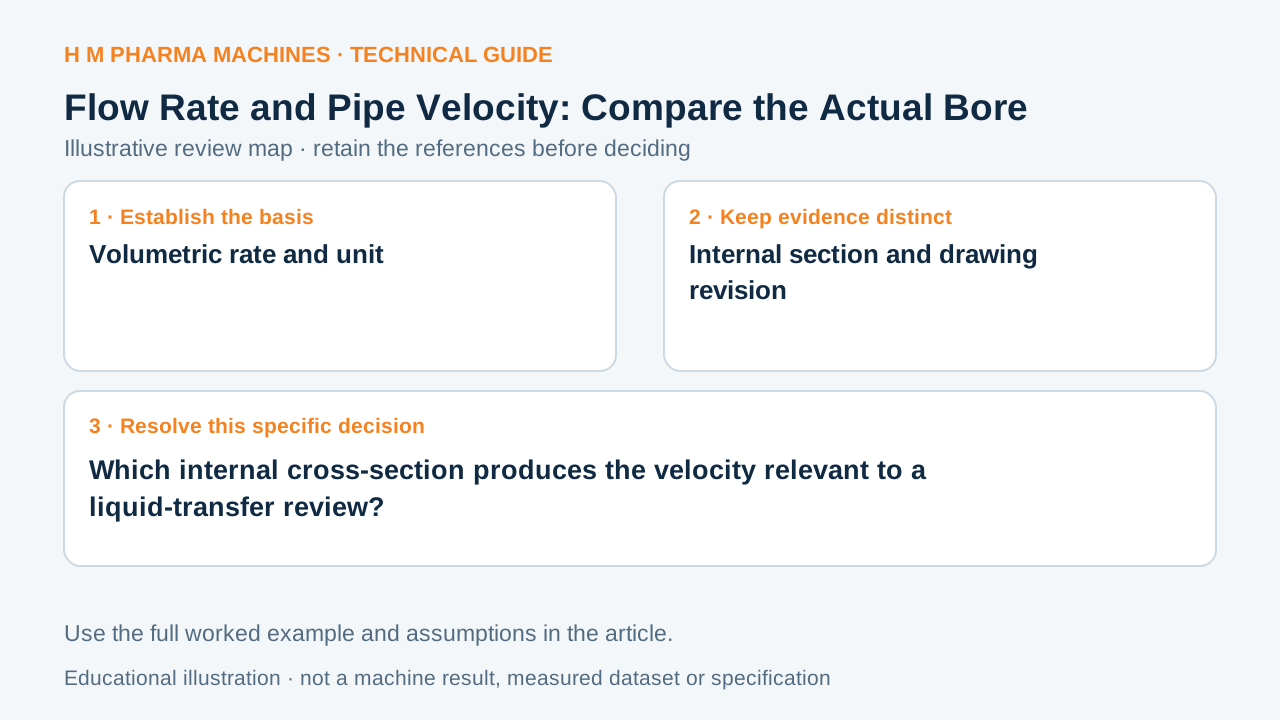
Read Full Article →A transfer quantity per minute and a liquid speed inside a pipe describe different properties. Keep the internal bore beside the flow figure.
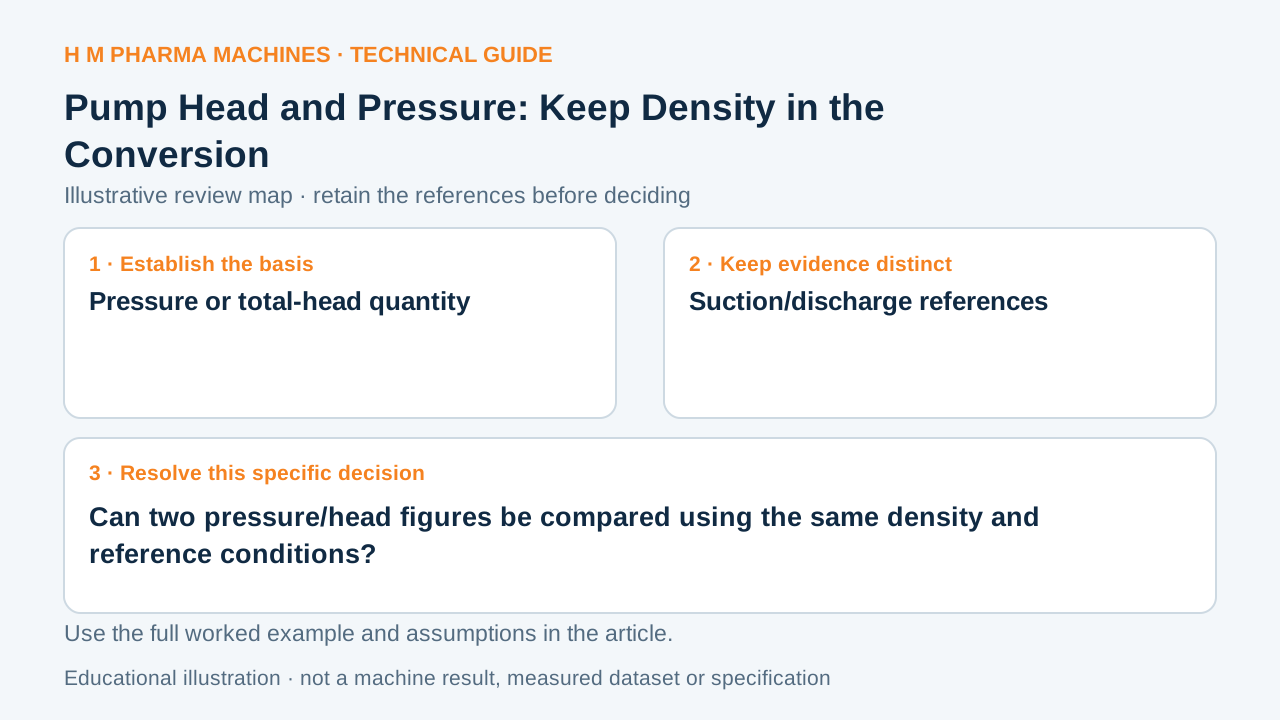
Read Full Article →Metres of pump head and units of pressure are related, but their conversion needs a density basis and a clearly defined comparison.
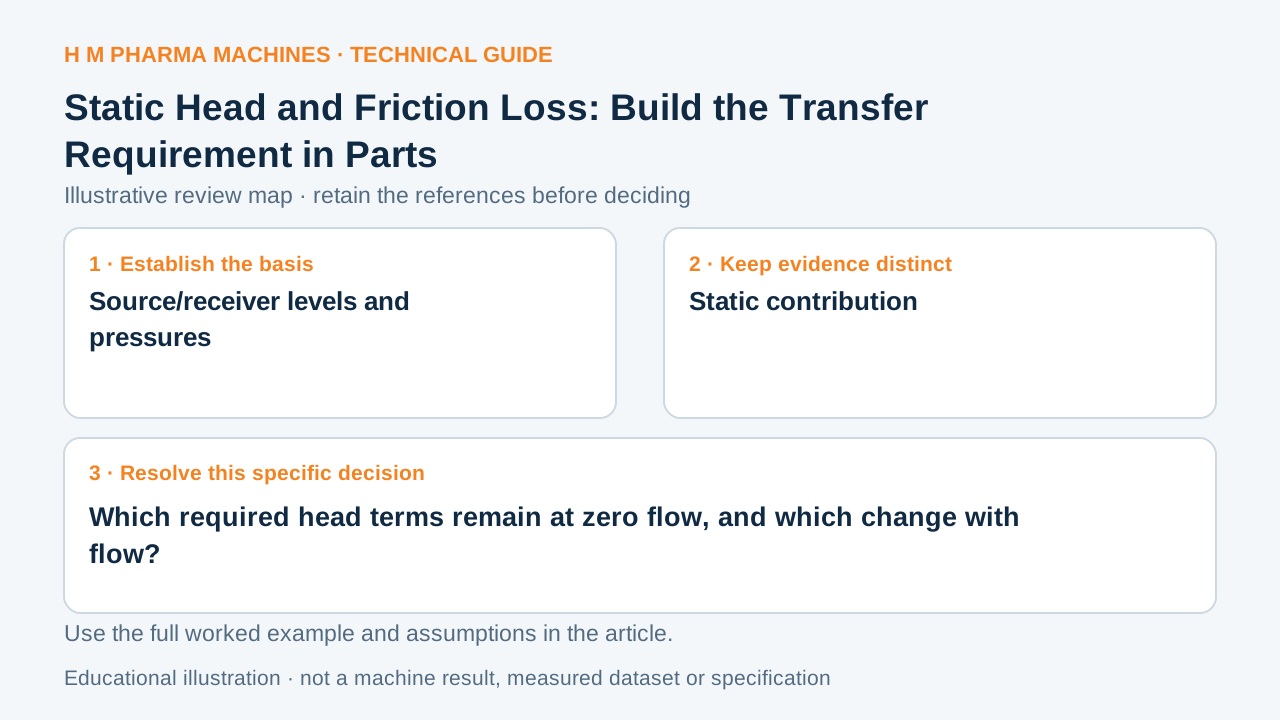
Read Full Article →Separate the flow-independent transfer requirement from losses that change as liquid moves through the selected route.
Read Full Article →A requested flow is a duty requirement. The corresponding pump operating point also depends on the system it is connected to.
Read Full Article →An inlet pressure figure and an NPSH requirement need defined references, liquid conditions and the same operating point.
Read Full Article →A maximum or shut-off head can be easy to quote, but a transfer requirement concerns head at an identified nonzero flow.
Read Full Article →Pump names do not replace an explanation of how energy reaches the liquid and what performance data the proposed duty needs.
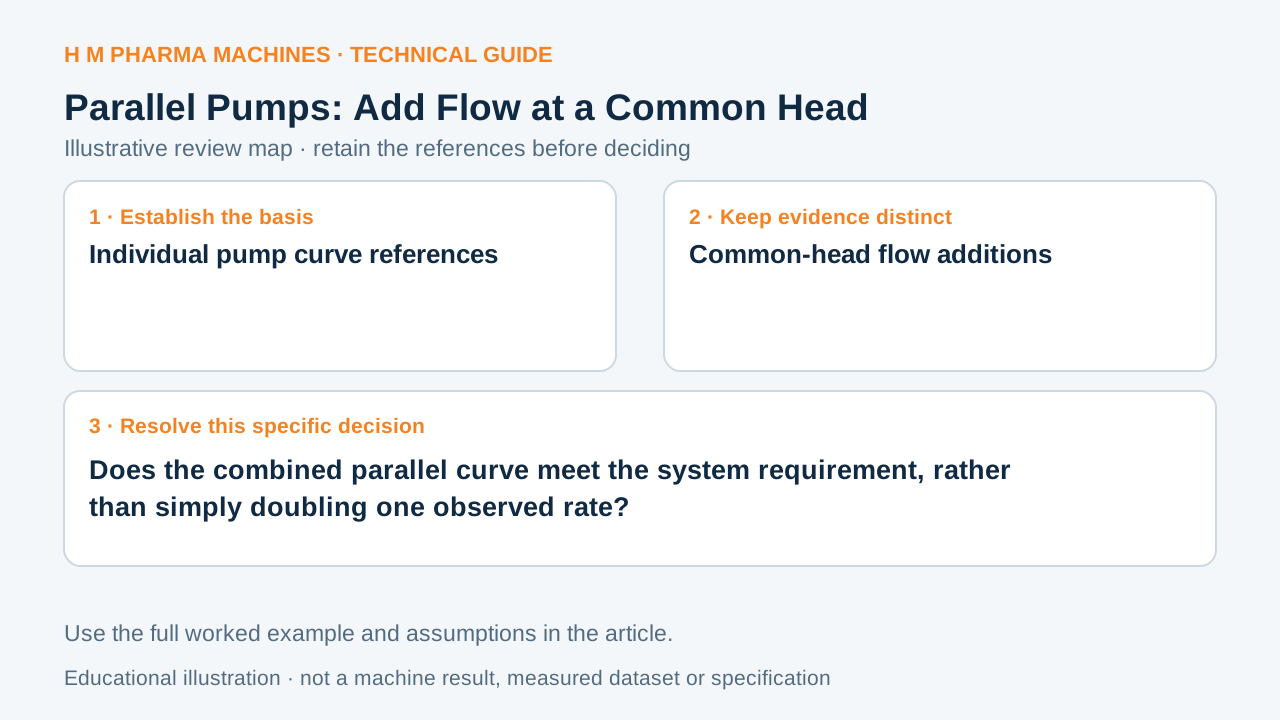
Read Full Article →Two centrifugal pumps in parallel need a common-head comparison and a combined system assessment.
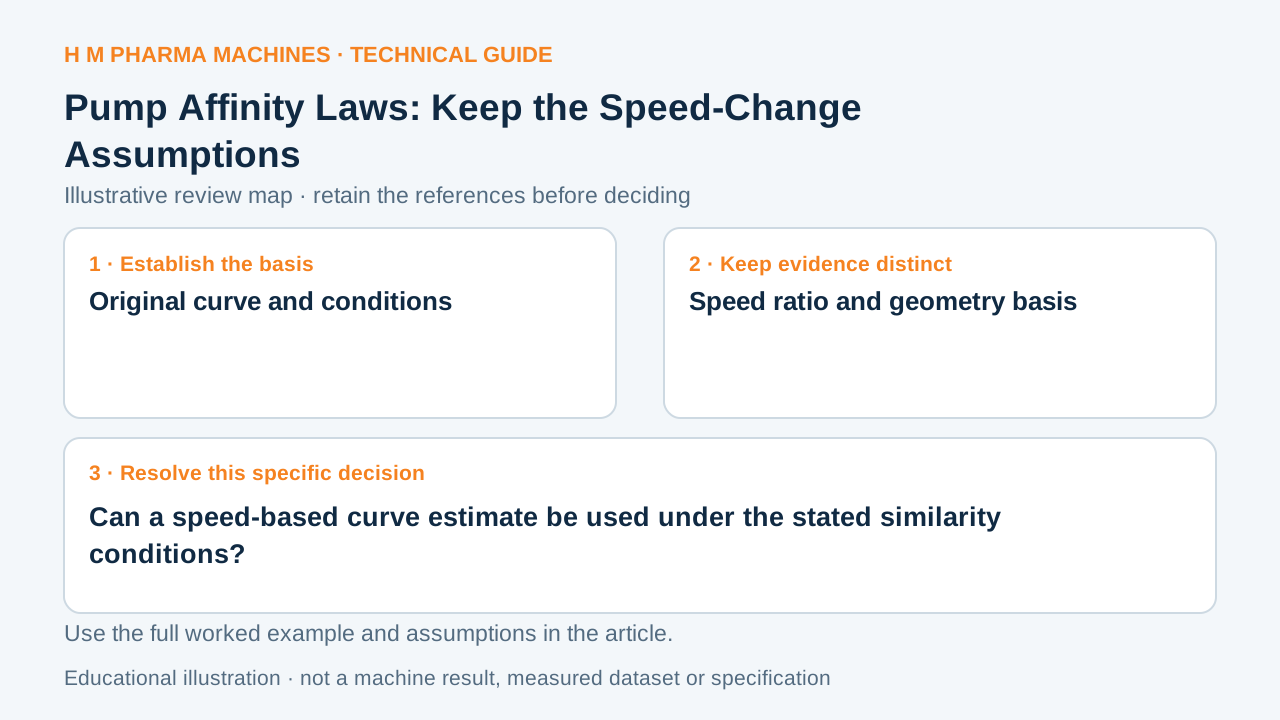
Read Full Article →Affinity relationships can help interpret a centrifugal-pump speed change, but an estimate is not a new measured operating point.
Read Full Article →A power figure is comparable only when it identifies whether it concerns the liquid, pump shaft or electrical supply.
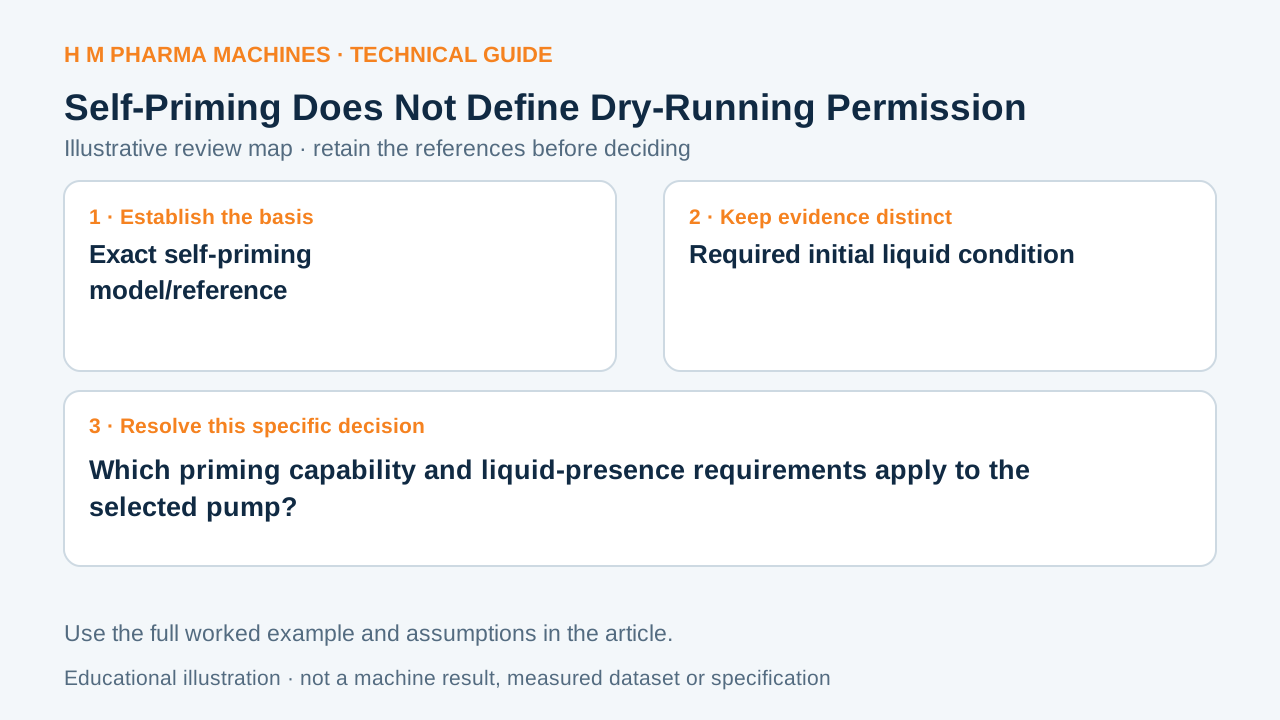
Read Full Article →A self-priming description concerns air removal and liquid pickup. It should not silently become a claim about dry-running tolerance.
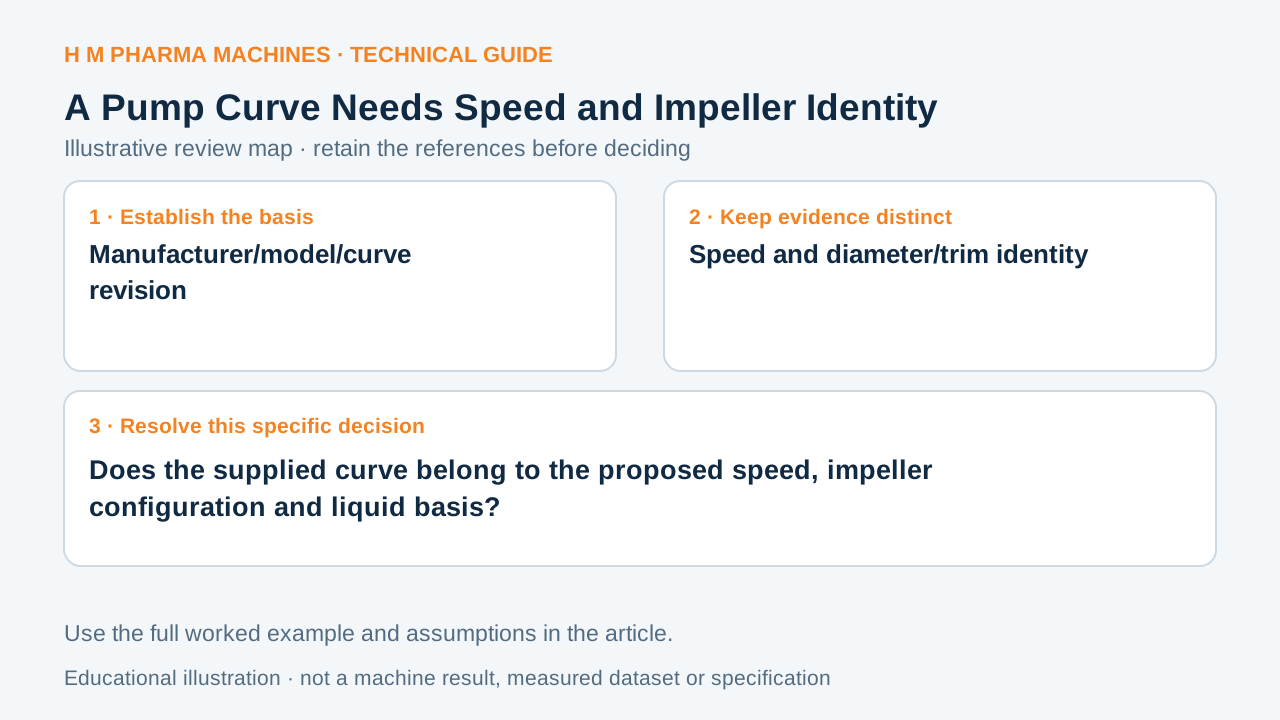
Read Full Article →Before comparing a curve with a transfer duty, identify the configuration that produced or defines it.
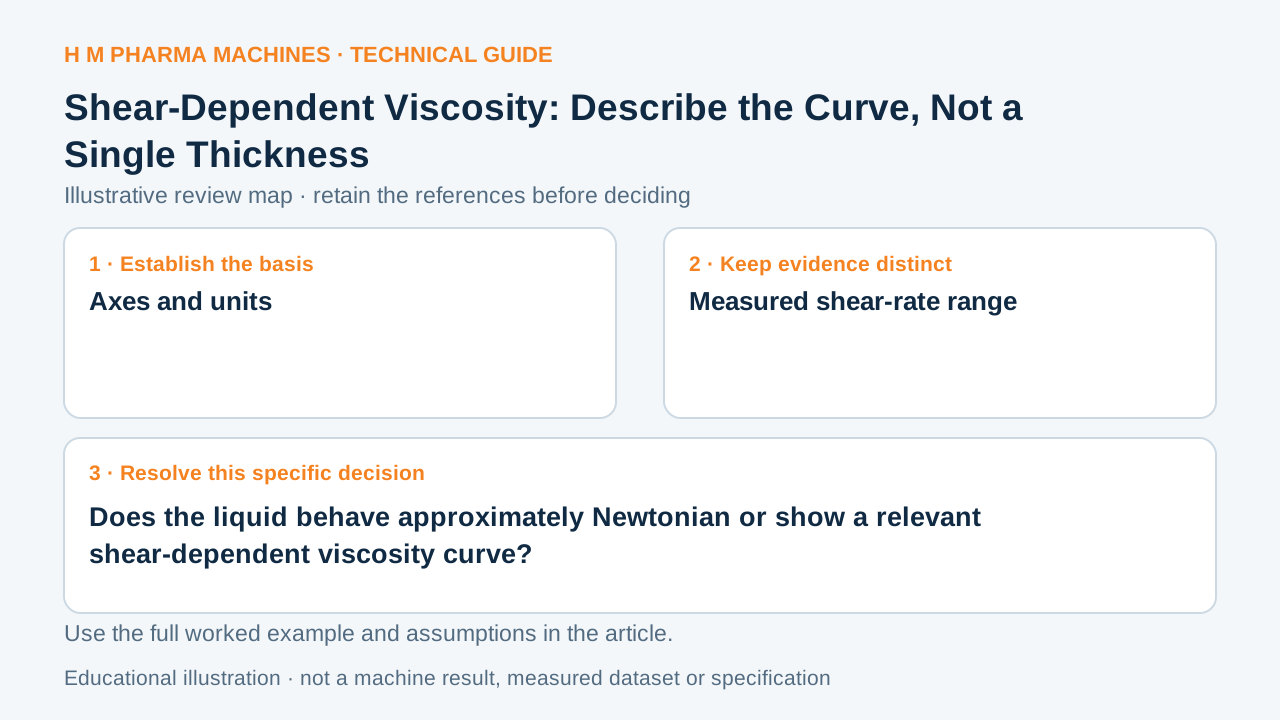
Read Full Article →A product described as thick can respond differently under different shear conditions. A curve can explain the response that one value leaves hidden.
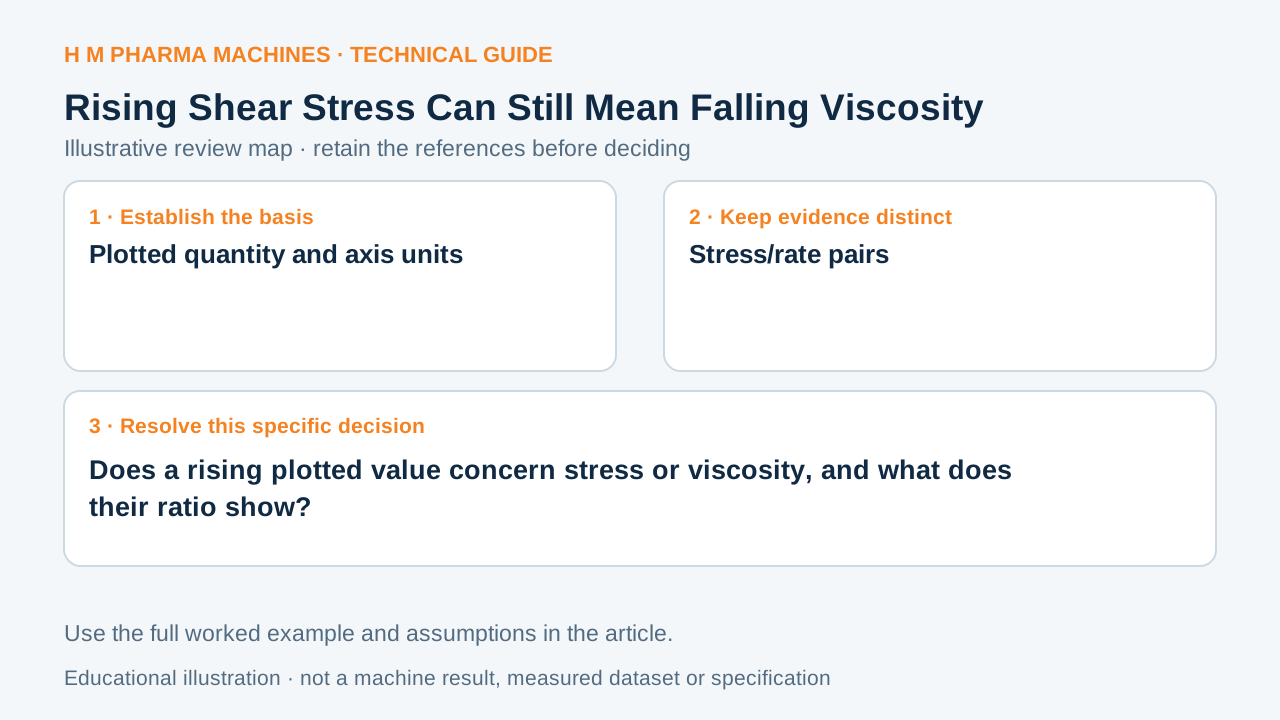
Read Full Article →A stress curve and a viscosity curve can rise or fall differently. Read the quantity on each axis before classifying the material.
Read Full Article →Prepare capacity enquiries from order mix, batch frequency and available production windows, keeping accepted-pack demand separate from machine cycle figures.
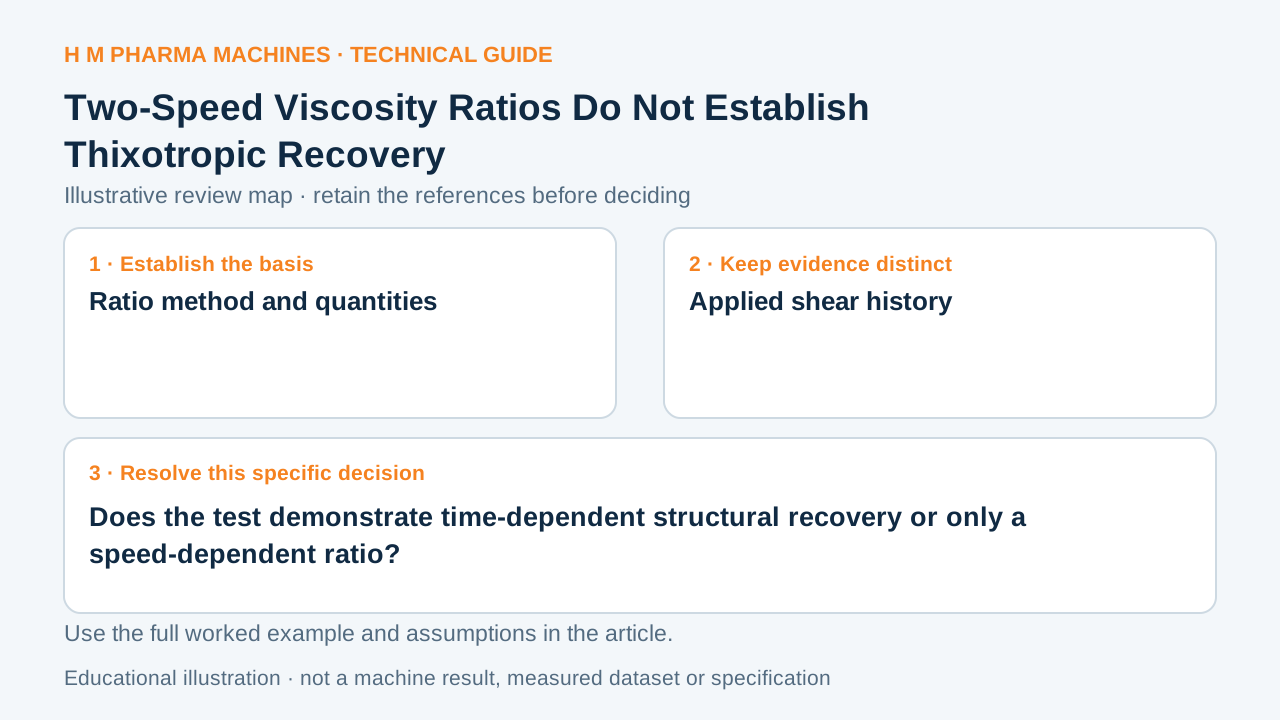
Read Full Article →A two-speed viscosity comparison and a recovery test answer different questions about a structured liquid.
Read Full Article →A value in mPa·s and a value in mm²/s represent different viscosity quantities. They cannot be exchanged without the density basis.
Read Full Article →A modulus report describes a different response from a steady-shear viscosity number. Keep its oscillatory conditions in the interpretation.
Read Full Article →Blog overview · Latest articles · Machine guide library
Application-based guidance for selecting equipment according to product, container, closure and output.
Practical considerations for connecting washing, filling, capping, labeling and conveying machinery.
Useful information for changeovers, cleaning, preventive maintenance and dependable machine performance.
Share your product, container, closure, required output and process details with our engineering team.