
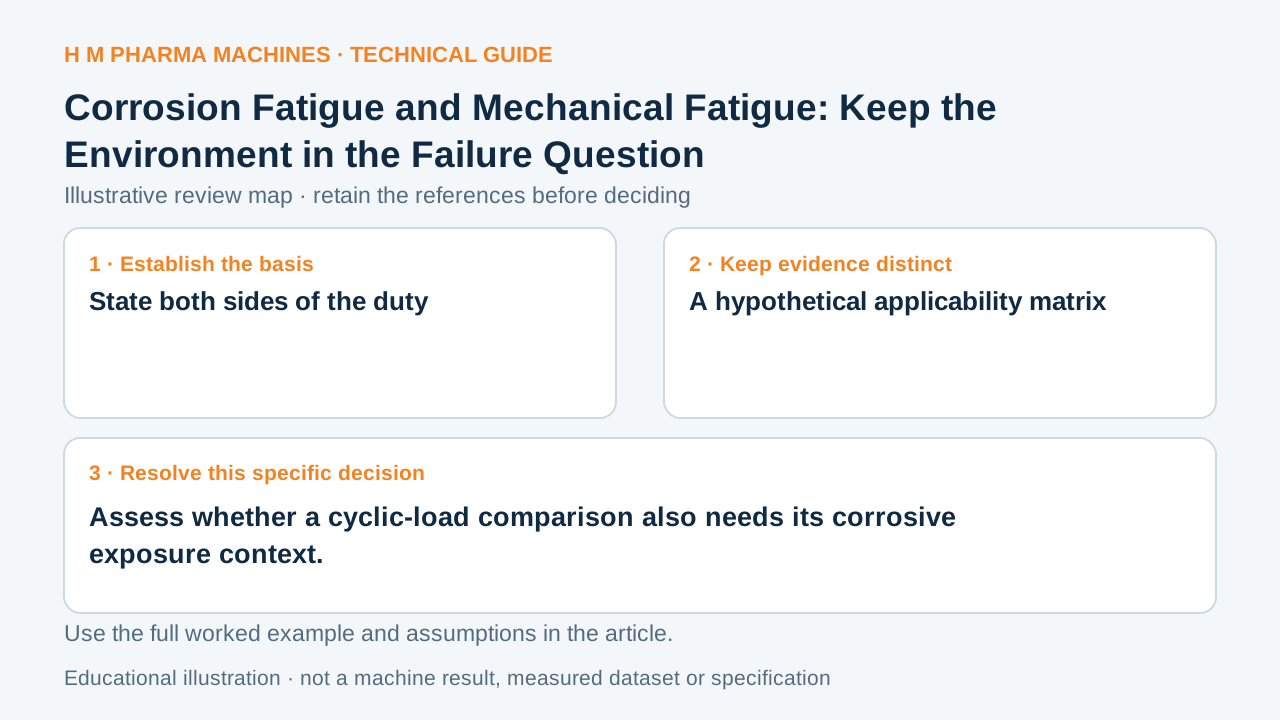
A fatigue result in one environment does not automatically describe repeated loading in another.
State both sides of the duty
Outokumpu describes corrosion fatigue as the combination of cyclic loading and a corrosive environment. Air-test fatigue behavior should not silently replace that combined duty. Primary reference: Outokumpu corrosion fatigue.
Identify the repeated load pattern and the exposure at the relevant location. A static tensile figure answers a different property question, and a cycle count without its conditions leaves an incomplete comparison. Keep geometry and material condition attached to any applicable test reference.
A hypothetical applicability matrix
Imagine a fictional supplier offering fatigue data for a dry laboratory specimen, while a proposed bracket experiences repeated movement and intermittent chemical wetting. Mark the laboratory evidence as defined dry-condition information. Add a separate row asking how the exposure influences the proposed application's assessment.
Record test environment, stress description, specimen condition, application environment and the responsible applicability judgment. Do not convert a laboratory cycle count into a guaranteed machine life. These are invented review conditions, not an HM installation or a reported failure history.
Keep changes visible in the conclusion
A later cleaning-fluid or wetting change can alter the environment even when the component and motion remain unchanged. Preserve that change in the duty record instead of retaining an earlier fatigue conclusion without review.
Ask whether the final evidence actually represents the relevant combined loading and exposure, or which limitations remain. This guide does not rank stainless grades, prescribe a replacement interval or calculate fatigue life. It gives a buyer a concrete way to identify an omitted environmental condition before accepting a repeated-load statement as applicable to the intended machine duty.
Customer Questions
Does a dry fatigue test represent every wet duty?
No. Its environmental applicability must be assessed.
Can a fluid change matter without a load change?
Yes. The combined exposure condition can change.
Is tensile strength a complete fatigue result?
No. Static strength and repeated-load evidence differ.
Primary References
These references support the technical principles discussed in this guide. The worked examples and review questions are educational.
Discuss Your Machine Requirement
Share your product, container, required output and the evidence needed for your technical review.
Request a Technical Review