
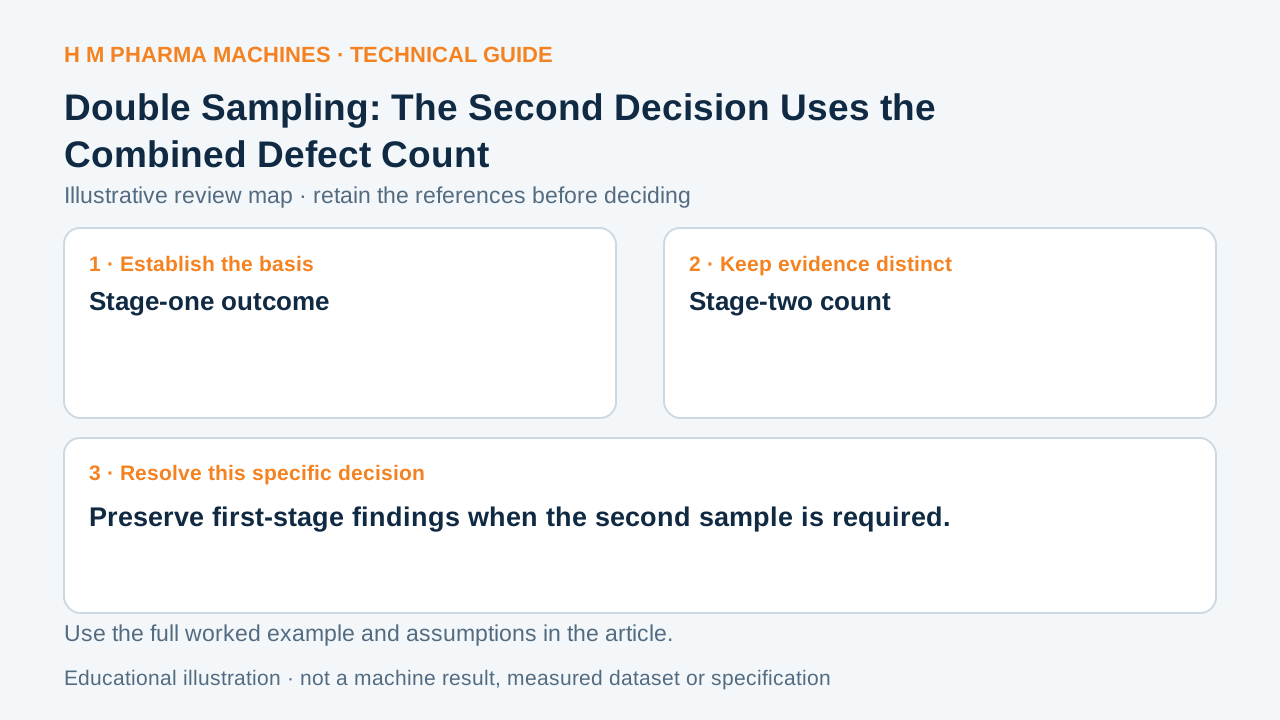
When a double-sampling plan calls for another sample, the final tally retains the first-stage findings. A second inspection does not restart the count.
The statistical question
A double-sampling plan can accept, reject or continue after the first sample. If continuation is required, the final stage uses the combined number of nonconforming items found in both samples and the second-stage boundary. The first-stage acceptance and rejection rules are separate from the final cumulative rule. All stage quantities and boundaries must be identified.
An illustrative review example
For an invented counting exercise, take 40 items in stage one and find two nonconforming items. Suppose the agreed fictional stage-one rule sends that result to another 40-item sample. If the second sample contains one nonconforming item, the cumulative count is three among 80 inspected items. Comparing only the new count of one against a final cumulative boundary would discard evidence. This example does not prescribe any real acceptance plan.
Prepare the evidence for discussion
Design the worksheet with stage sample quantity, stage finding count, cumulative inspected quantity and cumulative nonconforming count. Keep the plan version visible and record which decision required continuation. If samples are collected from different lots, stop treating them as a single-lot two-stage record without a revised basis. The component buyer and responsible quality team should settle this before a trial report is signed.
A second sample preserves the first tally
This blank worksheet is for your own project. It contains no H M machine trial result.
| Question to resolve | Evidence to retain |
|---|---|
| Stage-one outcome | Accept, reject or continue |
| Stage-two count | New findings only |
| Combined count | First plus second findings |
| Final boundary | Approved cumulative rule |
Customer Questions
Does stage two erase stage one?
No. The final comparison retains findings from both samples when the plan uses cumulative counts.
Must every lot receive two samples?
The first-stage rule may decide acceptance or rejection without requiring continuation.
What prevents the common tally error?
Separate stage-only counts from cumulative counts and identify the boundary applicable to each.
Primary References
These references support the technical principles discussed in this guide. The worked examples and review questions are educational.
Discuss Your Machine Requirement
Share your product, container, required output and the evidence needed for your technical review.
Request a Technical Review