
Comparing particular settings and estimating variability across a wider population of batches require different inference scopes, even with similar-looking tables.
The statistical question
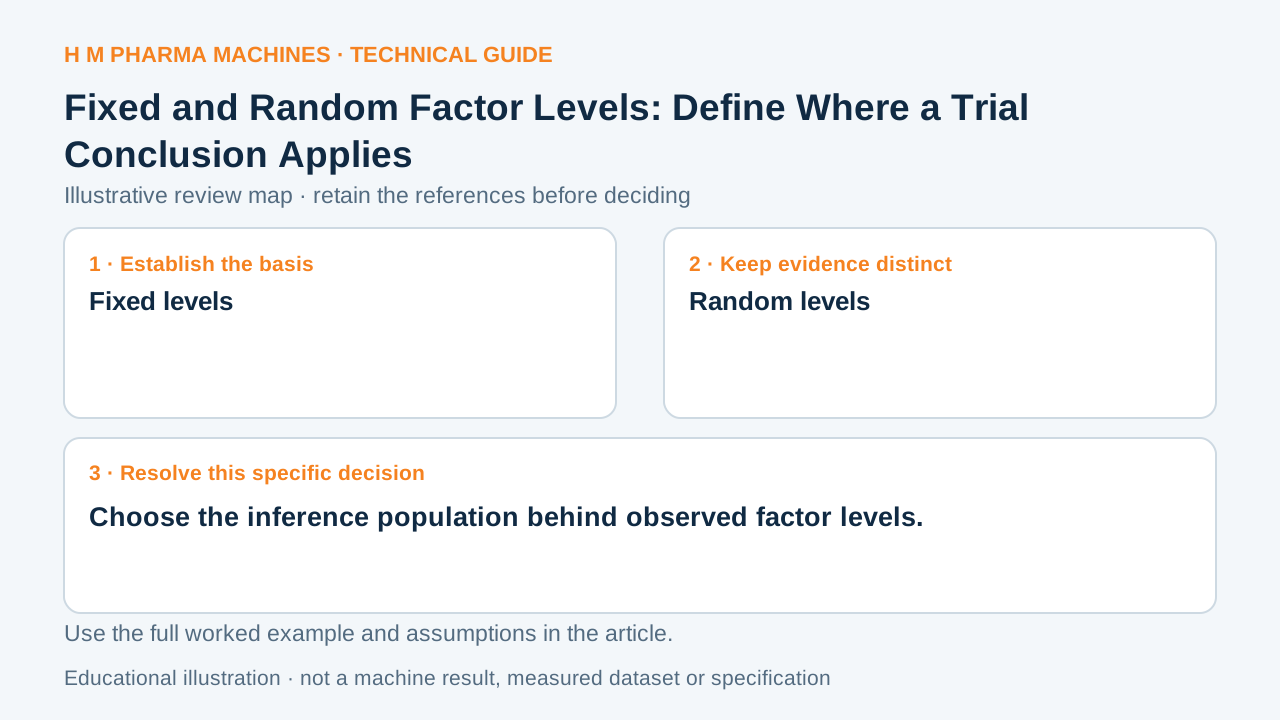
Fixed factor levels define the particular levels of interest. Random factor levels represent a wider population under the stated selection and model assumptions. Random-effects models can estimate contributions to variability as variance components. Calling a level random is an inference choice supported by the design; merely shuffling the order of fixed trial settings does not convert them into a random-effects population.
An illustrative review example
In one fictional study, three named nozzle configurations are the entire set the buyer wishes to compare. In another, five component batches are sampled to represent a broader batch population. Both files might contain five readings per level, but their conclusions have different intended reach. The selected nozzle names remain the target in the first case; the second seeks information about batch-to-batch variability beyond the specific batches observed.
Prepare the evidence for discussion
Before collection, write the target population and how levels enter the study. Keep physical-run randomization separate from the fixed-or-random factor classification. Ask the analyst which variance components can be estimated and what uncertainty their estimates carry. In a supplier discussion, avoid extending results from convenience-selected batches to all future material without evidence for that wider interpretation. The sampling record should support the claimed scope.
Define the population behind the levels
This blank worksheet is for your own project. It contains no H M machine trial result.
| Question to resolve | Evidence to retain |
|---|---|
| Fixed levels | Specific configurations of interest |
| Random levels | Defined represented population |
| Selection | How levels entered the study |
| Conclusion | Applicable scope and uncertainty |
Customer Questions
Is a randomized run order a random-effects factor?
Run order and the intended population represented by factor levels are separate design choices.
What is a variance component?
It is a model-based contribution of a source to overall variability, expressed on a variance scale.
Can selected batch names automatically represent all future batches?
That wider inference needs the appropriate selection design and model assumptions.
Primary References
These references support the technical principles discussed in this guide. The worked examples and review questions are educational.
Discuss Your Machine Requirement
Share your product, container, required output and the evidence needed for your technical review.
Request a Technical Review