
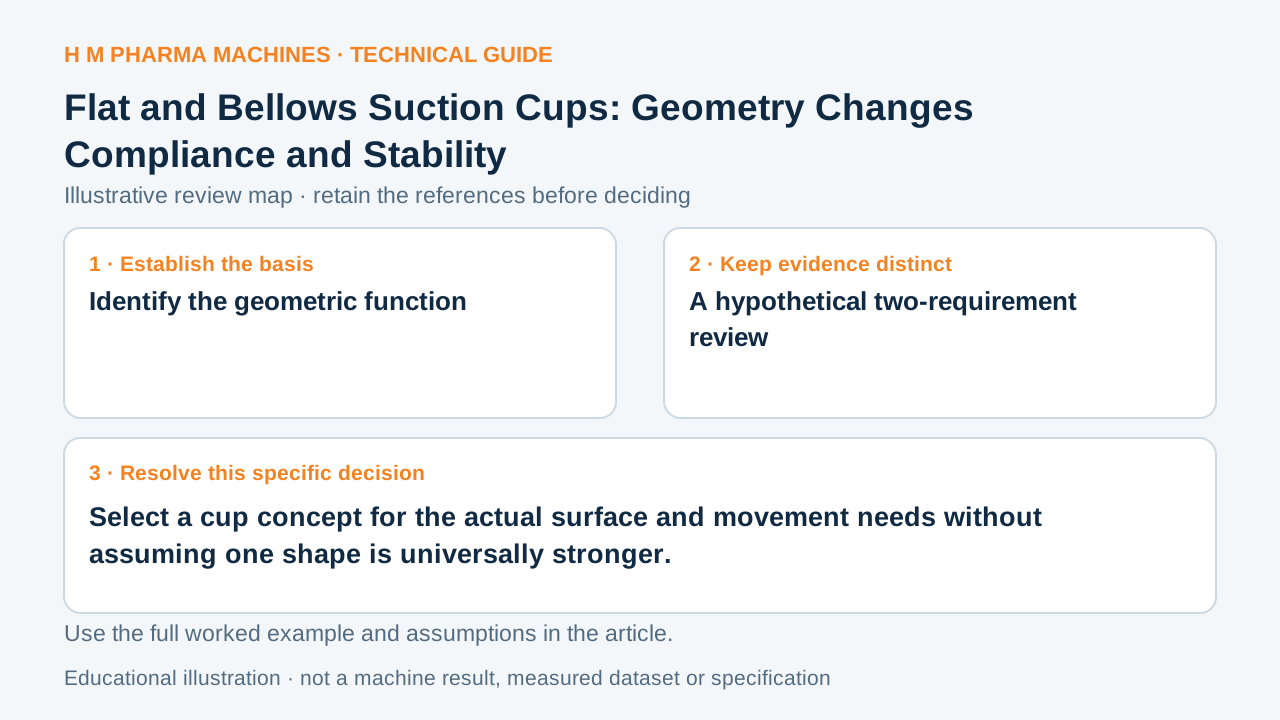
Compliance and stability are separate selection questions, not one universal cup ranking.
Identify the geometric function
Schmalz distinguishes the stability of flat cups from bellows geometry's ability to accommodate height differences. Keep the actual cup construction and duty. Primary reference: Schmalz suction-cup shapes.
A shape name does not provide every model's permitted displacement, contact behavior or dynamic capacity. Write the actual surface and movement requirements first, then obtain the relevant component evidence. The question is which design serves the defined task, not which illustration looks more flexible.
A hypothetical two-requirement review
Imagine one task needs accommodation of documented workpiece-height variation, while another needs a defined positional relationship during lateral movement. Put those requirements into different worksheet rows. A cup can address one property while leaving the other unresolved; equal nominal diameter does not settle either.
Record cup identity, contact surface, required accommodation, movement direction and supporting test or rating conditions. Keep actual observations separate from proposed benefits. This scenario gives no HM cup selection, allowable height mismatch or payload rating.
Review the complete contact arrangement
Ask the supplier how the actual cup and connection arrangement meets the intended surface and motion requirements. Material, effective area and grip retention remain relevant separate questions. A bellows label should not silently imply that every uneven surface will seal under every condition.
When packaging or movement changes, preserve the revised task with the cup assessment. This guide gives a buyer a functional comparison without promising one geometry is universally stronger, duplicating an elastomer compatibility table or converting a generic compliance description into a certified handling result for the installed system.
Customer Questions
Does equal diameter establish equal compliance?
No. Compare the actual construction and evidence.
Is flexibility automatically the best answer to every motion duty?
No. Retain the task's distinct requirements.
Does a bellows name guarantee sealing every uneven surface?
No. Assess the actual contact conditions.
Primary References
These references support the technical principles discussed in this guide. The worked examples and review questions are educational.
Discuss Your Machine Requirement
Share your product, container, required output and the evidence needed for your technical review.
Request a Technical Review