
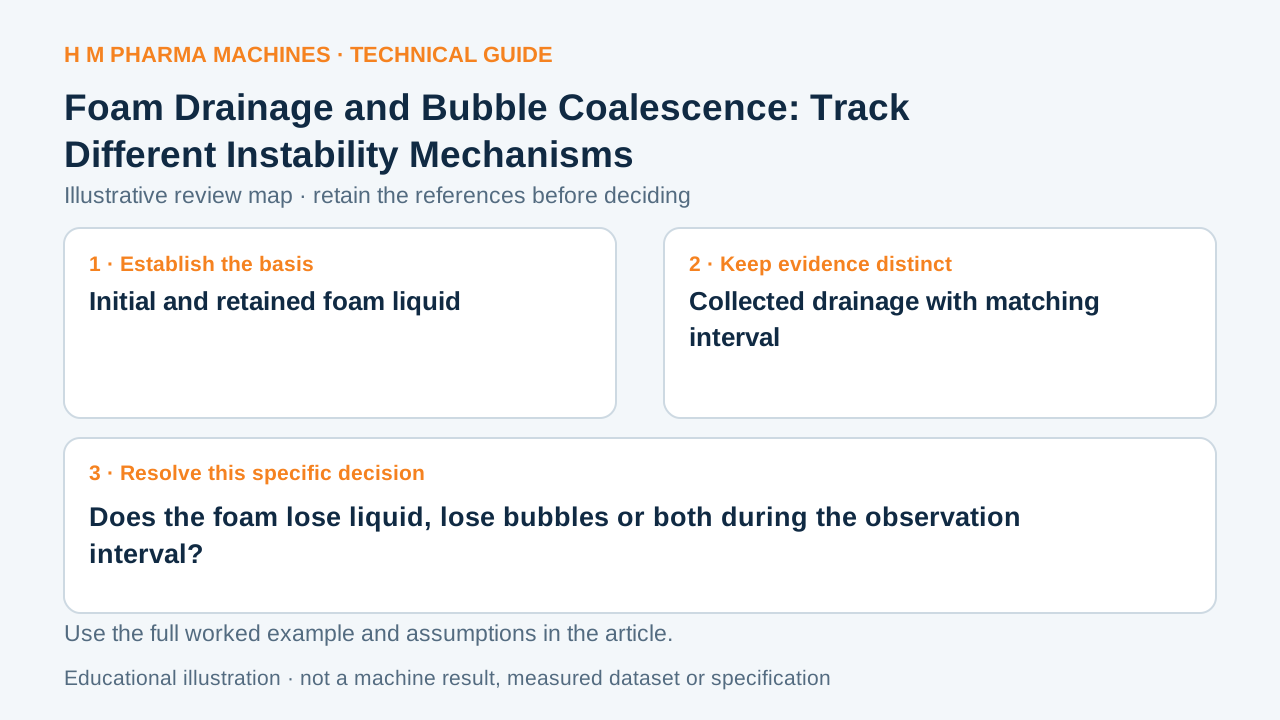
A foam can lose liquid without losing the same proportion of gas bubbles, so keep the instability observations separate.
Define the Interface or Transport Basis
KRÜSS AR299, background on foam stability distinguishes gravity-driven liquid drainage, bubble coalescence and gas-transfer disproportionation. Drainage changes liquid retained in the foam; coalescence merges bubbles. A foam-height trace alone can combine several changes.
Review a Hypothetical Comparison
In an invented observation interval, foam initially contains 20 mL of liquid and later contains 12 mL, with collected drainage accounting for the 8 mL difference. Liquid retained has decreased by 40%. Separately, a resolved image shows two bubbles joining into one. The first record measures a liquid-volume change; the second identifies a merger event. Neither makes the drained fraction equal to the fraction of bubbles that merged.
Keep the Evidence with the Decision
Keep drainage collection or another liquid-content measurement alongside bubble-structure observations. Preserve the time origin, initial liquid content and foam-generation method. When the mean bubble size rises, inspect whether mergers were resolved or whether gas transfer between bubbles could contribute. Note gas escape and changes in the observation window before assigning a cause to declining foam height.
This comparison supports mechanism-specific investigation, not a foam-control additive dosage. It also does not infer a universal stability ranking from one drainage percentage or one image.
Does the foam lose liquid, lose bubbles or both during the observation interval?
This blank worksheet is for your own project. It contains no H M machine trial result.
| Review field | Reference or result | Responsible person |
|---|---|---|
| Initial and retained foam liquid | To complete | To complete |
| Collected drainage with matching interval | To complete | To complete |
| Bubble merger or growth observations | To complete | To complete |
| Gas loss, window changes and generation history | To complete | To complete |
Customer Questions
Does drainage mean that bubbles necessarily merged?
No. Liquid can leave films and channels while a bubble population still remains.
Does bubble growth uniquely identify coalescence?
No. Gas transfer between bubbles can also change their size.
Why preserve the foam-generation method?
The starting structure and time history affect the comparison being made.
Primary References
These references support the technical principles discussed in this guide. The worked examples and review questions are educational.
Discuss Your Machine Requirement
Share your product, container, required output and the evidence needed for your technical review.
Request a Technical Review