
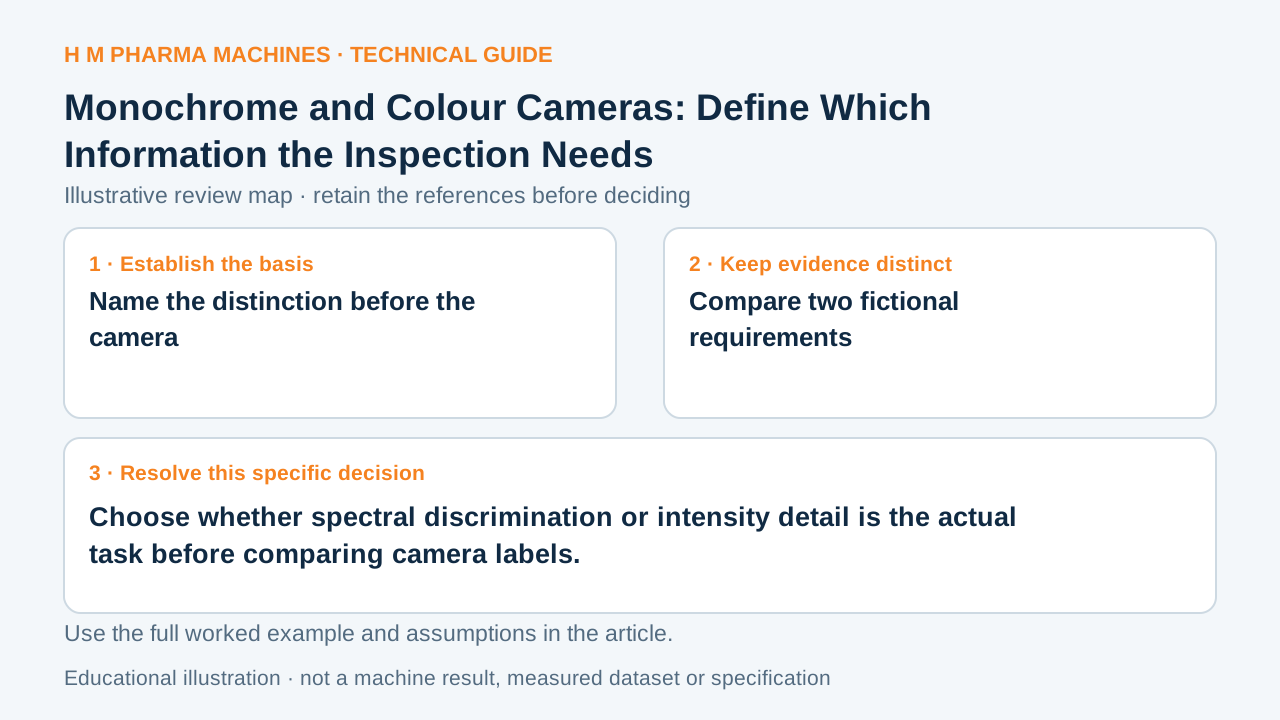
A camera's colour label is a means of obtaining information, not the inspection requirement itself. Start with the distinction that the image must support.
Name the distinction before the camera
An intensity image does not independently identify a surface's colour. Its observed value depends on the light, the surface response and the sensor's spectral response. Optical filtering can change contrast by selecting wavelengths, so camera type alone does not define which distinctions become visible. Primary reference: Edmund Optics: machine-vision filters and spectral contrast.
For a packaging question, distinguish identifying the presence of a printed boundary from distinguishing two specified colours. The former may rely on intensity contrast under a defined illumination; the latter requires evidence that the relevant spectral difference survives the complete acquisition and processing path.
Compare two fictional requirements
Imagine task A asks whether a dark rectangle is present on a pale label. Task B asks whether an equally shaped patch is the approved colour rather than a different colour. Even if one monochrome image makes both patches look equally grey, that observation can still support a boundary question while leaving the colour identity unresolved.
Changing illumination or adding a selected filter could produce a different intensity separation, but its usefulness requires task-specific evidence. This scenario uses no manufacturer sample colours, measured contrast or promised classification result. It explains why the two requirements should not share an automatic camera recommendation.
Ask for the information the decision uses
Document the expected surface variations and state whether the decision depends on geometry, intensity or spectral discrimination. Request original images under the proposed illumination with the relevant processing recorded. Examine cases that could be confused, rather than supplying only an obvious good sample.
If a colour camera is proposed, identify how the decision uses its channels. If a monochrome route with filtering is proposed, identify the wavelengths and actual comparison evidence. Choose between the offered approaches only after their observations address the stated distinction; a colourful preview or a sharper-looking grey image is not that conclusion by itself.
Customer Questions
Does monochrome intensity uniquely identify colour?
No. Different spectral responses can produce similar intensity values.
Can filtering change an intensity comparison?
Yes, but the actual illumination and task need their own evidence.
What is the first review question?
Name the physical distinction that the image must support.
Primary References
These references support the technical principles discussed in this guide. The worked examples and review questions are educational.
Discuss Your Machine Requirement
Share your product, container, required output and the evidence needed for your technical review.
Request a Technical Review