
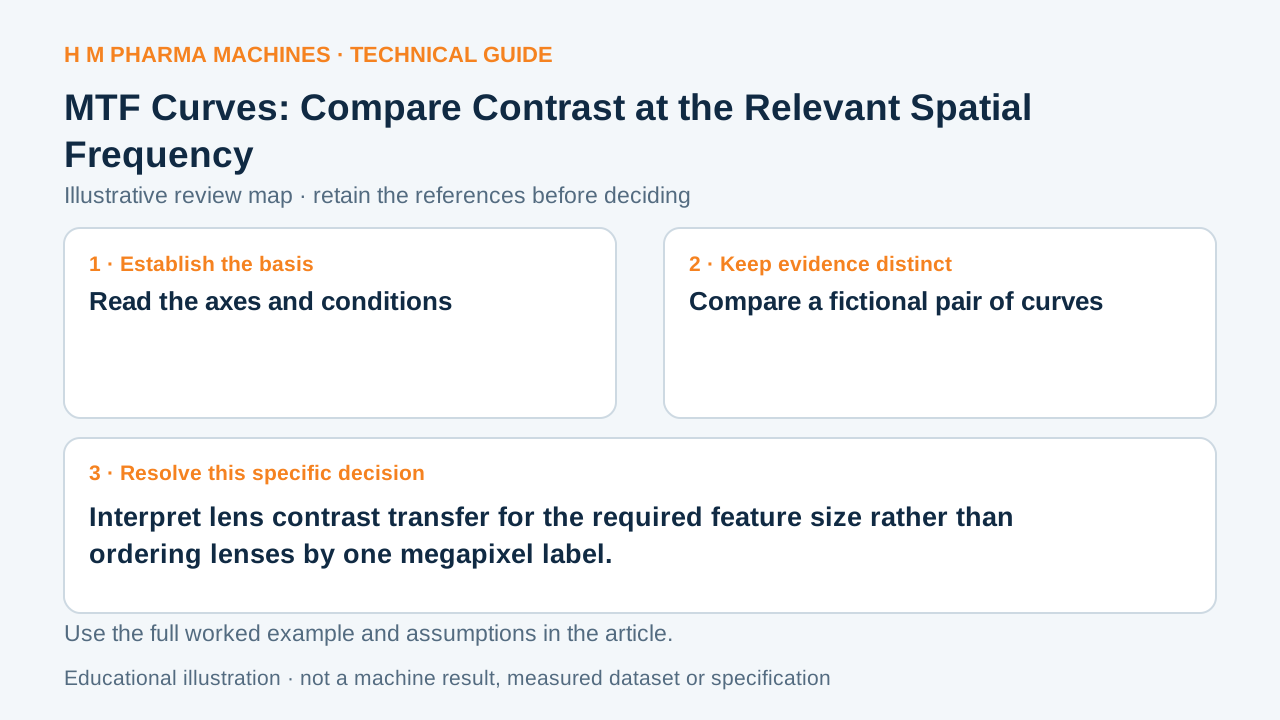
A lens performance curve has several coordinates. Comparing only the highest number on it can overlook the detail and image location that the inspection actually needs.
Read the axes and conditions
MTF describes contrast transfer as spatial frequency changes. Its curve belongs to specified optical conditions and field positions. The required feature therefore has to be connected to the relevant portion of the curve. Primary reference: Edmund Optics: lens performance curves.
Start by identifying whether a quoted spatial frequency is in object space or image space. Retain the working distance, aperture and wavelength basis supplied with the plot. A lens advertised for a sensor's pixel count does not answer how much contrast remains at a particular required pattern.
Compare a fictional pair of curves
Imagine Lens A's supplied curve shows 0.60 contrast transfer at one relevant frequency on axis but 0.25 near the required edge position. Lens B shows 0.45 and 0.40 at those same positions and conditions. Choosing A solely from its central value hides the part of the comparison that matters to an edge-located feature.
The values are invented for interpretation, not copied product curves or an acceptance threshold. The actual algorithm and target contrast must be assessed by the reviewer. The example also assumes the two plots use comparable frequency definitions and acquisition conditions.
Ask for a task-linked interpretation
Annotate the feature size and its permitted image positions, then ask how the supplied lens evidence relates to that task. If the feature can move across the field, retain the relevant field curves rather than a selected central result. Confirm what remains to be demonstrated on the actual system.
Keep the source plot and its conditions with the comparison. A later aperture or working-distance change can make an earlier curve reference inappropriate. The useful purchase record identifies the relevant evidence region and its limits without translating a catalog curve into a promise of zero missed defects.
Customer Questions
Does a high central MTF value settle an edge task?
No. Review the relevant field position and feature frequency.
Are the example values lens specifications?
No. They are fictional values for reading a comparison.
What should accompany an MTF comparison?
The frequency definition, optical conditions and required task positions.
Primary References
These references support the technical principles discussed in this guide. The worked examples and review questions are educational.
Discuss Your Machine Requirement
Share your product, container, required output and the evidence needed for your technical review.
Request a Technical Review