
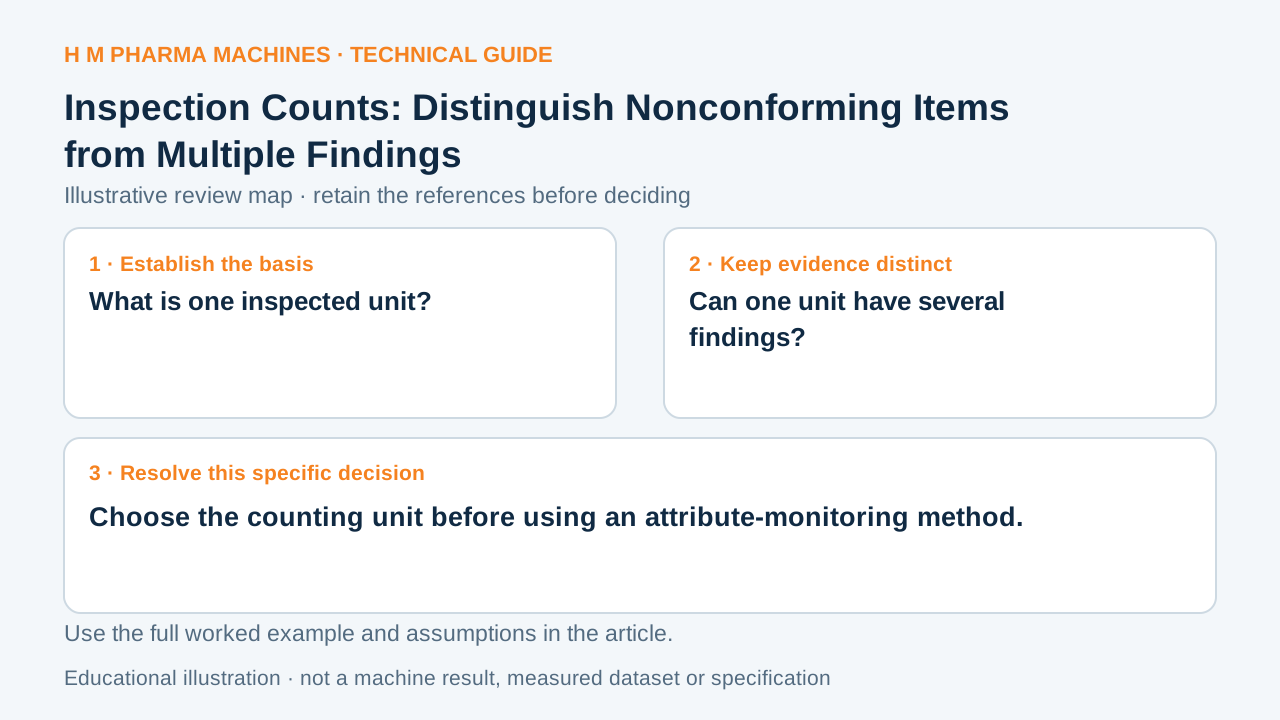
One container can have several findings but count as one nonconforming item. Define the numerator before making a chart.
Two numerators represent different observations
A count of nonconforming items classifies each inspected unit according to the defined rule. A count of nonconformities can include more than one finding on the same unit. Attribute-chart methods distinguish those data structures. Treating a findings total as an item count can create a proportion that no longer answers the intended question.
A hypothetical three-container inspection
Three containers are inspected. One has two defined findings, another has one, and the third has none. There are three findings on two affected containers. The proportion of affected containers is two out of three; the average finding count is one per inspected container.
Those elementary calculations describe different observations. Whether either finding makes a container nonconforming depends on the agreed classification rule. The illustration is not an HM inspection result or a proposed defect definition.
Keep findings connected to units
Use item IDs with separately defined finding categories. Retain inspected quantity and the inspection opportunity represented by each unit. Decide how repeated observations of the same finding are treated and how an item with several categories contributes to the overall classification.
Send the counting definitions with any trend summary. If the inspection area, number of features or opportunity changes, review whether the same count basis is still comparable. Selecting p, c or u monitoring methods needs the data structure and assumptions; a chart label should follow that choice rather than determine what the operator records.
Trial discussion worksheet
This blank worksheet is for your own project. It contains no H M machine trial result.
| Review question | Reference or observation to retain |
|---|---|
| What is one inspected unit? | Container or defined opportunity |
| Can one unit have several findings? | Category and counting rule |
| What denominator applies? | Inspected units or opportunity |
Customer Questions
Can three findings occur on two items?
Yes. Findings and affected-item counts need not match.
Is every finding automatically a defective item?
The classification depends on the approved definition and intended function.
May the numerator definition change within one trend?
Record and review such a change before treating the results as comparable.
Primary References
These references support the technical principles discussed in this guide. The worked examples and review questions are educational.
Discuss Your Machine Requirement
Share your product, container, required output and the evidence needed for your technical review.
Request a Technical Review