
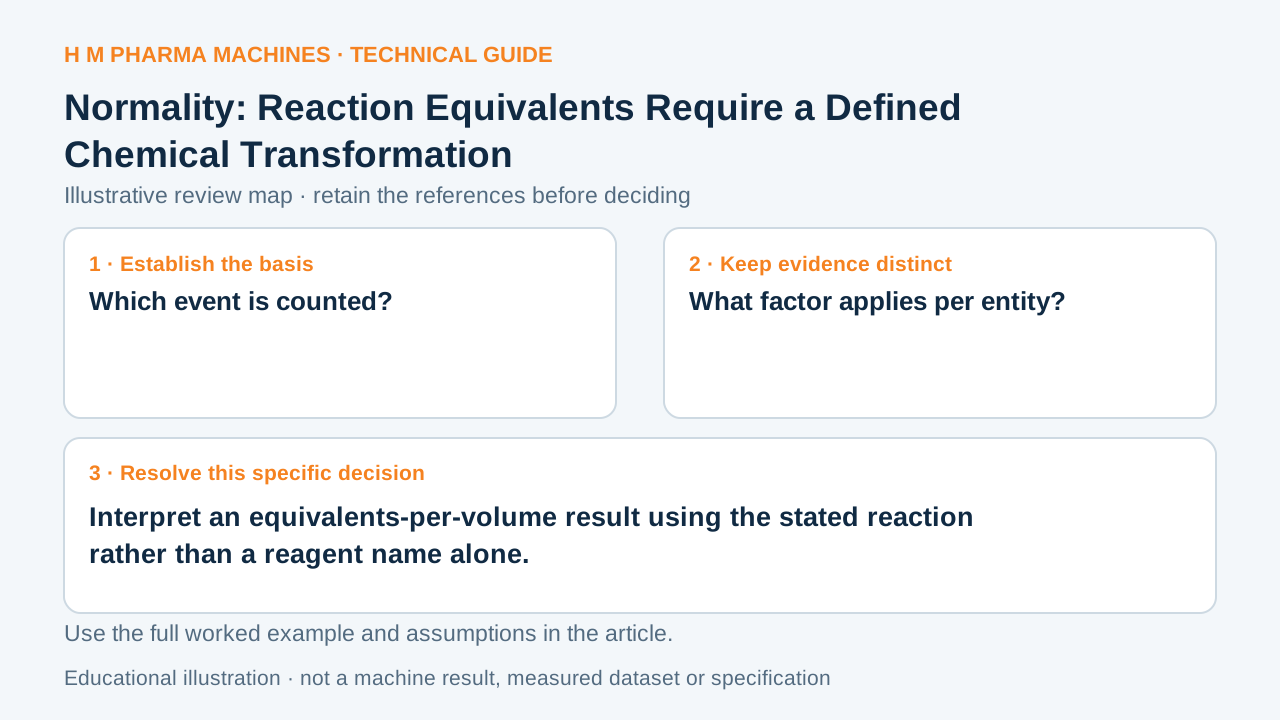
A result reported as normality needs its reaction. The same chemical amount can correspond to different equivalents when a different transformation is being considered.
Define the equivalent event
An equivalent entity relates to a specified transfer, such as one proton in neutralization or one electron in redox. An equivalents-per-litre convention therefore needs its chemical transformation. A reagent name and molarity alone do not identify the applicable equivalent factor. Primary reference.
Compare two fictional reaction endpoints
Imagine a hypothetical diprotic acid at 0.20 mol/L. For a reaction model consuming both protons per molecule, its proton-equivalent concentration is 0.40 equivalents/L. If the expressly defined transformation consumes only one proton per molecule, it is 0.20 equivalents/L.
The molecule concentration remains 0.20 mol/L in both descriptions. What changed was the amount of specified reaction event assigned to each molecule. The example does not say that either titration endpoint is appropriate for a real method or that both protons react completely under every condition.
Keep reaction meaning beside the unit
Build an original comparison record containing the balanced reaction, equivalent factor and concentration basis. If a supplier or laboratory reports an N label, request what event it counts and how the endpoint was established. Preserve the amount concentration as a separate quantity where available.
This is a terminology and stoichiometry guide rather than an approved reagent preparation. Before comparing liquids used in an equipment trial, reconcile reaction-based concentration labels without allowing them to replace physical fluid measurements or an identified analytical procedure.
Solution review worksheet
This blank worksheet is for your own project. It contains no H M machine trial result.
| Question | Record to retain |
|---|---|
| Which event is counted? | Named proton, electron or other equivalent transfer |
| What factor applies per entity? | Balanced reaction and endpoint scope |
| What does the per-litre denominator represent? | Final solution volume and conditions |
Customer Questions
What is the fictional two-proton equivalent concentration?
0.40 equivalents/L.
Did its molecule concentration change?
No. It remains 0.20 mol/L.
Does a reagent name alone define normality?
No. The specified reaction is needed.
Primary References
These references support the technical principles discussed in this guide. The worked examples and review questions are educational.
Discuss Your Machine Requirement
Share your product, container, required output and the evidence needed for your technical review.
Request a Technical Review