
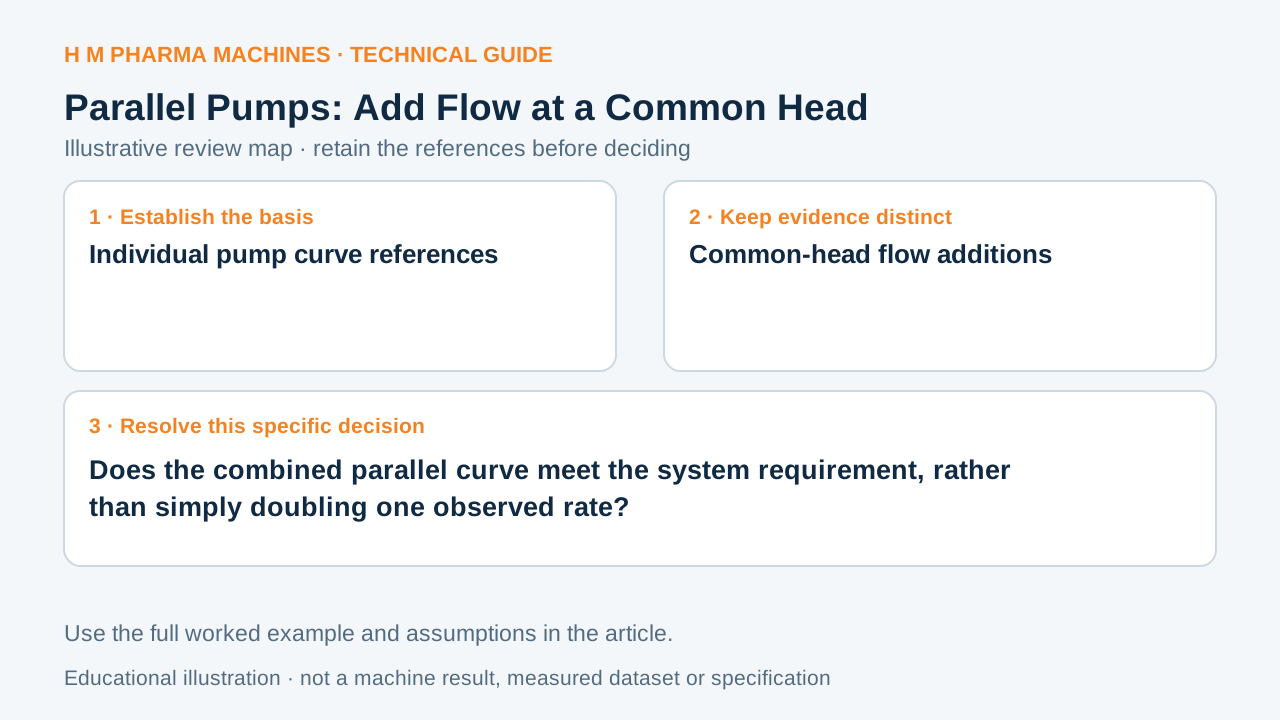
Two centrifugal pumps in parallel need a common-head comparison and a combined system assessment.
Combine Matching Curve Points
KSB explains that parallel pump flow is the sum of individual flows at the same head. The actual combined operating point comes from the intersection of that combined pump curve with the system curve. Adding two unrelated rated-flow numbers omits the common-head condition.
Retain individual curve identities and the shared-route model. A second pump can change the common flow and therefore the route loss. The resulting head can differ from the head observed with one pump, so twice one observed rate is not automatic. KSB primary engineering reference.
Illustrative Addition
Suppose two invented curves each supply 8 m³/h at a common head of 15 m. Their combined curve contains 16 m³/h at 15 m. If the hypothetical system requires 19 m at 16 m³/h, that combined point is not the system intersection.
The example shows how curve addition differs from delivered-flow prediction. It supplies no proposal for an HM tank installation. To find the actual combined operating point, the engineer needs the complete relevant curves and system cases, not only these isolated values.
Review Shared and Individual Conditions
Ask the designer how single-pump and combined operation are covered, including curve compatibility and the selected isolation or non-return arrangement. Keep control and installation responsibilities with the approved design; this educational comparison is not a start-up sequence.
Record the common-head additions and the predicted intersections separately in the worksheet. A proposal should show which demand cases need parallel duty and which use one unit. That makes peak-capacity claims reviewable while preserving the actual system assumptions. Relevant HM context: Pharmaceutical Storage Tank.
Parallel Pumps: Add Flow at a Common Head — blank review record
This blank worksheet is for your own project. It contains no H M machine trial result.
| Question | Reference or result | Owner/status |
|---|---|---|
| Individual pump curve references | To complete | To complete |
| Common-head flow additions | To complete | To complete |
| Shared system curve | To complete | To complete |
| Single/combined duty cases | To complete | To complete |
Customer Questions
Will a second pump always double flow?
No. The combined curve must meet a system curve that may require greater head at greater flow.
Can unlike rated-flow numbers be added?
Compare individual flows at the same head and defined conditions.
Does the article define a start sequence?
No. The supplier design and operating procedure must define that scope.
Related Equipment References
Review the actual offered equipment and application separately from this educational example.
Primary References
These references support the technical principles discussed in this guide. The worked examples and review questions are educational.
Discuss Your Machine Requirement
Share your product, container, required output and the evidence needed for your technical review.
Request a Technical Review