
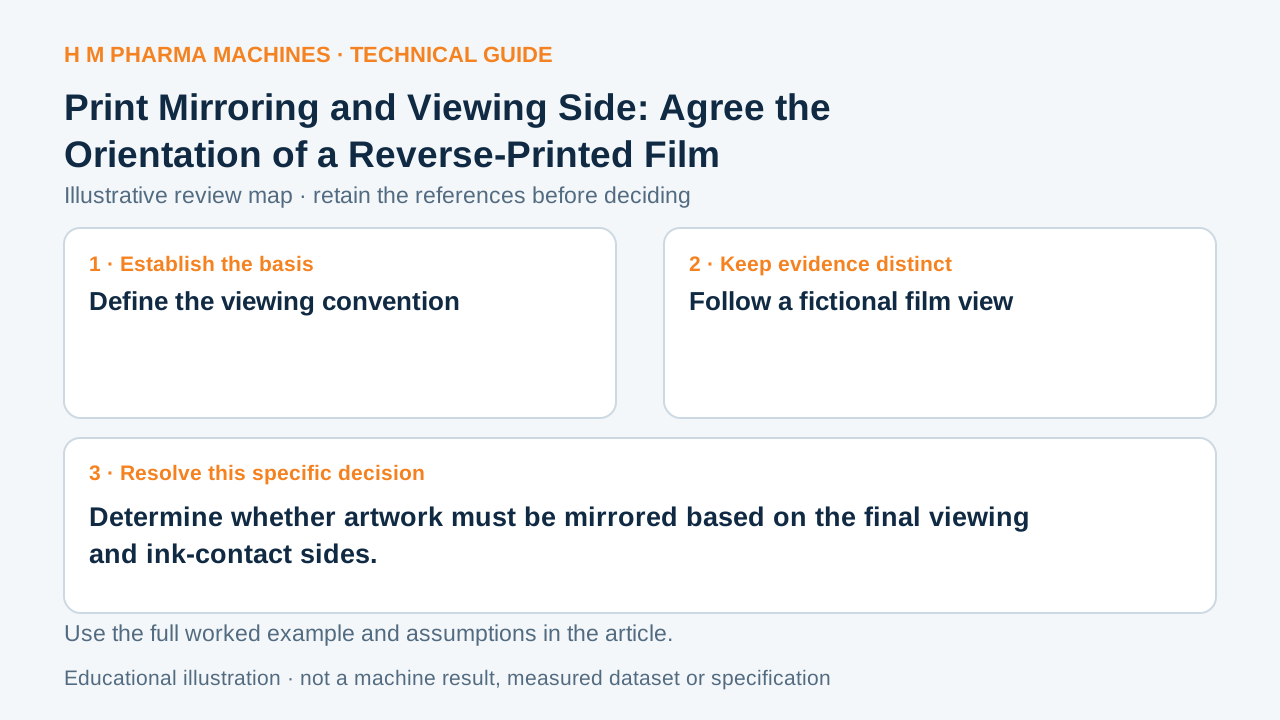
Right-reading depends on which side is viewed and how the film is oriented. Put that geometry on the artwork proof before choosing a mirror operation.
Define the viewing convention
Output flip operations can mirror an image across a specified axis. The meaning of right-reading depends on the stated viewing side and orientation. A flip setting used for one film-output route is not automatically an instruction for every reverse-printed packaging material. Primary reference: Adobe: output flip settings and viewing-side orientation.
Mark the intended ink-contact side and the side from which the final information is viewed. Keep a top-direction arrow and a distinct left-right reference. The word reverse in a request is insufficient if different participants mean reverse side, reverse order or mirrored geometry.
Follow a fictional film view
Imagine the asymmetric text AB is placed on a transparent film and viewed first from the print side, then from the opposite side while preserving the stated top convention. The second view can reverse its apparent left-right relationship. The required output must be defined from the agreed final viewpoint.
This scenario is a geometric explanation, not a recommendation for a particular press, emulsion setting or contact surface. Viewing-side changes and a 180-degree in-plane rotation are different operations. A physical mock-up can show which one the actual handoff requires.
Approve a labelled physical orientation
Prepare a proof or mock-up that identifies both sides, the top direction and the final reading convention. Confirm it with the receiver's actual print and converting route. Compare an asymmetric reference, rather than a shape whose appearance remains unchanged after mirroring.
Retain the orientation drawing with the released artwork and specify where any flip is applied. If both an export and a printer setting mirror the image, their combined result can differ from the intended single operation. Trace the complete output route before describing a mirrored preview as approval of final readability.
Customer Questions
Is reverse side always the same as mirrored artwork?
No. Define the viewpoint and orientation explicitly.
Why use an asymmetric reference?
It reveals a left-right reversal that a symmetric shape may conceal.
Should both flip stages be recorded?
Yes. Their combined transformation determines the final orientation.
Primary References
These references support the technical principles discussed in this guide. The worked examples and review questions are educational.
Discuss Your Machine Requirement
Share your product, container, required output and the evidence needed for your technical review.
Request a Technical Review