
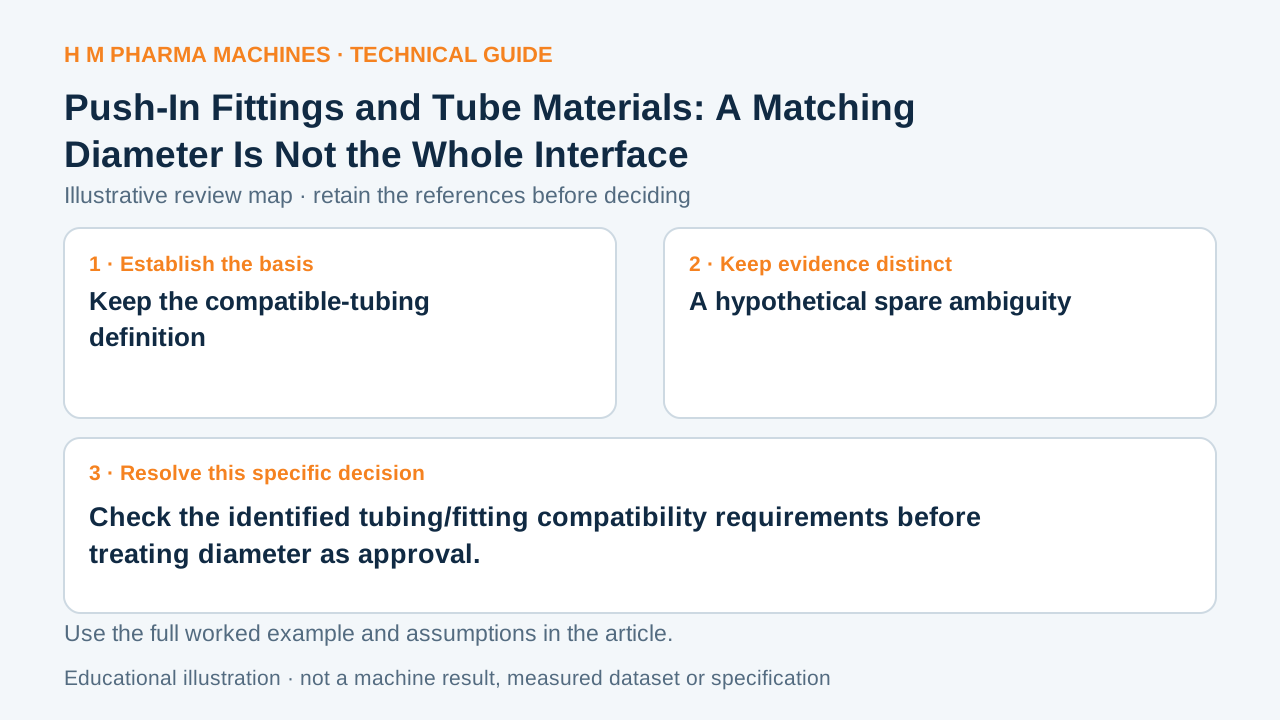
A tube that fits by diameter can still leave its material-interface eligibility unresolved.
Keep the compatible-tubing definition
Parker's identified fitting information lists applicable tube materials and conditions rather than outside size alone. Retain the exact selected fitting's statement. Primary reference: Parker tubing-interface conditions.
Record tubing part, material identity, relevant hardness or other stated condition, dimensions and operating basis. A word such as polyurethane can cover different identified constructions; it should not silently satisfy a more specific compatibility requirement from the actual fitting document.
A hypothetical spare ambiguity
Imagine an original tube record includes a defined material grade and condition, while a proposed spare lists the same outside diameter and only a generic material family. Mark the missing condition and ask the supplier whether the actual spare/fitting pair is supported. A successful visual insertion would not replace that evidence.
Make columns for fitting identity, permitted tubing statement, offered tube identity, condition match and supplier response. The example supplies no HM leak diagnosis or required hardness value. It does not reproduce a manufacturer insertion or removal procedure.
Preserve the complete operating basis
Ask which pressure, temperature, medium and movement conditions the actual compatibility statement covers. A component claim under one duty should remain tied to it rather than being promoted to every service condition or every different fitting family.
Keep approved spare references with the circuit record. If a material or supplier changes, revisit the documented pair rather than using diameter as the sole acceptance shortcut. This guide helps a buyer request a specific interface assessment without guaranteeing retention or sealing from a generic material name, recommending a tube support or instructing changes to a pressurized connection.
Customer Questions
Does matching diameter close material compatibility?
No. Preserve the applicable tubing conditions.
Does a generic polymer name identify every grade?
No. Use the actual tube and fitting records.
Can one fitting family's statement approve all families?
No. Retain the selected component scope.
Primary References
These references support the technical principles discussed in this guide. The worked examples and review questions are educational.
Discuss Your Machine Requirement
Share your product, container, required output and the evidence needed for your technical review.
Request a Technical Review