
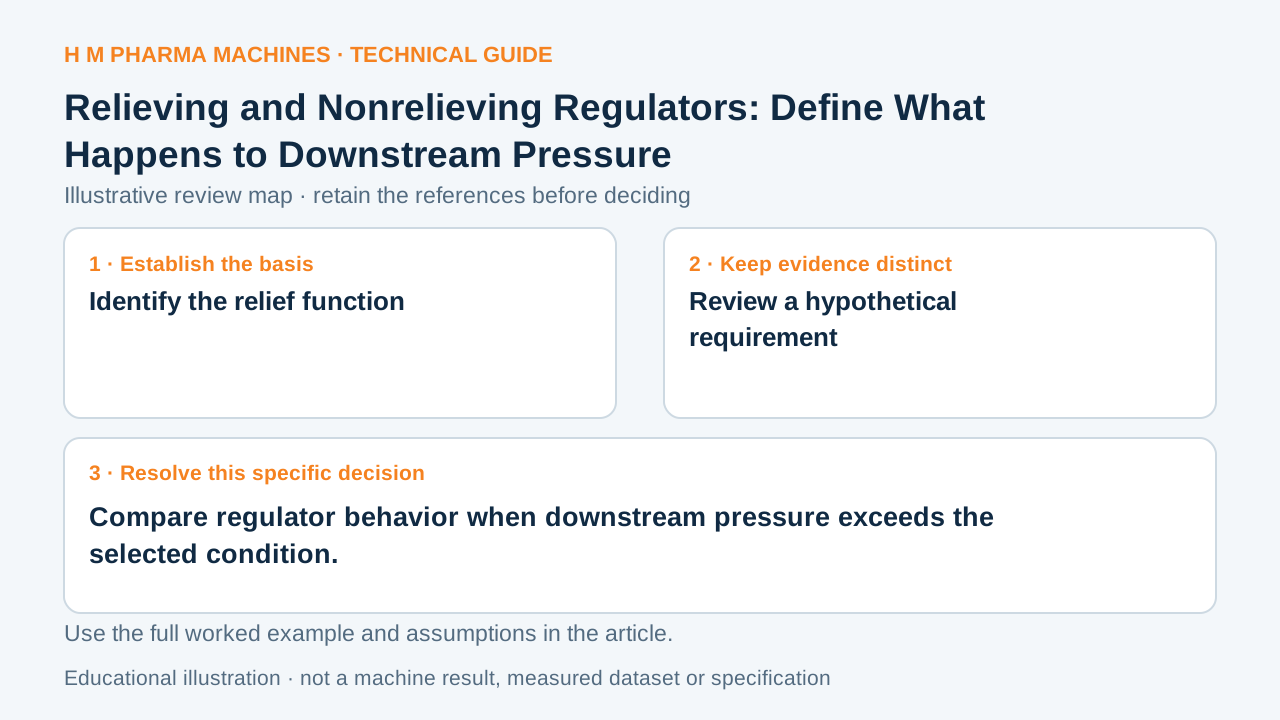
An outlet pressure above the selected condition exposes a different function from supplying air to a lower-pressure outlet.
Identify the relief function
SMC distinguishes a relief type that releases excess outlet pressure from a non-relief type that does not provide that function. Preserve the selected arrangement. Primary reference: SMC relieving versus nonrelieving function.
The relevant question is how the actual circuit handles the defined downstream condition. A set-pressure range or a gauge alone does not answer whether the regulator provides an outlet-relief path. Keep any separately included relief or discharge provision identifiable.
Review a hypothetical requirement
Imagine an operating note requests lowering an outlet pressure from one defined condition to another, while the proposed component is documented as nonrelieving. Mark the discharge-function question as unresolved rather than assuming the gauge will fall simply because the requested setpoint changes. Ask for the circuit's actual pressure-release basis.
Use rows for incoming supply behavior, outlet relief behavior, stated downstream condition and relevant component references. The example supplies no HM pressure setting, discharge permission or universal relief-flow capacity. A relief label also needs its actual conditions and capacity when those are material.
Keep regulator and system duties separate
Ask the supplier how the selected regulator works within the complete circuit and which functions belong to other components. Preserve direction and pressure-reference definitions from the actual manufacturer document; this distinction should not silently turn a regulator into a complete protective-system claim.
If the component is replaced, compare relief behavior as well as size and pressure range. The buyer can then request evidence for the intended outlet condition without assuming that every regulator offers an identical way to remove excess downstream pressure under every operating or shutdown event.
Customer Questions
Does setpoint range identify outlet-relief behavior?
No. Confirm the actual relief function.
Does nonrelieving mean no circuit can discharge downstream?
No. Another defined system path may provide that function.
Does a relief label establish a complete protective design?
No. Keep the component and system scopes distinct.
Primary References
These references support the technical principles discussed in this guide. The worked examples and review questions are educational.
Discuss Your Machine Requirement
Share your product, container, required output and the evidence needed for your technical review.
Request a Technical Review