
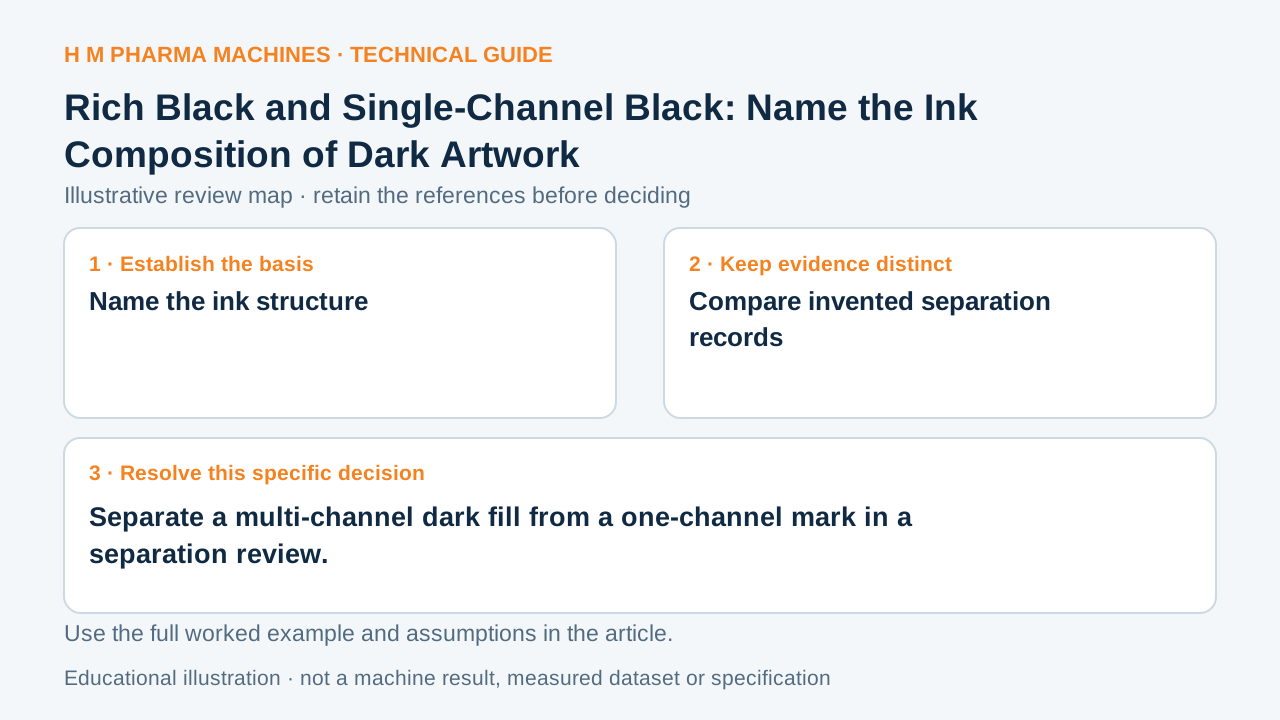
Two dark fills can look similar on screen while using different ink contributions. Their intended composition belongs in the release record.
Name the ink structure
A process-black-only object uses the black channel, while rich black includes additional process-colour contributions with black. Their composite display appearance does not identify which separations are actually present in the released artwork. Primary reference: Adobe: rich black and process separations.
Keep the required composition with each relevant object. A large dark panel, small text and a functional mark may have different output requirements. Do not silently replace all dark objects with one multi-channel recipe because a screen preference makes the preview look richer.
Compare invented separation records
Imagine one fictional dark word occupies only the black separation. A second version also contains cyan and magenta contributions in the same area. Even if both previews appear nearly black, the second version involves additional printed contributions and their alignment.
This example gives no recommended percentages, ink-coverage limit or claim that one version is always better. It also does not treat a registration-colour object as rich black. The actual print provider and functional requirements must define the appropriate output composition.
Verify the released object rather than its name
Review separation evidence from the released file at the intended dark objects. Check whether colour conversion or export changed a one-channel object into a multi-channel one. Retain the file's identity and the required composition so another reviewer can reproduce the structural check.
Assess final appearance and any functional readability using the agreed process-specific proof. Where multiple ink contributions matter, retain their actual alignment evidence. A darker-looking composite can be a useful visual observation, but it does not prove the intended ink structure or settle whether the output meets the particular packaging requirement.
Customer Questions
Does an on-screen black fill identify the ink channels?
No. Inspect the separation composition.
Is registration colour another name for rich black?
No. They have different output roles.
Should every dark object share one recipe?
That requires the actual output and functional requirements, not a blanket screen preference.
Primary References
These references support the technical principles discussed in this guide. The worked examples and review questions are educational.
Discuss Your Machine Requirement
Share your product, container, required output and the evidence needed for your technical review.
Request a Technical Review