
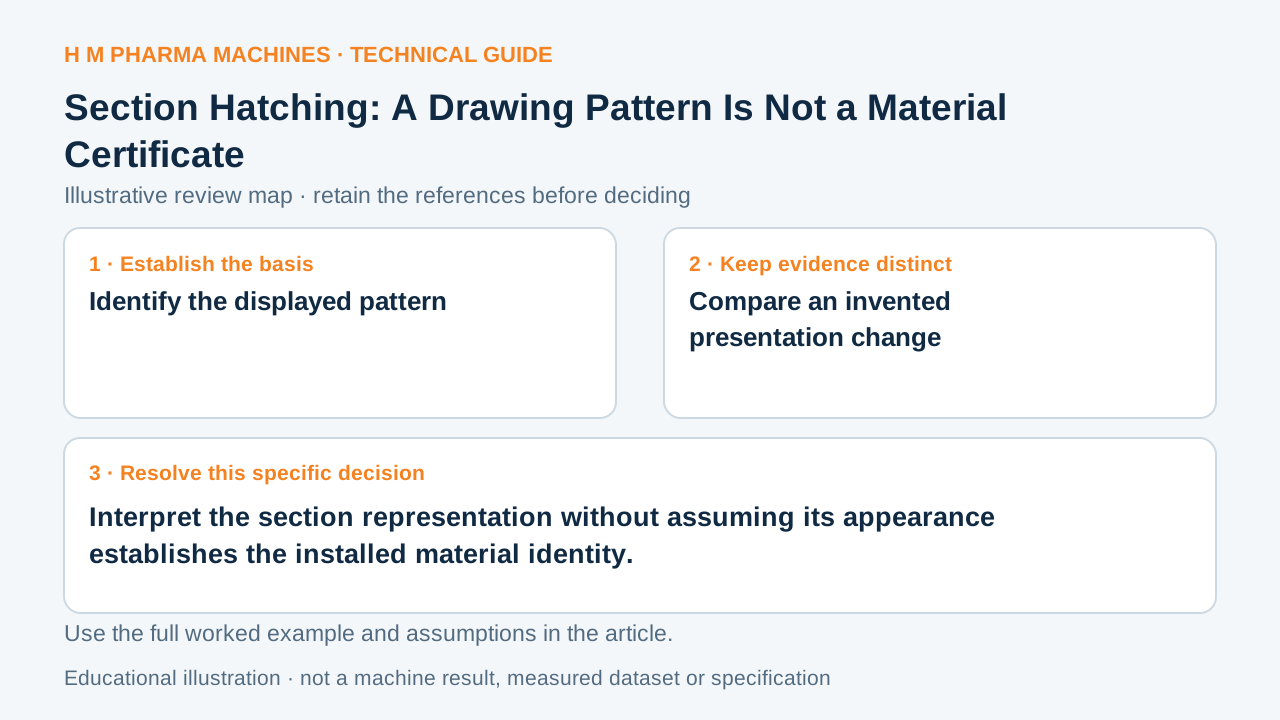
A hatch pattern can be changed on a section view. The picture is not a substitute for the actual material definition and record.
Identify the displayed pattern
A section hatch has display properties such as pattern, scale and angle. These can be selected or changed as drawing attributes. The appearance helps represent a region, but its meaning depends on the actual drawing convention and notes. Primary reference: Autodesk: editable section hatch patterns, scale and angle.
Do not infer an installed material grade solely from a familiar set of lines. A drawing's material requirement must be identified explicitly, and evidence that the actual component uses that material is another record. Visual hatch similarity does not supply either conclusion automatically.
Compare an invented presentation change
Imagine one nominal component section is displayed with closely spaced diagonal lines in one release and wider-spaced lines in another. Only a hatch property has changed in this defined illustration. The underlying region and model material information have not been assigned a new identity by that display change.
Conversely, using the same pattern on two regions does not establish that their actual materials are identical. This example states no standard material-symbol convention and gives no requirement for a real product-contact component. It exposes the limited evidence carried by the picture alone.
Locate the actual material information
Read the relevant component's material note or property definition and identify the specific item it applies to. Where physical material identity matters, trace the actual component record to the agreed requirement. Keep that identity with the interface instead of relying on a cropped hatched region.
If a drawing convention assigns a particular meaning to the hatch, retain that convention alongside the explicit requirement. The pattern can communicate design information when its basis is known, while an actual material certificate or observation supports a different claim. Compare those claims separately before deciding that a familiar section appearance proves construction.
Customer Questions
Does hatch similarity prove equal physical materials?
No. Identify the requirement and actual item evidence.
Can hatch scale change without changing geometry?
Yes. It is a display property.
Should a specific drafting convention be retained?
Yes, where it supplies the pattern's intended meaning.
Primary References
These references support the technical principles discussed in this guide. The worked examples and review questions are educational.
Discuss Your Machine Requirement
Share your product, container, required output and the evidence needed for your technical review.
Request a Technical Review