
A line across a curved transition can be a drawing representation. Its presence does not automatically indicate a physical joint.
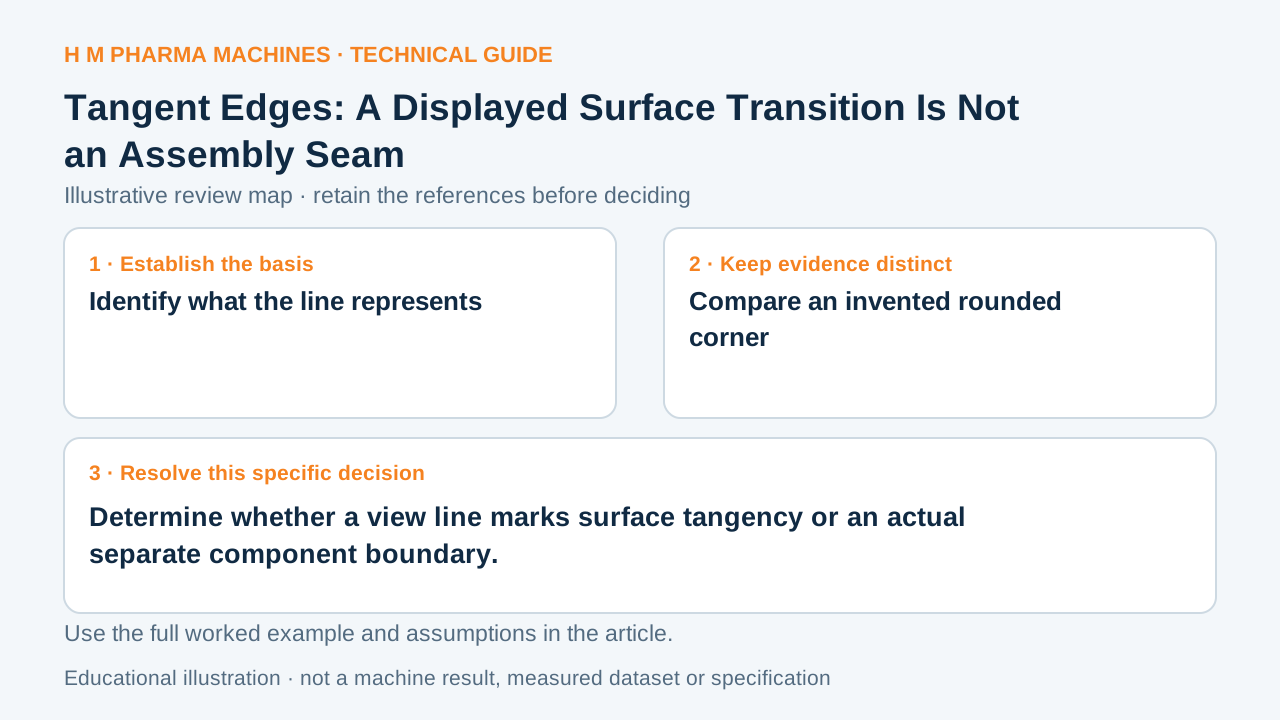
Identify what the line represents
Tangent-edge display can mark transitions between flat and rounded surfaces, such as filleted regions. A drawing may show the transition fully, shorten it or omit it. Those choices concern how the surface relationship is represented. Primary reference: Autodesk: tangent edges and view display choices.
A surface transition and a boundary between separate assembled components are different geometries. Do not count each displayed tangent line as a seam, material change or detachable part without checking the underlying feature and assembly definition.
Compare an invented rounded corner
Imagine a single continuous part with a rounded transition between its top and side surfaces. One view displays tangent-transition lines; another suppresses them. The part's nominal surfaces remain unchanged even though the line drawing looks more segmented in the first view.
Now compare a separate two-part assembly that actually joins at the same visible location. A similar page line could represent a different relationship. This thought experiment supplies no weld requirement, material continuity certificate or prediction of manufactured finish. It identifies an ambiguity that the model and drawing need to resolve.
Verify the boundary relevant to the task
Trace the line to its feature or component identity. Where cleaning access, assembly or connection geometry depends on a joint, request the actual component boundary and interface definition. A display preference should not become the sole evidence behind a construction assumption.
Retain the selected edge style when comparing screenshots so a changed picture is not mistaken for changed design. Read the required geometry through dimensions, sections and component identities as applicable. The drawing representation can clarify a transition, but the physical joint or continuous construction must be supported by the appropriate design and actual-part records.
Customer Questions
Does a tangent line necessarily mark a seam?
No. It can represent a surface transition.
Does hiding that line remove the fillet?
No. Display and model geometry are separate.
What should establish a real joint?
Use the actual component and interface definition.
Primary References
These references support the technical principles discussed in this guide. The worked examples and review questions are educational.
Discuss Your Machine Requirement
Share your product, container, required output and the evidence needed for your technical review.
Request a Technical Review