
An electrode and a filler rod can have different roles even when both are near the weld pool.
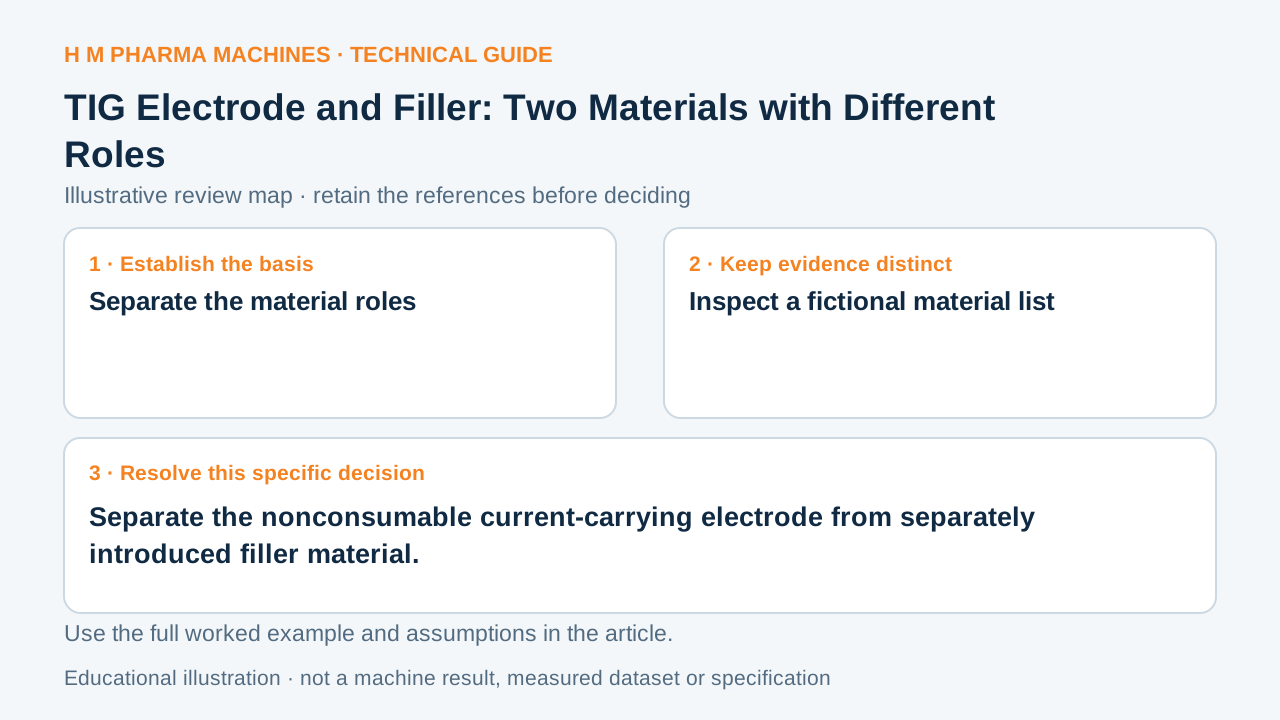
Separate the material roles
TWI explains TIG using a nonconsumable tungsten electrode, with filler supplied separately when the operation uses it. The electrode and filler therefore need separate identities. Primary reference: TWI technical explanation.
A procurement list mentioning tungsten size does not identify the filler chemistry. Likewise, a filler-rod designation does not describe the current-carrying electrode arrangement. Keep the two records linked to the same proposed joint.
Inspect a fictional material list
Imagine a hypothetical offer lists one tungsten electrode and twenty filler rods. A reviewer counts twenty-one items and labels them all filler consumables. That count hides the distinct roles rather than describing material entering the joint.
An improved worksheet gives the electrode its own row and identifies the filler rods separately by designation and supplied quantity. Their role is a documentary classification; the example supplies no consumption rate, alloy selection or instruction to use the listed materials.
Ask for the missing identity
Record electrode identity, filler identity where used, parent-material identity and the actual process description. Preserve a no-added-filler entry explicitly instead of interpreting a blank as missing documentation.
Ask the supplier which records describe the proposed joint material and which describe the electrode hardware. A clear answer helps trace consumable certificates and process evidence without assuming that the appearance of a rod establishes its function. The fabrication proposal still needs its own applicable requirements.
Customer Questions
Does tungsten identity specify filler chemistry?
The separately supplied filler needs its own identity.
Are all twenty-one hypothetical items filler?
The electrode row has a different documented role.
Can a TIG record have no added filler?
The actual record should state that condition explicitly.
Primary References
These references support the technical principles discussed in this guide. The worked examples and review questions are educational.
Discuss Your Machine Requirement
Share your product, container, required output and the evidence needed for your technical review.
Request a Technical Review