
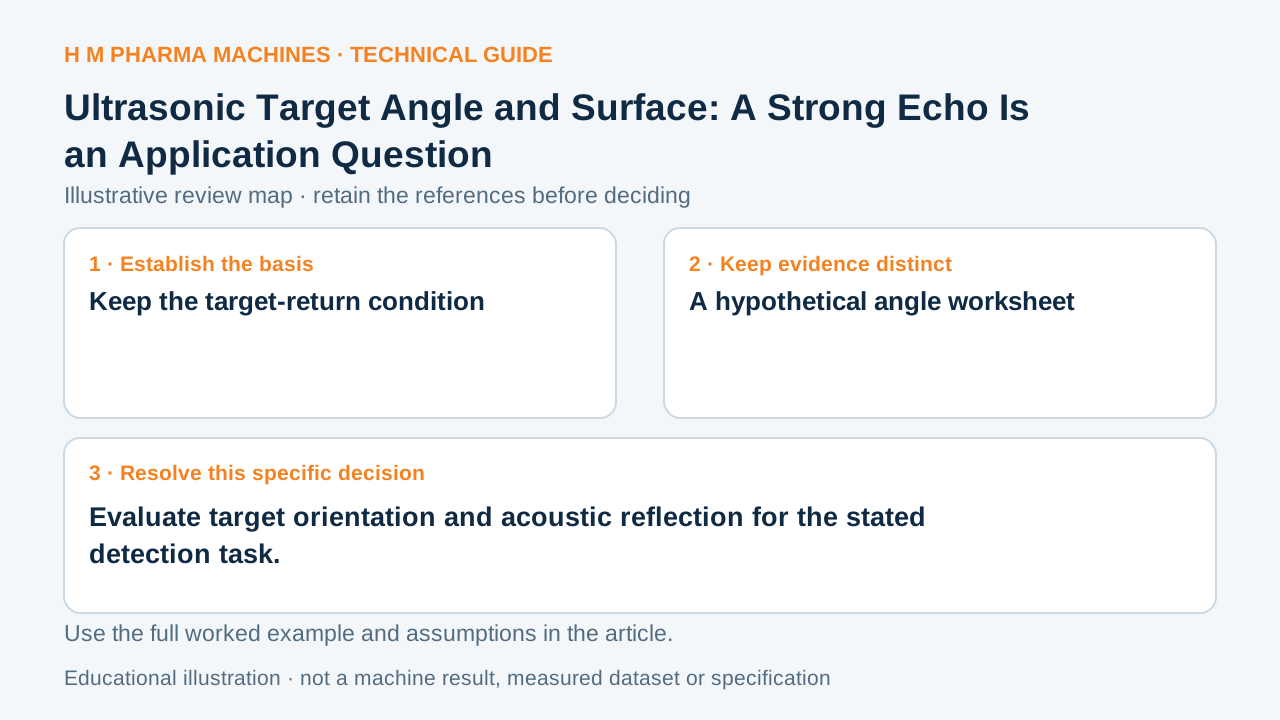
Use target surface and angle evidence when an ultrasonic echo must return to the selected receiver.
Keep the target-return condition
Pepperl+Fuchs identifies target surface and angle as influences on ultrasonic range. A smooth tilted surface can direct useful sound away from the receiver. Primary reference: ultrasonic target and angle.
The useful question is whether the intended target supplies the required returning echo in the actual geometry. A nominal maximum based on a reference target does not establish detection of every sloped, narrow or irregular surface.
A hypothetical angle worksheet
Imagine a proposed smooth panel is at the same nominal distance in two drawings but has a different orientation. Preserve the panel angle and surface identity beside each distance. Equal distance does not make the two echo paths equivalent. An irregular surface introduces another target condition rather than proving the problem disappears.
List the intended variation in orientation and which actual samples represent it. Keep receiver position and target shape visible. A test using a large perpendicular reference panel would provide different evidence from the planned narrow sloped part. No allowable angle is specified by this fictional comparison.
Request target-specific evidence
Ask the supplier for the relevant response area or assessment with the proposed target. Separate this echo-path question from dead-zone coverage, electrical output and environmental limits. A favorable answer in one row cannot close the others.
Preserve changes in surface finish or movement geometry with later format reviews. This article provides no powered alignment instruction and claims no ultrasonic sensor on an HM machine. It helps prevent a supplier range label from silently becoming proof for a target that was never represented in the supporting evidence.
Customer Questions
Can equal distances have different echoes?
Surface and orientation can alter the return.
Is a smooth panel always equivalent to an irregular target?
Use the actual target evidence.
Is a universal permitted angle supplied?
The selected component and target need assessment.
Primary References
These references support the technical principles discussed in this guide. The worked examples and review questions are educational.
Discuss Your Machine Requirement
Share your product, container, required output and the evidence needed for your technical review.
Request a Technical Review