
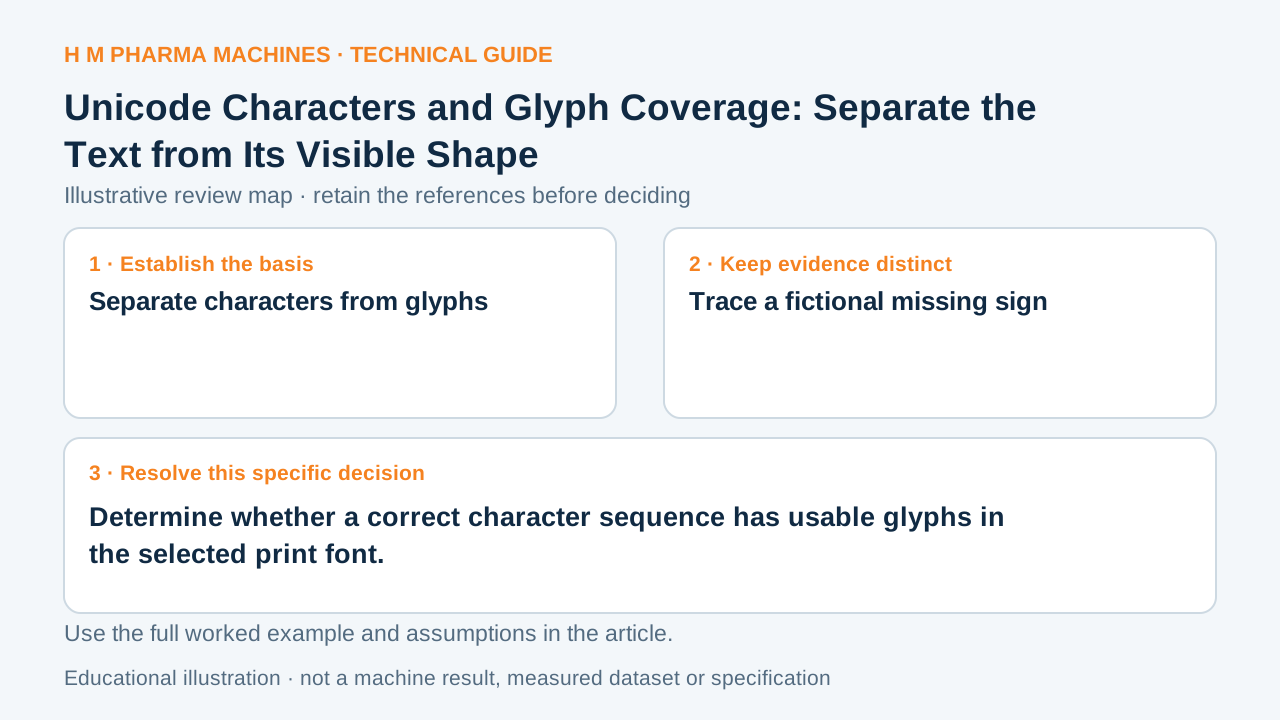
Correct stored text can still render incorrectly. A character sequence and the letter shapes shown by a font are different parts of the artwork path.
Separate characters from glyphs
Unicode represents characters, while fonts and rendering systems provide the glyph forms used to display them. Having a correct encoded sequence does not establish that the chosen font supports every needed glyph or that the required shaping behaviour is available. Primary reference: Unicode Consortium: text display problems and font support.
A missing-glyph box and a wrong stored character are different failures. Check the underlying sequence before editing approved wording to resemble a damaged preview. If the text is correct but the renderer cannot form the intended shapes, the representation path needs attention.
Trace a fictional missing sign
Imagine a multilingual label contains the approved character sequence for a unit sign, but one preview substitutes a square box at that position. A different font renders the intended sign from the same stored text. The discrepancy points to a display-support question rather than evidence that the approved text must be replaced.
This example assigns no particular script, font compatibility or universal substitute behaviour. It also does not establish that every combined character or mark will display correctly after one glyph is repaired. The complete approved language sample belongs in the trial.
Review the final rendering path
Retain the source text and identify the actual font used by the released artwork. Check whether fallback fonts are used and whether their shapes and spacing are acceptable for the approved presentation. Review combinations and positioning in the full strings, instead of testing isolated letters only.
Compare the rendered result at the output device or export stage that will be used. A correct application preview does not automatically demonstrate the recipient's environment. Keep the underlying character record with the visual proof so reviewers can determine whether a future discrepancy originated in text data or in glyph rendering.
Customer Questions
Does correct encoding guarantee every visible glyph?
No. The font and rendering path also need suitable support.
Should a missing box be replaced by new wording immediately?
First check whether the underlying approved character sequence is correct.
Why test full strings?
Combining forms, positioning and spacing depend on context.
Primary References
These references support the technical principles discussed in this guide. The worked examples and review questions are educational.
Discuss Your Machine Requirement
Share your product, container, required output and the evidence needed for your technical review.
Request a Technical Review