
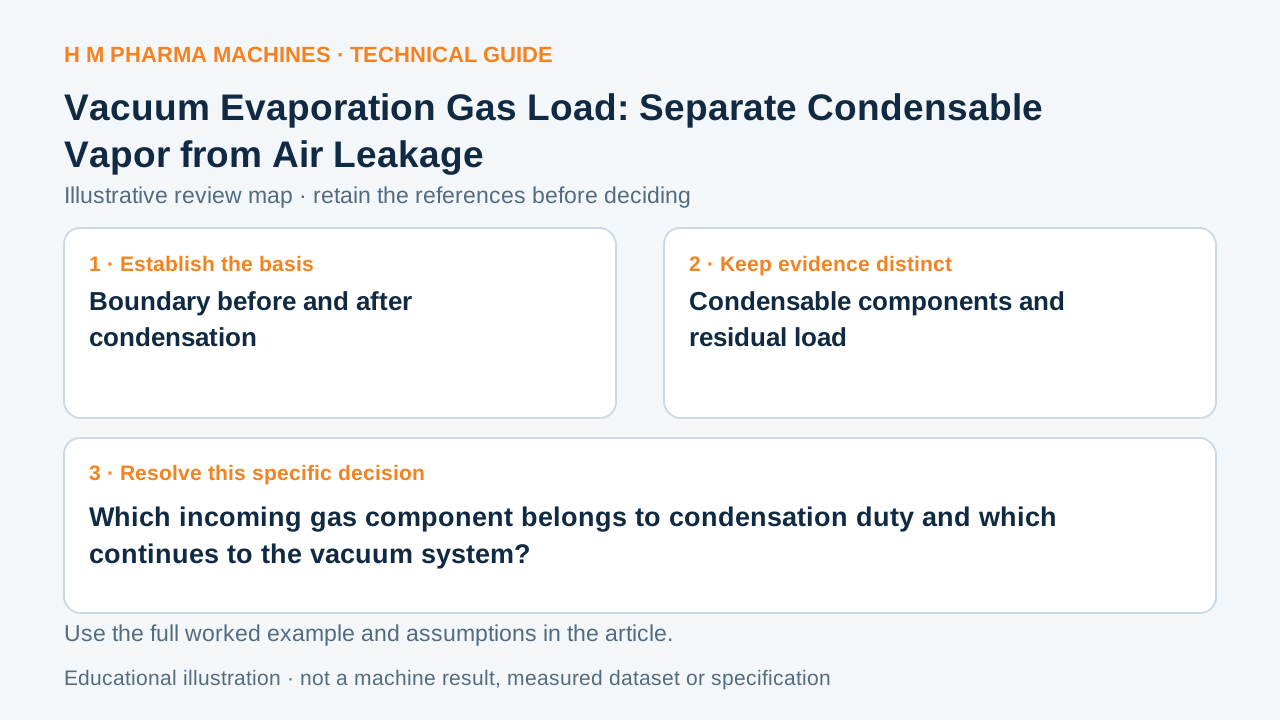
Separate condensable vapor from non-condensable ingress when defining a vacuum-system duty.
Define the Phase or Process Boundary
GEA's vacuum-system planning document requests condensable vapor and non-condensable gas separately at suction conditions. Condensation can change the load reaching a later vacuum stage. A vessel pressure value alone does not describe that component inventory.
Review a Hypothetical Comparison
Consider an invented boundary with 100 kg/h of condensable vapor reaching a condenser and 2 kg/h of air ingress. Assume the condenser removes 95 kg/h of the vapor; the later gas stage then receives 5 kg/h residual vapor plus 2 kg/h air, or 7 kg/h total. Specifying only the 2 kg/h air misses residual vapor, while treating all 102 kg/h as the downstream load ignores the assigned condensation. Component molecular masses and suction state are still needed to translate this mass record into volume flow.
Keep the Evidence with the Decision
Draw the vessel, condenser and vacuum-stage boundaries. For each one, list components, mass flow, absolute pressure and temperature. Identify where leak estimates and residual vapor estimates originate. Keep initial evacuation of an empty volume separate from steady vapor generation and ingress during operation.
The condensation amount is fictional, not a guaranteed condenser efficiency. No pump model, suction capacity, vacuum level or air-leak acceptance limit is selected by this example.
Which incoming gas component belongs to condensation duty and which continues to the vacuum system?
This blank worksheet is for your own project. It contains no H M machine trial result.
| Review field | Reference or result | Responsible person |
|---|---|---|
| Boundary before and after condensation | To complete | To complete |
| Condensable components and residual load | To complete | To complete |
| Non-condensable ingress evidence | To complete | To complete |
| Suction state and startup versus steady duty | To complete | To complete |
Customer Questions
Can pressure alone size the vacuum duty?
No. Component flows and suction conditions are required.
Does all vapor reach the final gas stage?
Determine how much is removed by the actual upstream condensation.
Is initial vessel evacuation the same duty?
It is a different transient boundary from steady vapor generation.
Primary References
These references support the technical principles discussed in this guide. The worked examples and review questions are educational.
Discuss Your Machine Requirement
Share your product, container, required output and the evidence needed for your technical review.
Request a Technical Review