
Begin with the Complete Dispensing Pack
A personal-care liquid enquiry should identify the finished pack the buyer wants assessed, including its bottle and selected closure or dispensing assembly. A bare bottle and a product name leave the final presentation undefined. Keep the complete sample reference with the formulation and intended fill information.
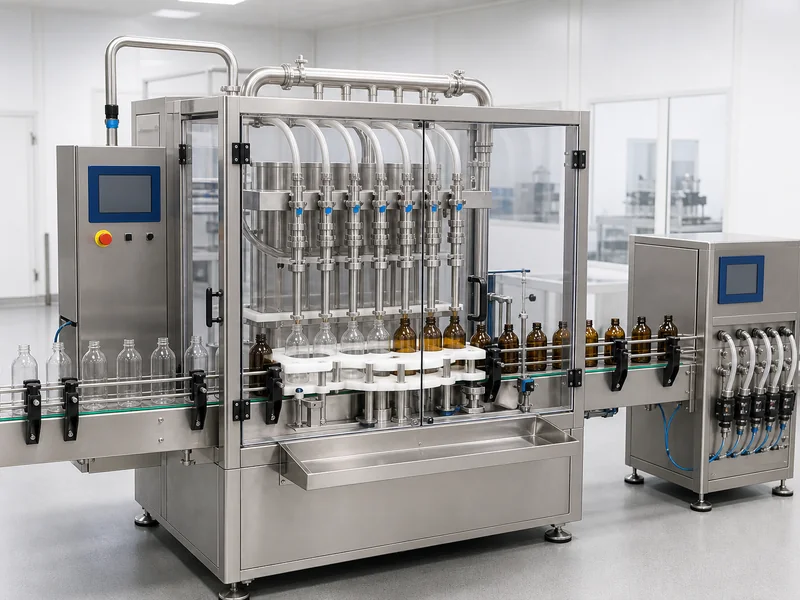
The published bottle-filler page includes cosmetic application enquiries, with suitability dependent on approved liquids and containers. That category does not approve a particular dispensing pack. The practical decision is which filling and subsequent closing questions need separate evidence before the supplier proposes equipment.
Keep Bottle and Assembly References Together
Supply identifiable bottle and closure or dispensing-assembly samples, drawings and supplier revisions. Explain which combination represents the proposed finished pack. If the assembly contains several supplied pieces, ask the pack owner to identify their relationship instead of describing them all as a cap.
Record whether the sample is an approved pack, a development combination or a presentation mock-up. State which component remains provisional. A trial using another closure can provide limited observations, but it should not silently become evidence for the buyer's selected assembly or finished presentation.
Define Neck and Exterior Observations
Ask the product and pack owners which visible conditions matter after filling and before closing. Where relevant, identify product observed on the neck, closure interface or exterior, and keep the observation point with the sample history. Do not assume every surface mark has the same cause or acceptance decision.
Agree the permitted observation method and conditions for comparison. A sample viewed after extra handling does not represent an untouched discharge observation. Record actual handling and product condition rather than inventing a cleaning step, allowable residue level or universal judgement about the finished pack.
Assign Closure-Stage Evidence Separately
Identify who will assess the selected assembly after filling and which equipment or agreed method will be used. Ask what presentation, component-identity and closure-stage evidence the pack owner needs. Keep those questions separate from evidence that the filler delivered the intended quantity.
The closure-selection guide helps frame the bottle-and-closure enquiry, but does not establish compatibility for an unreviewed dispensing assembly. Confirm the proposed closing scope with the responsible supplier. Include material and cleaning restrictions as pack-specific inputs, without assuming the filler includes every downstream function or approves a shared-product process.
Use a Complete-Pack Trial Brief
Complete one row for each formulation and bottle/assembly combination. The blank worksheet connects presentation requirements to an observation point and its responsible review, rather than recording a generic industry application.
| Product and condition | Bottle/assembly references | Finished presentation | Neck or exterior observation | Observation point and history | Closure evidence owner | Supplier trial question |
|---|---|---|---|---|---|---|
Attach the actual sample, drawing and material-restriction references. Leave provisional components and unobserved stages visible so the supplier and pack owner can agree which questions the planned activity can answer.
Request Evidence for the Intended Finished Pack
Confirm the proposed filling and closing observations, their configuration references and the people reviewing them. If only the filling stage is available for a demonstration, retain the closure-stage question as open and agree its next evidence owner. Do not describe a partly reviewed pack as accepted finished presentation.
After the agreed review, keep the observations with the exact formulation and component combination they represent. Changes to a bottle, dispensing assembly or product condition may require another assessment. The useful brief makes those dependencies visible without claiming machine compatibility, dispensing performance or a completed customer trial.
Buyer Questions
Is a bare bottle enough to represent a personal-care dispensing pack?
Identify the selected closure or dispensing assembly too, with matched sample and supplier references. Keep provisional or substitute combinations labelled with their review limits.
What should accompany a neck or exterior product observation?
Keep the sample identity, observation point, product condition and handling history. Agree the pack owner's assessment question rather than assuming a universal allowable residue or cause.
Does an accepted filling observation also accept the dispensing assembly?
Keep filling and closure-stage evidence separate. Confirm the actual closing scope, the intended finished presentation and the responsible review owner for the complete pack.
Related Equipment and Guides
Primary References
Review these published machine and support pages alongside the approved configuration, actual samples and project documents.
Discuss Your Machine Requirement
Share the machine duty, actual samples, required result and relevant site information with H M Pharma Machines for a technical review.
Request a Technical Review