ESTABLISHED 2012 ยท AHMEDABAD, INDIA☎ +91 97379 73334✉ info@hmpharmamachines.com
Integrated Pharmaceutical Material Handling System

Wire Mesh Conveyor

For approved containers or components requiring drainage, airflow or thermal exposure, with controlled loading and transfer onto the mesh belt.

Suitable for
Approved containers or components requiring drainage, airflow or thermal exposure
Method
Open-belt process and container transfer
Output
Confirm line speed and load against the approved product and layout.
Format range
Final range is confirmed from approved samples and the machine datasheet.
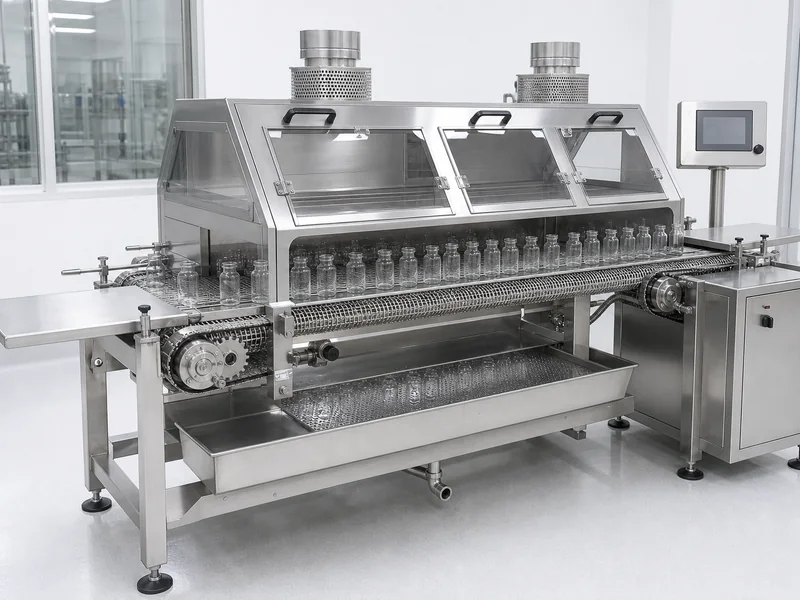
AI-generated conceptual visualization of Wire Mesh Conveyor; final machine configuration may vary
AI-generated conceptual visualization of this machine. Final configuration may vary by approved project scope.
GMP-Oriented EngineeringApplication-Matched DesignInstallation SupportAfter-Sales Service

Machine overview

Pharmaceutical Conveyor & Material Handling Manufacturer in India

H M Pharma Machines manufactures the Wire Mesh Conveyor in Ahmedabad, Gujarat, India for pharmaceutical, nutraceutical, cosmetic, food, chemical and allied production applications.

The Wire Mesh Conveyor uses controlled loading and transfer onto the mesh belt for product movement. Its approved process completes when transfer plates and guides move products to downstream equipment.

Detailed engineering for the Wire Mesh Conveyor aligns variable-speed drive, belt tracking and process-zone synchronization with the approved application, target output, utility schedule and final line layout before the GA drawing is released.

Why this machine

Why Choose the Wire Mesh Conveyor

01

Open-belt process and container transfer

The Wire Mesh Conveyor is intended for approved containers or components requiring drainage, airflow or thermal exposure; performance is assessed against the output and acceptance criteria stated for the approved configuration.

02

Controlled Product Handling

Controlled loading and transfer onto the mesh belt.

03

Application-Matched Controls

Variable-speed drive, belt tracking and process-zone synchronization.

04

GMP-Oriented Engineering

For the Wire Mesh Conveyor, the materials and cleanability review follows this product-contact requirement: Frame, belt, chain, guide and support materials are selected for the load, cleaning regime and production environment.

05

Efficient Format Changeover

Duty changeover covers belt speed, side guides, transfer plates and the settings required for the approved washing, draining, drying, cooling or heating zone.

06

Production-Line Integration

Transfer plates and guides move products to downstream equipment.

Operating process

How the Wire Mesh Conveyor Works

The wire mesh conveyor supports products on an open metal belt so air, water or process heat can pass through while the load travels through the approved treatment zone.

Step 01

Load the Mesh Belt

Products transfer onto the moving mesh at a controlled rate and are retained within the configured guides.

Step 02

Drive the Open Belt

Sprockets or rollers pull the woven or linked mesh steadily through the conveyor while supporting the approved product load.

Step 03

Expose the Product to the Process

The open belt permits washing, draining, drying, cooling or heating media to reach the product according to the selected application.

Step 04

Transfer from the Mesh

At the discharge end, transfer plates and guides carry treated products smoothly into the connected downstream equipment.

Applications & selection

Built Around Your Product and Production Line

Bottle, vial and jar transfer

Bottles, vials and jars can travel on the open metal belt when their base and transfer points remain stable on the selected mesh pitch.

Carton and pack movement

Cartons and packs are suitable only if the mesh supports their footprint without marking, snagging or unstable movement.

Machine infeed and outfeed

At equipment infeed or outfeed, the wire-mesh conveyor provides an open transfer surface where drainage or airflow must remain unobstructed.

Accumulation and line balancing

For accumulation and balancing, product contact, allowable back pressure and the mesh belt's usable length are reviewed together.

Inspection and manual packing

Inspection or manual handling can be arranged beside the mesh when working height, guarding and product stability support safe access.

New and existing packaging lines

New and existing lines require confirmation of belt material, mesh opening, load, speed, direction, elevation and process-zone interfaces.

Technical details

Wire Mesh Conveyor Specifications

Open MeshAlloy, weave and aperture selected
Process DutyLoad, drainage and thermal conditions
Belt TrackingDrive and tracking setup defined
Matched TransfersApproved guides and transfer plates
Application & Operating Configuration
MachineWire Mesh Conveyor
CategoryMaterial Handling Systems
Suitable ForApproved containers or components requiring drainage, airflow or thermal exposure
Working PrincipleDriven sprockets or rollers pull an open woven or linked metal belt through the approved washing, draining, drying, cooling or heating zone.
Infeed / HandlingControlled loading and transfer onto the mesh belt
Outfeed / TransferTransfer plates and guides move products to downstream equipment
Construction, Controls & Integration
Machine ConstructionGMP-oriented stainless-steel construction as defined in the approved scope
Contact MaterialsFrame, belt, chain, guide and support materials are selected for the load, cleaning regime and production environment.
Control SystemVariable-speed drive, belt tracking and process-zone synchronization
ChangeoverSettings, guides and format parts matched to approved samples or drawings
Optional ScopeAlloy, weave, aperture, belt width, temperature duty, edge design and cleaning access are engineered.
Line IntegrationStandalone supply or integration with approved upstream and downstream machines
Wire Mesh Conveyor: Configuration and Selection Basis
Configuration / ModelOpen woven or linked metal-belt conveyor for approved containers or components. The quotation identifies the assigned model and the selected washing, draining, drying, cooling or heating-zone interface.
Product Load / Process DutyProvide the product footprint, load and support needs together with process temperature, chemistry, drainage or airflow requirements before selecting the belt and operating duty.
Mesh / Belt DimensionsSelect mesh alloy, weave, aperture, edge design, usable belt width and conveying length so the approved product remains supported without snagging or tipping.
Belt Speed / Residence TimeAgree belt speed and conveying capacity against product load, stability, transfer conditions and the residence time required through the selected treatment zone.
Drive / Tracking / Zone ControlSpecify the variable-speed drive, sprocket or roller arrangement, tracking and tension setup, and the included synchronization with the connected process zone.
Transfers / Format ChangesDefine loading and discharge elevations, guide positions, transfer plates and product-support requirements for each approved format and connected machine.
Construction / Cleaning / DrainageMesh, frame, guides and transfer materials and cleaning access are selected for the approved load and washing, thermal or draining environment. Drainage and open-belt access follow the chosen process layout.
Electrical / Process ServicesThe load list states electrical supply and connected drive load. Line signals and any fitted pneumatic services follow the ordered scope; washing, airflow, heating or cooling services are defined with the connected treatment equipment.
Transfer Acceptance / FATAgree checks for product support, stable transfer without slipping or snagging, belt tracking and zone synchronization at the ordered load, speed and temperature or treatment condition. Flow or residence-time criteria apply only to the included process scope.
Footprint / Shipping WeightThe approved general arrangement drawing defines overall dimensions, usable conveying length, transfer heights and process or maintenance access. The final datasheet and packing list state machine and packed shipping weights.
WarrantyOrder-specific. Duration, commencement date, covered parts, exclusions and claim terms are stated in the approved quotation or order.
Installation / Commissioning ScopeOrder-specific. The quotation states whether installation, commissioning, SAT and operator training are included, together with unloading, positioning, utilities, civil work, trial materials, travel and site responsibilities.

Final specifications follow the approved quotation, layout, datasheet and project URS.

Options & project scope

Machine Configuration, Integration and Documentation

Approved Product Format

Approved containers or components requiring drainage, airflow or thermal exposure.

Optional Equipment

Alloy, weave, aperture, belt width, temperature duty, edge design and cleaning access are engineered.

Documented Supply

Documentation for the Wire Mesh Conveyor records variable-speed drive, belt tracking and process-zone synchronization, the confirmed utilities and the agreed acceptance tests; drawings, manuals and qualification records are supplied when ordered.

Controls & protection

Wire Mesh Conveyor Controls and Process Monitoring

Controls, alarms and interfaces are confirmed for the ordered configuration.

Operating Sequence

Variable-speed drive, belt tracking and process-zone synchronization.

Infeed / Process Readiness

Infeed readiness: controlled loading and transfer onto the mesh belt.

Outfeed / Transfer

Approved transfer: transfer plates and guides move products to downstream equipment.

Utilities to Confirm

Configuration-specific: Drive power, speed control, sensors, line signals and compressed air only where fitted are listed in the approved scope.

Acceptance Basis

The acceptance criterion for the Wire Mesh Conveyor is documented as follows: Not applicable. This equipment does not meter product; acceptance is based on stable transfer, accumulation and line handshakes at the approved rate.

Configured Options

Alloy, weave, aperture, belt width, temperature duty, edge design and cleaning access are engineered.

Frequently asked questions

Wire Mesh Conveyor FAQs

What does the Wire Mesh Conveyor do?

The Wire Mesh Conveyor conveys items while permitting water, air, heat or debris to pass through the belt surface.

Which products or formats suit the Wire Mesh Conveyor?

Suitable products and formats include approved containers or components requiring drainage, airflow or thermal exposure. Final suitability is confirmed from approved samples, drawings and process details.

How does the Wire Mesh Conveyor perform its main operation?

Driven sprockets or rollers pull an open woven or linked metal belt through the approved washing, draining, drying, cooling or heating zone.

How does material enter and move through the Wire Mesh Conveyor?

The Wire Mesh Conveyor handles material using controlled loading and transfer onto the mesh belt.

What determines the rated output of the Wire Mesh Conveyor?

Conveying capacity depends on mesh material and pitch, belt width and speed, product load and stability, process-zone residence time and transfer conditions at both ends.

Which products can travel on the Wire Mesh Conveyor?

The product base must be supported by the selected mesh without snagging or tipping; belt opening, material, guides and transfer plates are chosen for the load and treatment process.

Which construction details are specified for the Wire Mesh Conveyor?

Mesh material and opening, edge treatment, sprockets or rollers, frame, guides and transfer plates are chosen for product support and the washing, heating, cooling or draining environment.

Which controls and interlocks are available on the Wire Mesh Conveyor?

The available control scope includes variable-speed drive, belt tracking and process-zone synchronization. Final alarms and interlocks are documented in the approved control specification.

Which optional equipment can be added to the Wire Mesh Conveyor?

Alloy, weave, aperture, belt width, temperature duty, edge design and cleaning access are engineered.

Where does the Wire Mesh Conveyor connect in a production line?

The conveyor passes through or connects washing, draining, drying, cooling or heating zones and transfers product at matched elevation to the next machine.

Which technical documents can accompany the Wire Mesh Conveyor?

Available documents can include mesh, belt and load specification, conveyor and process-zone layout, drive and speed basis, transfer and guarding details, electrical drawings, manuals and product-transfer FAT checklist.

What information is needed to quote the Wire Mesh Conveyor?

Please provide the following: product footprint and load, process temperature and chemistry, drainage or airflow, belt size, speed and transfers.

Contact us

Discuss Your Wire Mesh Conveyor Requirement

Share your application and required capacity for a quotation.

WhatsApp Us