
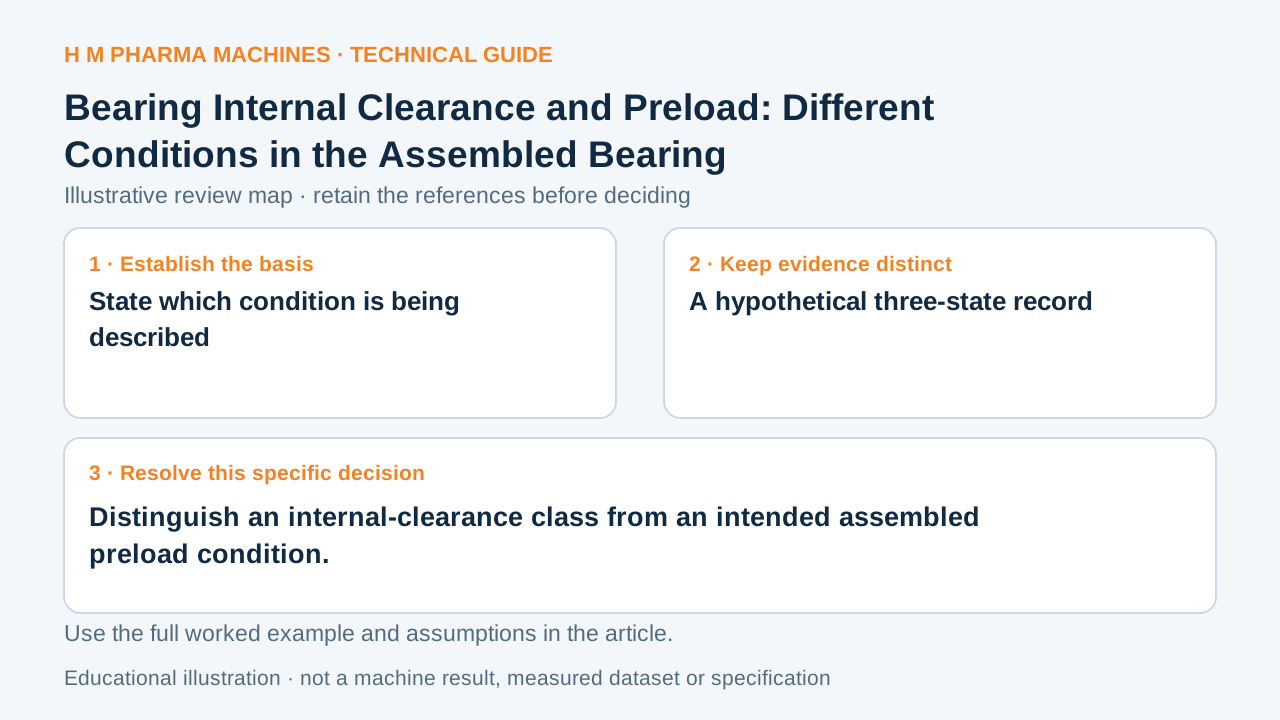
A bearing's unmounted internal clearance is not automatically the condition it has after fitting and operation.
State which condition is being described
Clearance and preload describe different bearing conditions. Assembly fits and operating conditions can affect the resulting state. SKF's preload material treats adjustment as an arrangement-specific question. Primary reference: SKF bearing preload.
A purchase record should distinguish the bearing's supplied designation from the required mounted and operating condition. Calling a bearing loose or tight without the state and method does not produce a useful engineering comparison. The same component designation can participate in different arrangements.
A hypothetical three-state record
In an invented worksheet, Proposal A names a clearance class but omits the installed condition. Proposal B specifies an arrangement-level preload requirement but does not identify the component designation. Neither record is complete. Make three columns: supplied component, assembly target and operating basis. Mark what each proposal answers and what remains unknown.
Do not assign a micrometre reduction or preload force from a generic chart just to fill the blanks. The designer needs the actual fits, arrangement and operating assumptions. The example deliberately contains no adjustment value or HM bearing condition; its output is a request for the missing state definition.
Keep the requirement and verification method together
Ask the responsible designer which document defines the intended condition and how assembly evidence relates to it. Preserve the method and component references as part of the handover record. A replacement with a similar bore and outside diameter may leave the original clearance or preload basis unresolved.
When a shaft, housing or operating duty changes, identify whether the previous arrangement assessment still applies. This review does not prescribe an adjustment procedure. It helps the buyer ask a complete question: which state was specified, under which conditions, and what identified evidence supports it? That question is different from requesting a catalog rating or an isolated dimension.
Customer Questions
Is a clearance-class suffix a complete preload instruction?
No. It identifies a component property; the arrangement's assembled condition requires its own basis.
Can mounted and operating clearance differ?
They can; fits and operating conditions belong in the assessment.
What is the most useful clarification?
Ask which supplied, assembled and operating states the requirement describes and how each is documented.
Primary References
These references support the technical principles discussed in this guide. The worked examples and review questions are educational.
Discuss Your Machine Requirement
Share your product, container, required output and the evidence needed for your technical review.
Request a Technical Review