
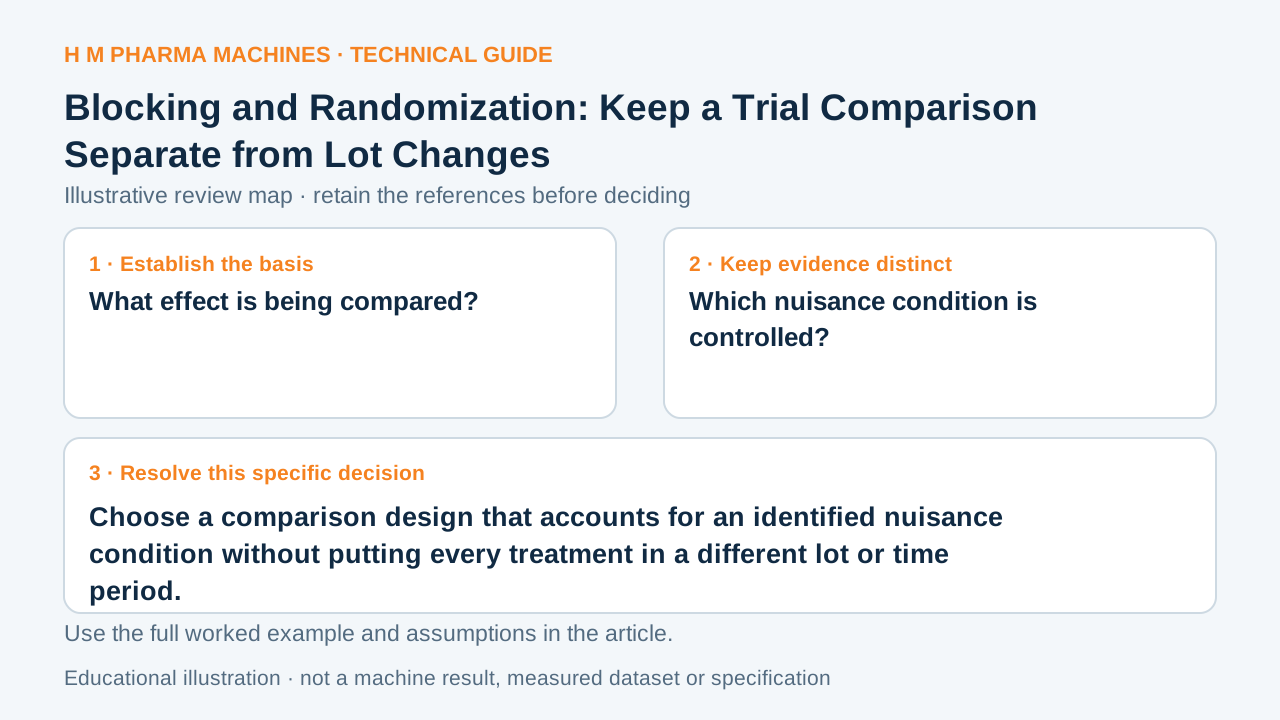
If each setup is tested in a different lot, the comparison may mix setup effects with lot effects.
Two design tools have different roles
Blocking groups experimental work by an identified nuisance condition so treatments can be compared within that group. Randomization varies assignment or order to avoid systematically tying a treatment to uncontrolled conditions. A design should be chosen before the observations are collected and should match the actual factors and operational constraints.
A hypothetical lot comparison
Suppose two approved settings, A and B, are to be compared using two material lots. Testing only A in lot 1 and only B in lot 2 leaves setup and lot inseparable. A balanced within-lot comparison may permit a more useful question, subject to what the process and measurement method allow.
Randomizing an approved order does not authorize unsafe or unapproved combinations. Some factors cannot be freely changed because of cleaning, material quantity or configuration boundaries. Record those constraints and ask the experiment designer to accommodate them rather than describing a constrained sequence as fully random. The scenario is illustrative.
Put the design in the trial brief
List the comparison factor, response, candidate nuisance factors and allowed treatment combinations. Identify what constitutes an independent run, who controls assignment and which observations belong to each block. Keep the actual execution order when the planned sequence changes.
For an equipment enquiry, send both the planned design and deviations alongside the results. The supplier needs to know which comparisons the data can support. If material limitations prevent a balanced design, describe the resulting limitation directly; a neat spreadsheet cannot recover information that the experiment never separated.
Trial discussion worksheet
This blank worksheet is for your own project. It contains no H M machine trial result.
| Review question | Reference or observation to retain |
|---|---|
| What effect is being compared? | Named treatment and response |
| Which nuisance condition is controlled? | Lot, day or other recorded block |
| Which order changes are feasible? | Approved combinations and constraints |
Customer Questions
Does random order fix a completely confounded design?
It cannot create missing within-condition comparisons.
May any machine setting be randomized?
Only approved feasible treatments belong in the design.
What if the planned sequence changes?
Retain actual order and deviations for the analysis.
Primary References
These references support the technical principles discussed in this guide. The worked examples and review questions are educational.
Discuss Your Machine Requirement
Share your product, container, required output and the evidence needed for your technical review.
Request a Technical Review