
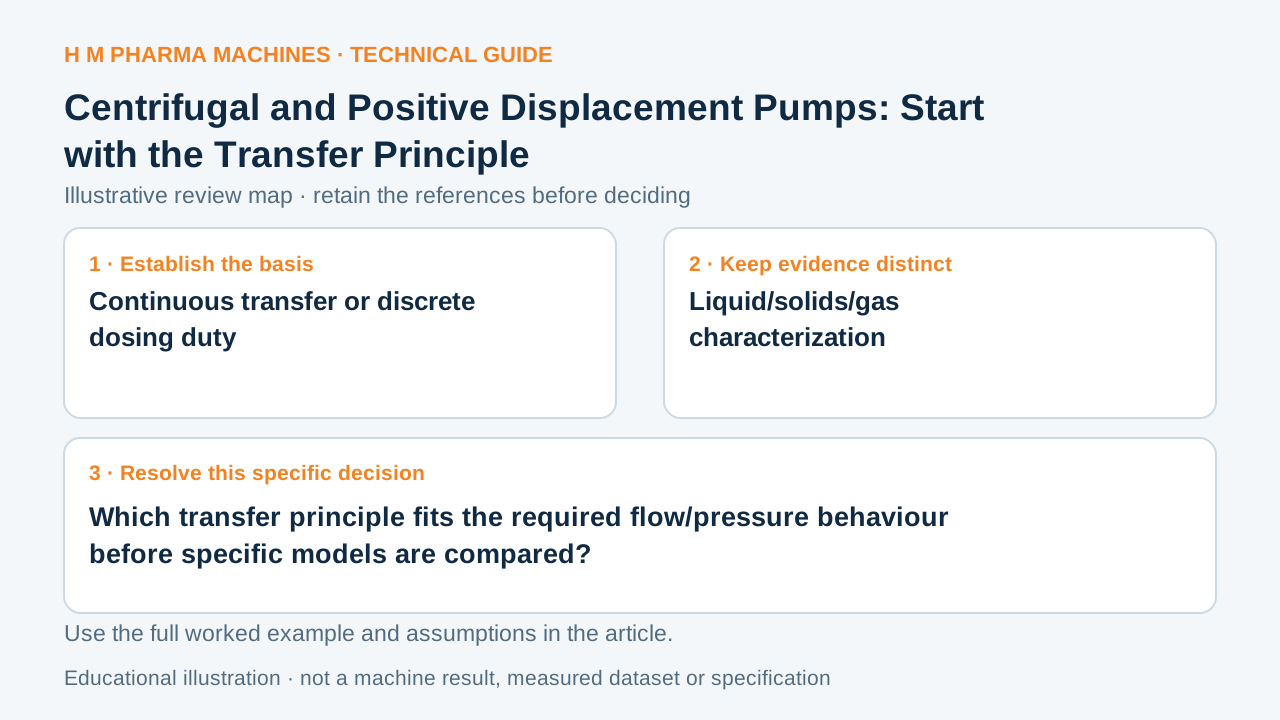
Pump names do not replace an explanation of how energy reaches the liquid and what performance data the proposed duty needs.
Recognize the Mechanism
KSB describes centrifugal pumps as transferring energy through an impeller that deflects fluid flow. Positive displacement pumps instead transfer liquid through changing enclosed working volumes. Gear, piston and peristaltic arrangements are examples within the positive displacement family.
These distinctions explain why one generic head/flow expectation should not be applied to every pumping arrangement. They do not establish suitability from the name alone. Product contact, viscosity, solids, gas, pressure range and control method remain part of a real proposal. KSB primary engineering reference.
Ask the Correct Performance Question
For a centrifugal transfer proposal, ask how the proposed pump curve meets the system curve. For a displacement proposal, ask for its delivered-flow behaviour over the relevant speed, liquid and differential-pressure conditions. Keep those questions distinct from final dose accuracy on a filling machine.
Hypothetical enquiry: one liquid needs continuous vessel transfer, another needs repeated discrete doses. The requests could lead to different performance evidence even if their nominal litres per hour are equal. These invented duties do not select a pump model or define installed HM functions.
Avoid a Name-Based Approval
A liquid-filling equipment page describes an application configuration, not every stand-alone transfer pump option. Ask where the transfer duty ends and where dose control starts. A positive displacement mechanism should not silently become a guarantee of exact volume under all conditions.
Complete the worksheet with duty type, liquid properties and required performance curves. Request the selected product-path and pressure-control scope from the supplier. The result should be a documented shortlist basis, rather than a universal claim that one pump family handles all thick or all thin products. Relevant HM context: Gear Pump Liquid Filling Machine.
Centrifugal and Positive Displacement Pumps: Start with the Transfer Principle — blank review record
This blank worksheet is for your own project. It contains no H M machine trial result.
| Question | Reference or result | Owner/status |
|---|---|---|
| Continuous transfer or discrete dosing duty | To complete | To complete |
| Liquid/solids/gas characterization | To complete | To complete |
| Required performance relationship | To complete | To complete |
| Selected contact/control scope | To complete | To complete |
Customer Questions
Are all positive displacement pumps the same?
No. Their moving elements, flow behaviour and application constraints differ.
Does displacement alone guarantee dose accuracy?
Actual delivered-dose evidence is still required for the selected configuration.
Can this guide choose an installed pump?
It frames the principle comparison; the supplier must assess the actual duty.
Related Equipment References
Review the actual offered equipment and application separately from this educational example.
Primary References
These references support the technical principles discussed in this guide. The worked examples and review questions are educational.
Discuss Your Machine Requirement
Share your product, container, required output and the evidence needed for your technical review.
Request a Technical Review