
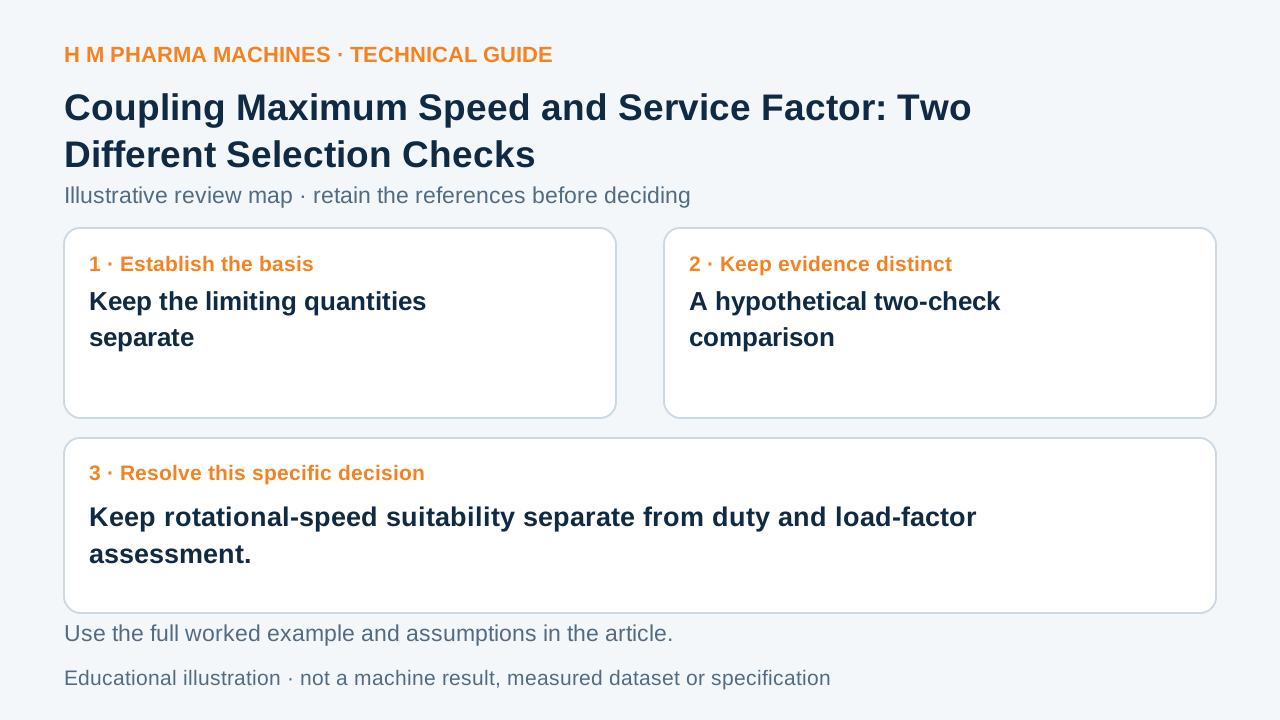
A coupling's maximum RPM does not replace its torque and duty assessment, and a torque rating does not establish permitted speed.
Keep the limiting quantities separate
Ruland lists RPM, torque and service factors among coupling-selection criteria. A complete selection must address the relevant conditions together. Primary reference: Ruland coupling selection criteria.
Record actual speed, torque behavior, reversals and any stated application factor with its definition. Do not compare a static torque figure with a rapidly reversing requirement without confirming the basis. Similarly, a balanced-design description does not erase the identified component's speed limit.
A hypothetical two-check comparison
Imagine a fictional requirement of 3,000 RPM and a defined reversing torque case. Proposal A supplies an adequate speed statement but only a unidirectional static torque rating. Proposal B supplies reversing torque evidence but omits speed suitability. Create separate speed and duty columns, then mark each unresolved entry. Neither proposal becomes complete because its answered column looks generous.
No actual rating, service factor or HM operating speed is recommended by this exercise. The output is a request for the missing basis, including whether simultaneous speed, torque and misalignment conditions are covered.
Use the accepted case for later changes
Retain the specified coupling, the operating case and the manufacturer's calculation or selection reference. If a drive profile gains more starts, changes direction or increases speed, review the applicable duty rather than relying on a component-size match.
For procurement, ask which factor is being applied, what it adjusts and why it is appropriate. A bare number called safety factor can hide different definitions in different offers. This guide helps make a coupling comparison reviewable; it does not choose a universal factor or infer full dynamic suitability from maximum RPM alone.
Customer Questions
Does passing an RPM limit prove torque suitability?
No. The torque and duty basis needs its own assessment.
Are static and reversing torque descriptions interchangeable?
Do not assume that. Use the identified manufacturer's definitions.
What should a service-factor statement explain?
Its definition, what rating it adjusts and the application conditions supporting its use.
Primary References
These references support the technical principles discussed in this guide. The worked examples and review questions are educational.
Discuss Your Machine Requirement
Share your product, container, required output and the evidence needed for your technical review.
Request a Technical Review