
A small difference between two input voltages can coexist with a large voltage relative to the receiver reference.
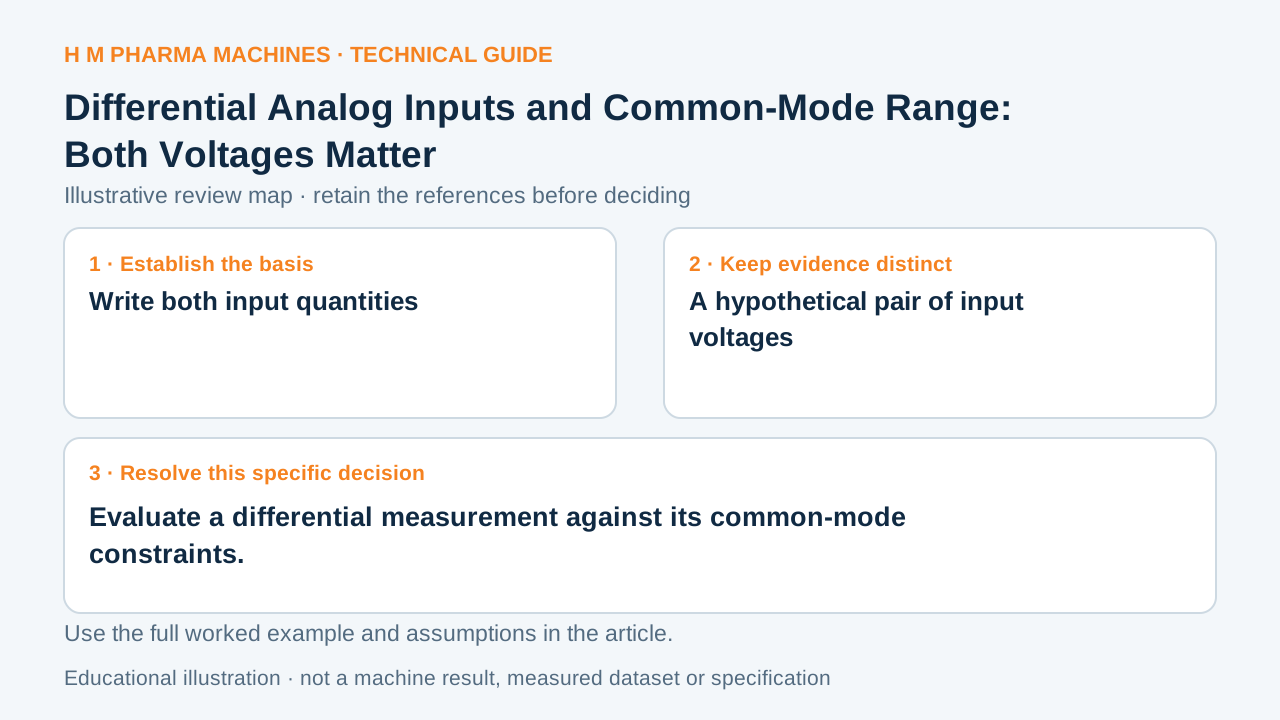
Write both input quantities
Texas Instruments distinguishes differential voltage from common-mode voltage in its difference-amplifier discussion. Input compatibility needs the applicable limits for both. Primary reference: TI common-mode input context.
For a two-input illustration, define differential voltage as V+ minus V− and common-mode voltage as their arithmetic mean, measured relative to the stated receiver reference. Record the receiver architecture, supply condition and applicable input range. A differential range alone leaves the shared voltage level unspecified.
A hypothetical pair of input voltages
Imagine V+ = 12.1 V and V− = 12.0 V relative to the same reference. The differential value is 0.1 V; the common-mode value is 12.05 V. A fictional receiver accepting that differential value but allowing common mode only between 0 V and 10 V has an unresolved compatibility problem. The small difference does not erase the larger shared level.
These values are invented, not TI product limits or HM measurements. Keep columns for both voltages, their common reference, calculated difference, calculated mean and each applicable limit. The arithmetic describes the example; it does not select an amplifier or define permitted terminal connections.
Make the comparison traceable
A proposal should identify the operating condition for each limit, including the relevant input configuration. If supply or reference conditions change, the previous comparison may need review even when the differential signal span remains identical.
Ask which documented receiver envelope covers the full intended input condition. Retain the component reference and the original voltage definitions with the result. This keeps the buyer's decision focused on compatibility evidence rather than treating differential measurement as unlimited rejection of every shared voltage or every interference event.
Customer Questions
Does a small differential signal prove the shared level is acceptable?
No. Check the applicable common-mode range separately.
What reference is needed for the example's common-mode calculation?
Both voltages must use the same stated receiver reference.
Does this example specify a TI input limit?
No. Its receiver limits are hypothetical.
Primary References
These references support the technical principles discussed in this guide. The worked examples and review questions are educational.
Discuss Your Machine Requirement
Share your product, container, required output and the evidence needed for your technical review.
Request a Technical Review