
A stronger material is not automatically a stiffer component under the same elastic load.
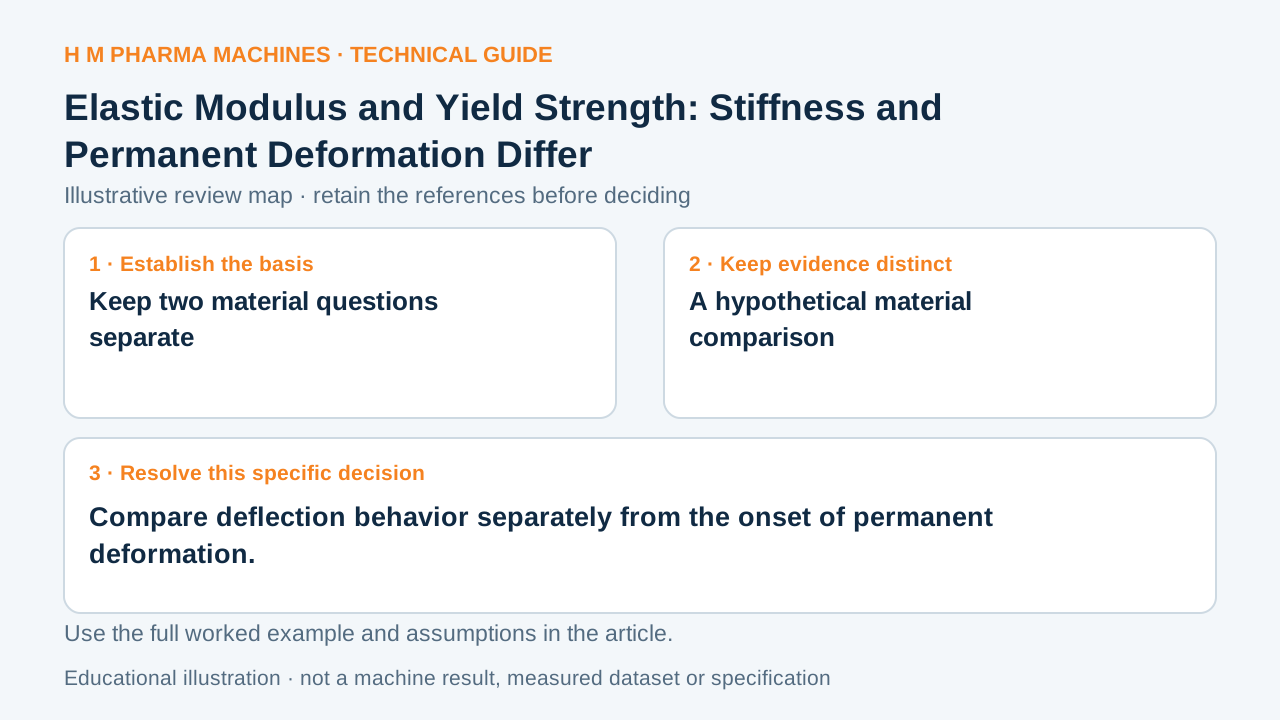
Keep two material questions separate
Instron's tensile-test explanation identifies the elastic slope and yield behavior as different features of a stress–strain record. They answer different questions. Primary reference: Instron tensile testing.
Elastic modulus describes the relevant stiffness relationship within its applicable model. Yield information concerns the defined transition toward permanent deformation. A component's elastic deflection also depends on geometry and loading, so neither property alone is a complete dimensional-performance statement.
A hypothetical material comparison
Assume two fictional materials have equal elastic modulus but different defined yield strengths. In an otherwise unchanged simple elastic model, choosing the higher yield value does not automatically reduce the predicted elastic deflection. It can change a strength-related assessment while leaving that modeled stiffness unchanged.
Prepare separate rows for permitted deflection and the defined strength requirement. Attach the actual geometry and load case to both. The example gives no HM material properties, permitted stress or component rating and does not assert that real materials share these assumed equal moduli.
Request the result needed by the design
If the purchasing concern is alignment under load, ask for the relevant stiffness and geometry assessment. If it is permanent deformation, preserve the chosen material property's definition and the applicable strength basis. Both may matter without being interchangeable.
Keep supplied material condition, temperature context and test references with the property values. A later design or material change should be evaluated against the requirement it affects, rather than being accepted simply because one strength number increases. The guide helps a buyer interpret a proposal while leaving component dimensioning and acceptance to the actual engineering basis.
Customer Questions
Does higher yield strength necessarily reduce elastic deflection?
No. Elastic modulus and geometry govern a different part of the model.
Is modulus alone a component stiffness specification?
No. Loading and geometry also matter.
Should stiffness and strength requirements be recorded separately?
Yes. They answer different design questions.
Primary References
These references support the technical principles discussed in this guide. The worked examples and review questions are educational.
Discuss Your Machine Requirement
Share your product, container, required output and the evidence needed for your technical review.
Request a Technical Review