
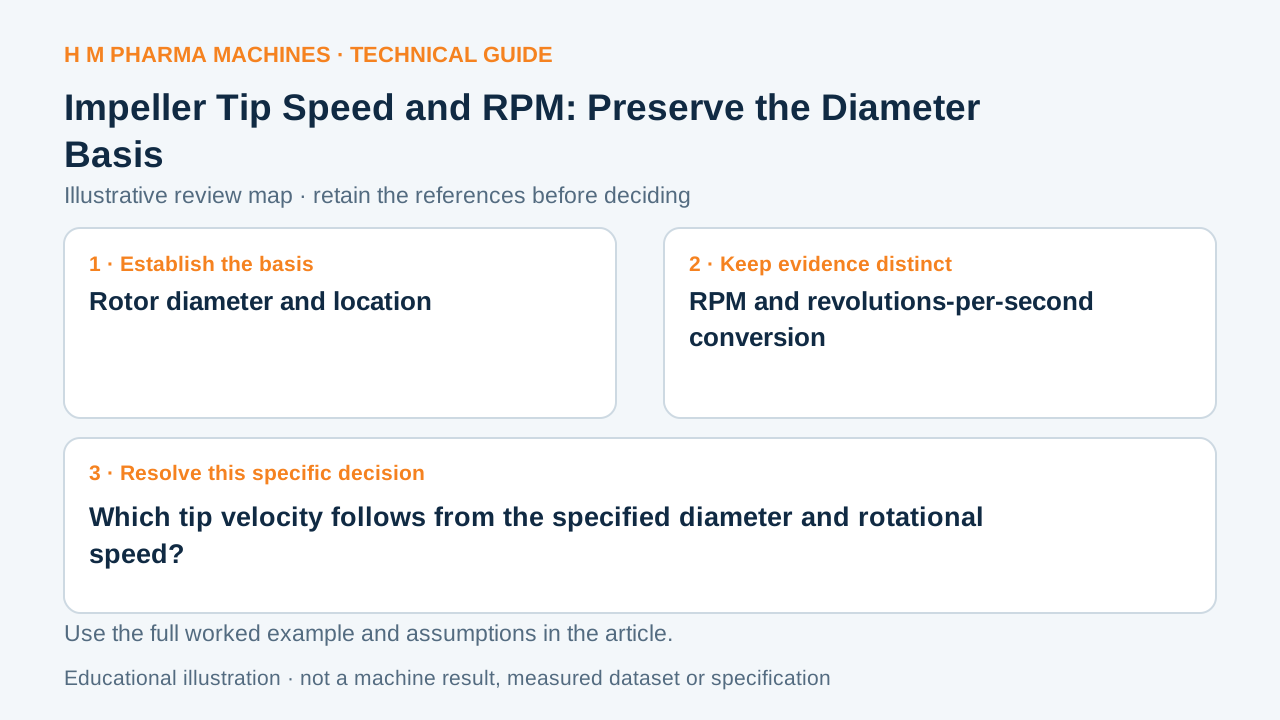
A rotor’s RPM needs its diameter before it becomes a tip velocity. Keep those two inputs together in a scale comparison.
Define the Process Model
Tip speed is πDN when D is diameter and N is revolutions per second. Ross’s disperser discussion writes the equivalent diameter-and-RPM relationship in its chosen units. Equal rotational speed does not imply equal tip speed when the diameter changes, and equal tip speed does not establish equal bulk circulation.
Compare a Hypothetical Case
For an invented rotor of diameter 0.10 m rotating at 600 rpm, N is 10/s and tip speed is about 3.142 m/s. A 0.20 m rotor at 300 rpm has the same tip speed. At 600 rpm that larger rotor would have approximately 6.283 m/s. These numbers describe geometry and motion, not selected machine operating speeds.
Complete the Engineering Review
Put diameter, speed units and calculated tip speed in the same comparison row. If a supplier provides a speed range, identify which rotor or blade diameter belongs to it. Keep gap geometry and process outcome beside any scale-up assertion; an identical tip velocity can accompany a different clearance, flow path or mixing-power density.
For an ointment-manufacturing project, obtain the actual offered agitator geometry and process evidence. This guide does not transfer Ross operating recommendations to HM equipment. Use the arithmetic to normalize a proposal, then assess the selected mixer’s mechanical and process envelope.
Which tip velocity follows from the specified diameter and rotational speed?
This blank worksheet is for your own project. It contains no H M machine trial result.
| Review field | Reference or result | Responsible person |
|---|---|---|
| Rotor diameter and location | To complete | To complete |
| RPM and revolutions-per-second conversion | To complete | To complete |
| Calculated tip velocity | To complete | To complete |
| Separate clearance and process-outcome basis | To complete | To complete |
Customer Questions
Does equal RPM mean equal tip speed?
Only when the relevant diameters match.
Can equal tip speed prove equal shear everywhere?
The geometry and local flow also matter.
Should the example speed be used on equipment?
Use the selected machine’s documented envelope.
Related Equipment References
Review the actual offered equipment and application separately from this educational example.
Primary References
These references support the technical principles discussed in this guide. The worked examples and review questions are educational.
Discuss Your Machine Requirement
Share your product, container, required output and the evidence needed for your technical review.
Request a Technical Review