
In This Guide
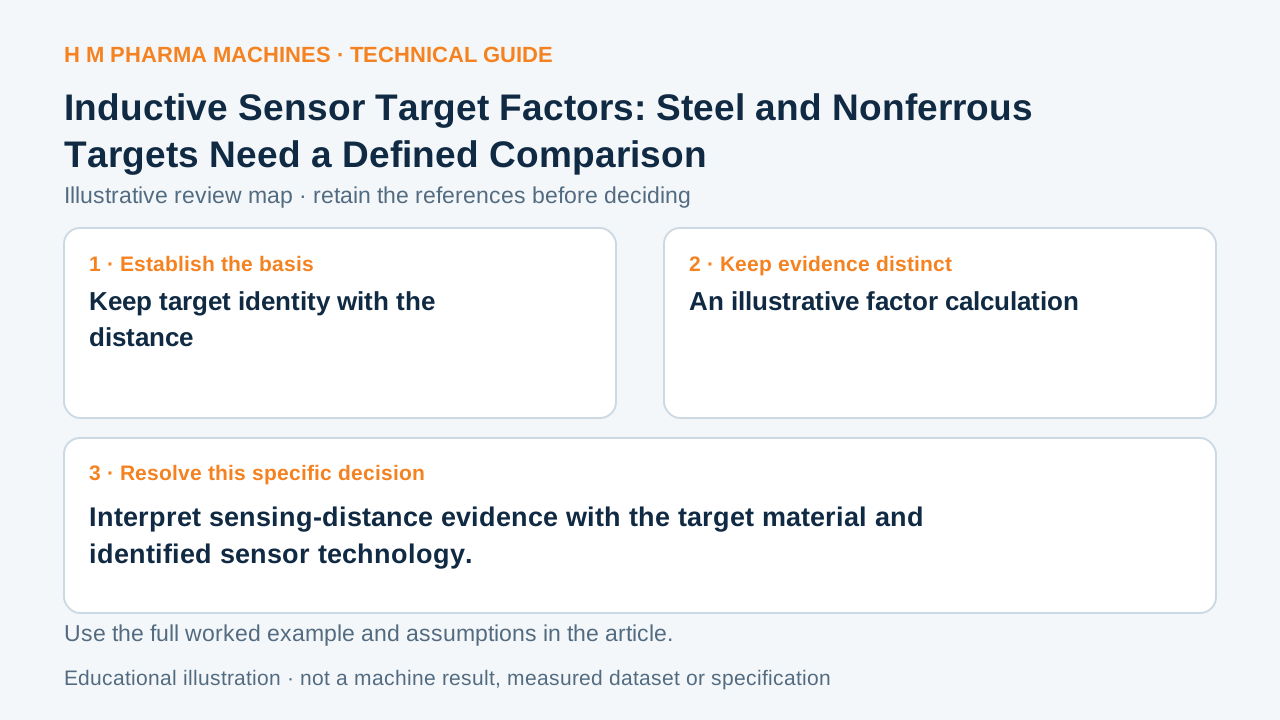
Compare an inductive range with the actual target material and the selected sensor’s reduction-factor basis.
Keep target identity with the distance
Pepperl+Fuchs explains that target materials can change an inductive sensor’s operating distance, with a reduction factor tied to the actual sensor. A nominal distance is not every metal’s guaranteed range. Primary reference: operating distance and target material.
Do not copy a generic metal-factor table into a purchase specification. The selected product, reference target and distance definition must remain identifiable. Target size and geometry also belong to the supplier assessment.
An illustrative factor calculation
Assume a fictional comparison lists a reference distance of 8 mm and an explicitly applicable material factor of 0.5. Multiplication gives 4 mm on that stated basis. It does not establish assured switching distance, installation tolerance or permitted dynamic gap; those are separate product-specific definitions.
A second proposed sensor might have different material compensation, so applying the first factor to it would be an unsupported transfer. Write both model identities and factor sources beside the calculation. Mark the values as hypothetical until the real selected component evidence replaces them.
Review the intended target
Record alloy or material identification, target dimensions, approach path and the actual distance quantity needed by the application. Ask whether the supplier’s reference describes nominal, effective or assured behavior before comparing numbers from different offers.
This review distinguishes material response from a bracket-clearance problem and from electrical input wiring. No example distance establishes an HM detection function. Preserve a changed target with the proposal so an apparently identical metal part does not silently inherit an earlier assessment.
Customer Questions
Is one factor valid for every sensor?
Use the selected product’s basis.
Does 8 mm times 0.5 prove an assured 4 mm gap?
The computed reference is not an assured-gap assessment.
What changes when the target changes?
Revisit material and geometric response evidence.
Primary References
These references support the technical principles discussed in this guide. The worked examples and review questions are educational.
Discuss Your Machine Requirement
Share your product, container, required output and the evidence needed for your technical review.
Request a Technical Review