
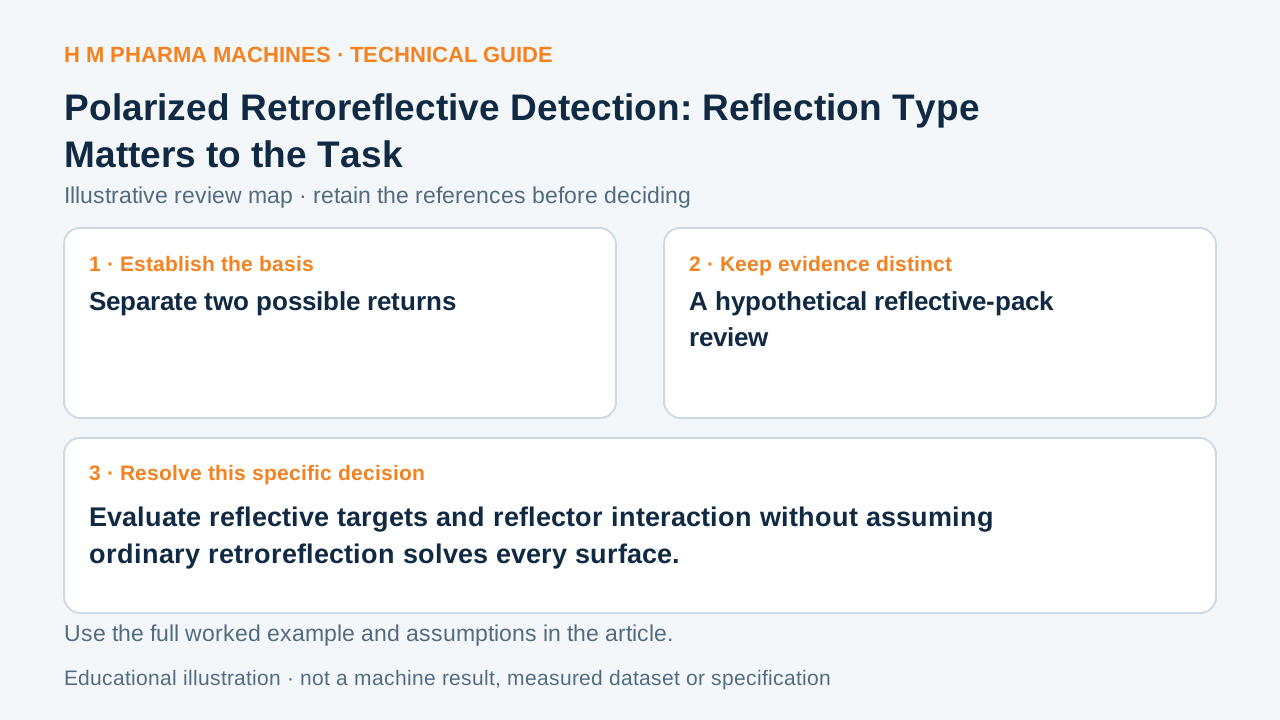
Keep the reflector and polarization path visible when reflective packs are assessed with a retroreflective sensor.
Separate two possible returns
ifm explains polarized retroreflective sensing as distinguishing the reflector’s polarization behavior from a reflective object’s return. The reflector and optical arrangement matter. Primary reference: polarized retroreflective principle.
A shiny surface can return substantial light without behaving like the intended reflector. Asking only whether the received signal is bright misses this distinction. This principle is not a universal promise for every mirrored, clear or curved sample.
A hypothetical reflective-pack review
Imagine a proposed pack has a bright metallic patch that sometimes faces the detector. Create separate rows for the intended reflector return and the pack’s own return. The requirement is to discriminate the relevant interrupted path, not merely to observe high brightness.
Keep the selected reflector identity, target surface variations and geometry with each proposed observation. A trial using a plain matte sample would not settle the shiny-patch question. An unrelated camera image with reduced glare also would not establish the binary sensor’s switching behavior.
Ask for the complete optical assessment
Record which target event should activate the output and which competing returns must be rejected. Request component-specific evidence for the offered sensor/reflector pair and representative samples. Leave unresolved clear-material or unusual-reflection behavior visible in the acceptance discussion.
If either the reflector or packaging finish changes, reassess the pair rather than carrying a generic polarized label forward. This guide describes a supplier-agnostic presence-detection distinction. It sets no optical alignment procedure and claims no installed HM sensor, switching margin or guaranteed reflective-pack performance.
Customer Questions
Is brightness alone the deciding distinction?
Polarization behavior also matters.
Is every reflector equivalent?
Keep the selected reflector evidence.
Does polarized guarantee every shiny pack?
Assess the actual optical pair and samples.
Primary References
These references support the technical principles discussed in this guide. The worked examples and review questions are educational.
Discuss Your Machine Requirement
Share your product, container, required output and the evidence needed for your technical review.
Request a Technical Review