
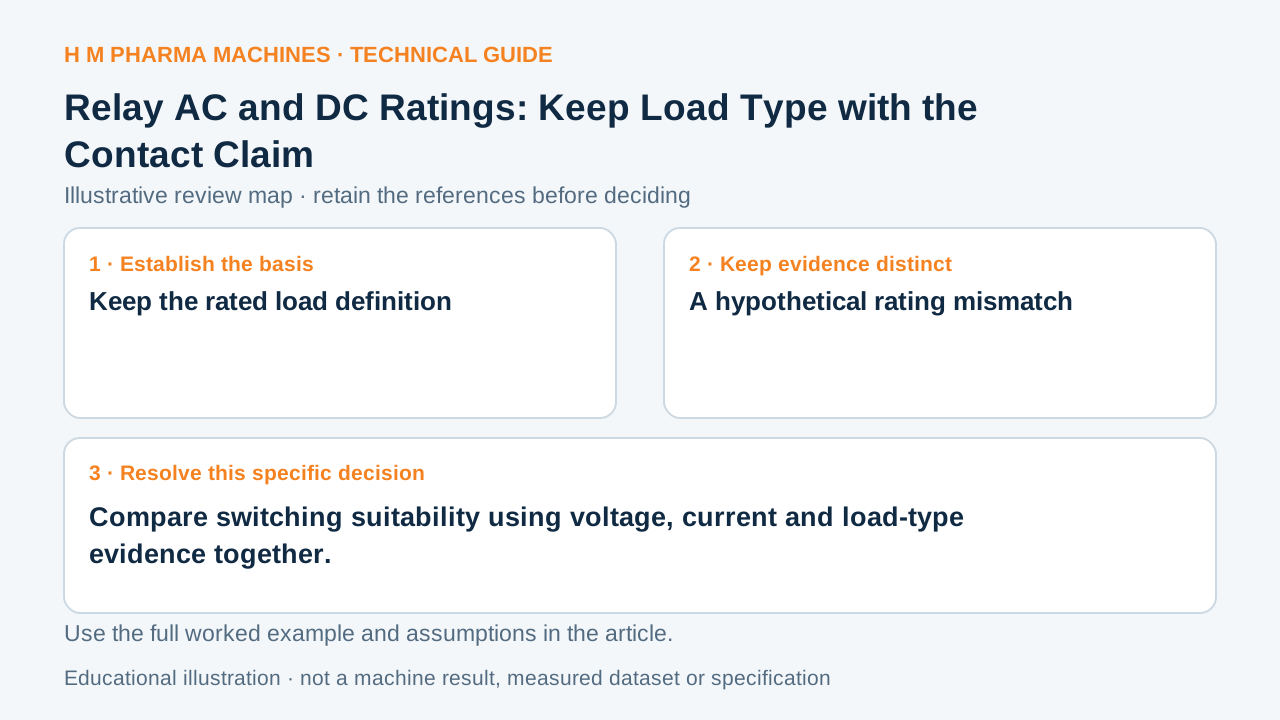
A relay current label needs voltage and load context before it becomes a useful switching comparison.
Keep the rated load definition
Omron distinguishes inductive AC load through power-factor context and inductive DC load through its time-constant context. A rated load should retain its actual definition. Primary reference: Omron relay rated loads.
Record contact voltage, current, AC/DC condition, load type and the manufacturer's applicable rating. A resistive-load figure should not be silently used for an inductive duty, and equal current values at different voltage conditions do not establish equal switching suitability.
A hypothetical rating mismatch
Imagine a fictional relay offer highlighting a stated 5 A resistive AC rating. The application review concerns a defined DC inductive load. Copying 5 A into that application's acceptance row would omit both the voltage and load-type distinctions. Mark the offered rating for its stated condition and request the actual applicable evidence.
Prepare columns for offered rating, relevant application condition, source reference and responsible compatibility decision. The current is invented, not an HM contact rating or a quoted Omron value. It selects no relay and establishes no permitted load.
Preserve switching and life questions
Ask which operating frequency, contact arrangement and required evidence the actual duty needs. A capacity statement at one condition does not by itself establish the intended contact life or every transient condition.
Keep the accepted relay designation and load basis with the circuit record. If the connected load changes, review applicability rather than relying on a previous nominal ampere figure. This guide supports a condition-aware rating comparison without prescribing protection components, copying a switching-life table or treating an AC contact label as a complete DC application qualification.
Customer Questions
Can a resistive rating answer every inductive duty?
No. Preserve the actual load-type basis.
Does equal current prove equal AC/DC suitability?
No. Voltage and switching conditions matter.
Does a rating alone guarantee contact life?
No. Life evidence has its own application conditions.
Primary References
These references support the technical principles discussed in this guide. The worked examples and review questions are educational.
Discuss Your Machine Requirement
Share your product, container, required output and the evidence needed for your technical review.
Request a Technical Review