
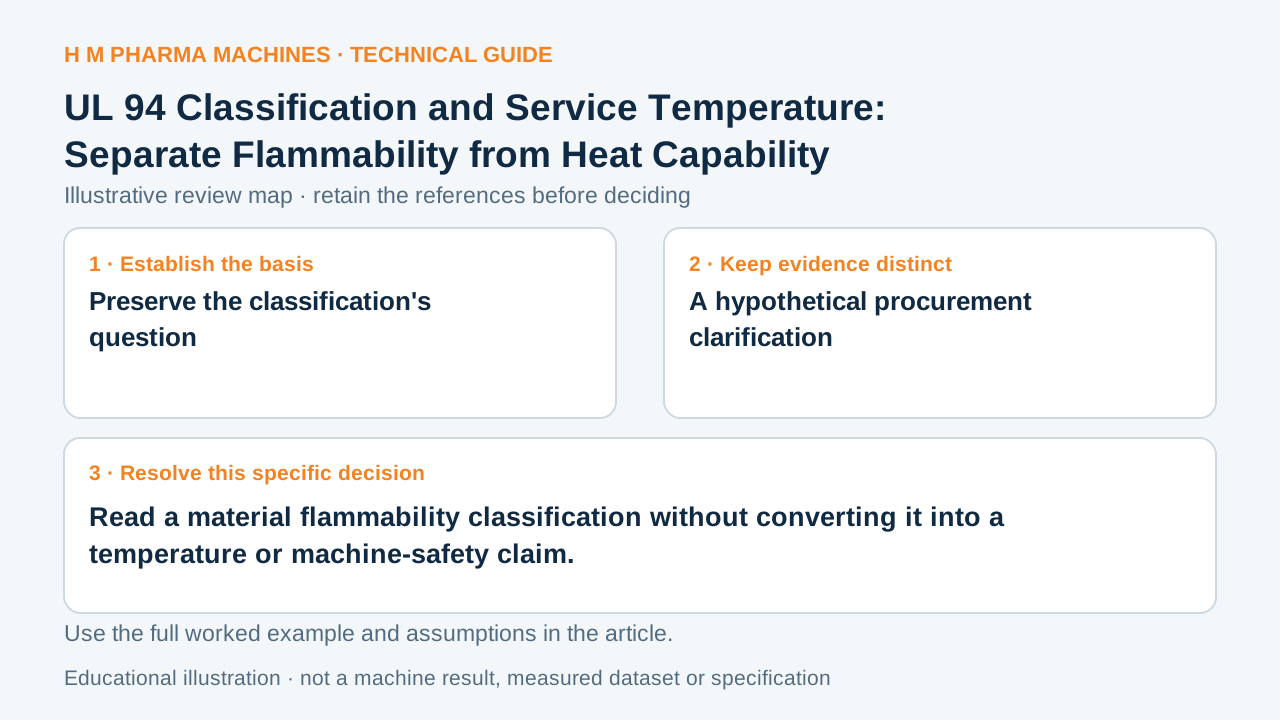
A plastics flammability classification is not a universal service-temperature rating.
Preserve the classification's question
UL lists UL94 as tests for flammability of plastic materials used in devices and appliances. Other material characteristics require their own evaluation basis. Primary reference: UL plastics standards.
Retain the identified material grade, classification conditions and applicable thickness information. Do not convert the flammability label into a temperature at which the finished part may operate continuously. The actual assembly and exposure may have separate requirements beyond the material test.
A hypothetical procurement clarification
Imagine a fictional housing offer reporting a named UL94 classification but giving no applicable long-term thermal-use information. The RFQ also states a hot operating environment. Enter the classification under flammability evidence and mark the thermal requirement as a separate unresolved field. A successful answer to one field does not fill the other.
Prepare rows for material identity, relevant classification basis, part thickness, thermal evidence and assembled-product requirement. The example identifies no HM housing or certification, selects no classification and supplies no permitted operating temperature.
Keep the complete design review visible
Ask the responsible designer which material and equipment requirements apply to the proposed component. Preserve the actual documentation instead of using a catalog icon as a complete machine-safety statement.
If thickness, material grade or formulation changes, review whether the earlier classification evidence still represents the supplied part. The guide supports correct label interpretation and purchasing records; it reproduces no flammability-test procedure and does not assert that a classified polymer makes an entire machine certified, prevents every fire scenario or defines its own continuous-use temperature. Those conclusions require their appropriate separate evidence and scope.
Customer Questions
Does UL94 specify continuous-use temperature?
It addresses a different material test scope; retain thermal evidence separately.
Does a material classification certify the entire machine?
No. The assembled equipment has its own applicable evaluation scope.
Can a thickness change be ignored?
No. Preserve the classification's applicable material and thickness basis.
Primary References
These references support the technical principles discussed in this guide. The worked examples and review questions are educational.
Discuss Your Machine Requirement
Share your product, container, required output and the evidence needed for your technical review.
Request a Technical Review