
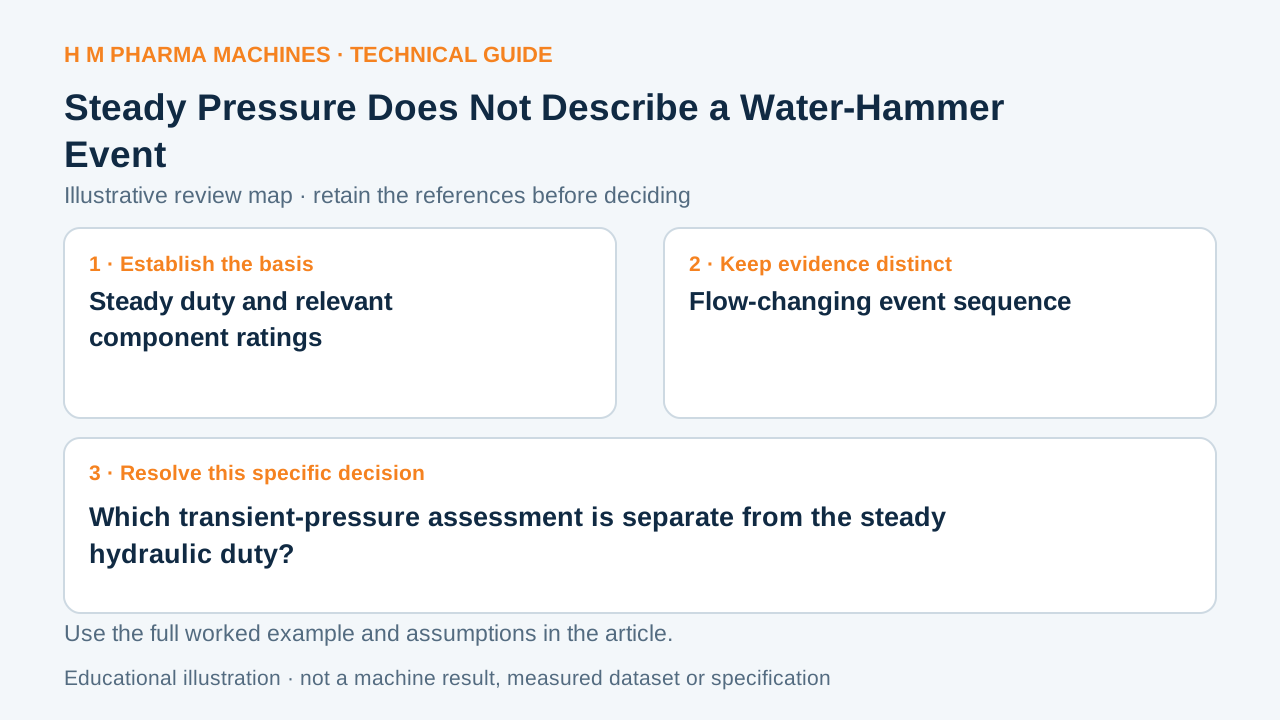
A satisfactory steady pressure reading does not describe the pressure envelope during rapid changes in flow.
Identify the Physical Basis
KSB’s water-hammer definition identifies severe pressure surges associated with fluid-column events or a valve closing too quickly. A steady hydraulic calculation and a transient assessment answer different questions. The steady value describes a settled condition; a transient can include short peaks, dips and propagation along the line.
Work Through an Example
Consider a hypothetical record showing 3 bar before a valve event, a brief 6 bar peak and a later return to 3 bar. A dashboard that logs one settled value every minute may still report 3 bar throughout. The missing peak would not prove that the event was harmless. Conversely, this invented timeline does not predict a surge or establish an acceptable pressure for any actual component.
Use the Result in the Review
List the events that change flow: a valve movement, pump trip, start, stop or loss of supply. Record the event sequence and available time-resolved measurements with sensor position and range. Ask whether the route’s pressure-rating review included those events and the relevant component response. Where the event is unresolved, keep the steady calculation and the transient question as separate records instead of adding an unexplained safety percentage.
For transfer associated with a storage tank, supply the connected route and control sequence for engineering review. A steady pump head or vessel rating alone does not describe the whole transient system. The appropriate analysis and any change to valves or protection must be defined for the selected installation.
Which transient-pressure assessment is separate from the steady hydraulic duty?
This blank worksheet is for your own project. It contains no H M machine trial result.
| Review field | Reference or result | Responsible person |
|---|---|---|
| Steady duty and relevant component ratings | To complete | To complete |
| Flow-changing event sequence | To complete | To complete |
| Time-resolved pressure evidence and location | To complete | To complete |
| Supplier-reviewed transient pressure envelope | To complete | To complete |
Customer Questions
Can a one-minute average reveal every surge?
No. Short events may be missed or averaged away.
Does water hammer require an unusually high steady pressure?
A rapid change can create a transient even from a normal steady duty.
Can I select a remedy from the peak alone?
No. The event, route and component behaviour need a defined assessment.
Related Equipment References
Review the actual offered equipment and application separately from this educational example.
Primary References
These references support the technical principles discussed in this guide. The worked examples and review questions are educational.
Discuss Your Machine Requirement
Share your product, container, required output and the evidence needed for your technical review.
Request a Technical Review