
Write the intended use before the feature name
An optional-feature list is easier to review when each item begins with its purpose. Write the problem or decision the buyer wants the feature to address before choosing a device name. A request for an indicator, inspection function or record should explain who will use its output and what action that person needs to take.
Keep that purpose separate from an assumed technical solution. The supplier can then explain what is offered for the selected configuration, which information is required and what remains outside scope. A catalog category or another machine’s demonstration does not establish availability of the same option on the machine being quoted.
Separate a required result from a suggested device
Describe the intended result in terms the buyer can review. Separate noticing a condition, making a measurement, storing a record and acting on a decision. They are different requested functions even when a proposal uses one broad feature name. Do not allow an attractive label to stand in for an unexplained acceptance question.
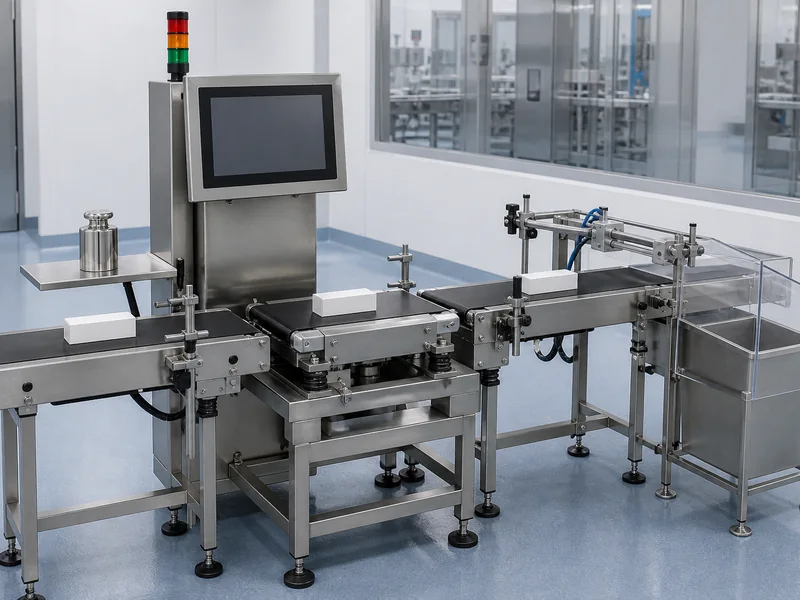
The inspection and weight-checking guide illustrates why different checks have different evidence boundaries. Use that distinction to define the requested purpose; it does not mean an unquoted device can detect every mistake or provide every record the buyer might want.
Identify the output or operator decision the option supports
Identify the output required and the person or system that receives it. Ask whether the proposal concerns a display, a recorded value, a signal or another specifically described result. Keep information that the buyer needs separate from a feature the supplier has not agreed to supply.
Where an output is expected to trigger an action, name the owner of that action and the relevant machine or site boundary. A requested message is not automatically a supplied rejection function, and a measured value is not automatically retained data. Record the supplier’s actual response instead of extending the scope through assumptions.
Trace the requested result through to its intended use. If an operator needs to investigate a condition, specify the information that helps that investigation. If another machine must respond, identify the receiving boundary as a separate scope question. Do not assume that a local indication includes communication with neighbouring equipment.
Make the review owner explicit. Procurement can record the supplied item, but the person responsible for the intended use should confirm whether the proposed evidence answers the original question. If it does not, clarify the requirement or reconsider the option instead of accepting a feature solely because its name appears on the offer.
Ask how the selected capability will be demonstrated
Ask how the selected function will be demonstrated. Define the meaningful example or challenge and the evidence that would answer the original buyer question. Keep the method tied to the proposed configuration and available samples. Do not write an expected result as though it has already been observed.
For print-related requests, the rewinding and coding guide supplies useful setup questions. A requested coding or checking function still needs its own scope response. The review should establish what is actually supplied, what the demonstration shows and which questions remain open.
Use an option justification record without assuming availability
Complete an option decision record before adding the item to confirmed scope. Link the intended outcome, supplier response, required output and review evidence. Record an exclusion or an unavailable function honestly; adding an undefined feature name to a purchase list does not resolve the requirement.
Keep the approved option reference with the returned offer, using the quotation guide for the broader scope comparison. If the purpose or proposed solution changes, revisit this record. It is a way to justify a specific requested function, not a promise of capability, guaranteed savings or automatic acceptance.
Blank planning worksheet — complete it with your own references. No observations or results are supplied.
| requested outcome | proposed option | required output | operator action | test evidence | interface owner | availability confirmation |
|---|---|---|---|---|---|---|
| To complete | To complete | To complete | To complete | To complete | To complete | To complete |
Buyer Questions
Should the buyer specify a device or the intended result?
Describe the intended result and any genuine constraints first. If a device is requested, keep its purpose explicit and ask the supplier to confirm the selected availability and scope rather than assume the name defines the whole function.
Does a displayed result imply stored or exported records?
No such capability should be inferred. Request the actual output, retention or interface deliverable you need and keep the supplier’s written response with the selected configuration.
When is an option ready to enter confirmed scope?
When its purpose, supplied function, output, ownership and review basis are sufficiently defined for the actual offer. Keep pending questions or exclusions visible instead of treating a feature-list entry as evidence of performance.
Related Equipment and Guides
Primary References
Review these published machine and support pages alongside the approved configuration, actual samples and project documents.
Discuss Your Machine Requirement
Share the machine duty, actual samples, required result and relevant site information with H M Pharma Machines for a technical review.
Request a Technical Review