
In This Guide
- Describe the Event Before Naming a Cause
- Preserve the Exact Assembly Identity
- Build a Timeline of Use and Changes
- Keep Condition Evidence Safe and Traceable
- Use an Event-to-Replacement Worksheet
- Compare the Replacement Without Erasing the Original Event
- Customer Questions
- Product References
- Discuss Your Requirement
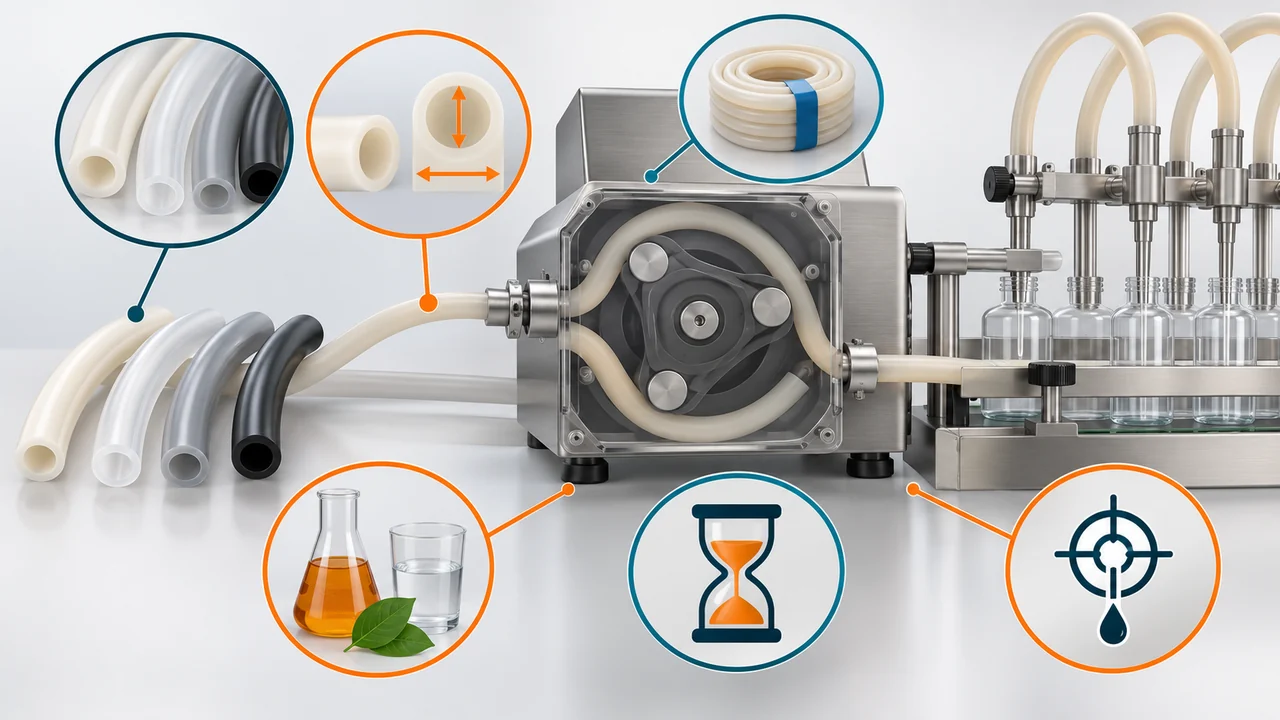
A tubing set removed earlier than expected creates a service question as well as a replacement task. If the only record says new tubing fitted, the useful evidence may disappear with the old assembly. Preserve the identity, timeline and observed condition so the supplier can review why this particular set was removed, without treating a photograph or a changed dose as proof of one cause.
Separate the removal decision from the suspected cause. Record the tubing and channel identities, the first observed change, relevant use and product history, and what was altered afterward. Follow the approved replacement and checking procedures, then keep the removed-set record and the new-set observations linked.
Describe the Event Before Naming a Cause
Begin with what the team actually noticed: a visible condition, a connection concern, a changed filling result or another reported observation. Record when it was first seen, which channel was involved and whether other channels showed the same pattern. Keep these observations distinct from explanations proposed during the discussion.
Early removal does not establish a material defect, an installation error or product incompatibility. Mark those ideas as questions for review. Identify the instruction or authorized decision that led to removal, and avoid continuing to use a questionable assembly merely to collect more evidence.
Preserve the Exact Assembly Identity
Record the approved tubing reference and the identity of the set that was actually installed. Include the supplier or lot reference where available, the machine and pump position, and the assembly reference for fittings and the nozzle. Note missing information rather than filling a gap with the description of the replacement set.
A later reviewer needs to know whether the removed set matched the approved reference. If a substitution or changed component was used, disclose it in the record. Do not infer equivalence from apparent bore or physical fit; request review of the relevant specification and exposure.
Build a Timeline of Use and Changes
Connect installation, product runs, cleaning or storage events and the first reported concern in one timeline. Use the records that actually exist, identifying estimates or missing periods clearly. Record relevant changes to product, setup or associated connections that occurred before the observation.
Do not invent a universal expected life to decide whether the set failed early. Explain what early means in this case, such as removal before the site's planned change or a difference from its available history. The supplier can then interpret that history against the selected tubing, machine and operating duty.
Keep Condition Evidence Safe and Traceable
Retain useful photographs and an assembly-location reference under the site's approved procedures. If access is required, the equipment state and authorized personnel must follow the machine instructions. A picture taken after removal should be identified as an after-removal observation, not presented as the exact condition during operation.
Ask the supplier what further evidence is appropriate before handling or sending a removed component. Product-exposed parts need the site's approved handling and disposal arrangements. Do not stretch, cut or otherwise alter the assembly simply to create a diagnostic example; record any examination already performed.
Use an Event-to-Replacement Worksheet
This blank worksheet supports a service review. It contains no diagnosed cause, measured result or promised tubing life.
| Evidence field | Information to record |
|---|---|
| Event | Observed change, time and affected channel |
| Removed set | Approved reference, installed identity and missing records |
| Timeline | Use, product, cleaning and relevant setup changes |
| Condition evidence | Photo reference, equipment state and examination performed |
| Removal decision | Instruction or authorized decision reference |
| Replacement check | New identity, procedure and identified observations |
| Service conclusion | Confirmed finding, open question and follow-up owner |
Compare the Replacement Without Erasing the Original Event
Follow the supplied replacement, setup and verification procedures. Keep the new tubing identity and resulting filling observations with the original event record. If several settings or feed components changed at the same time, list them; an improved result alone may not show which change mattered.
For purchase-stage tubing identity, replacement scope and recalibration planning, use the broader peristaltic tubing lifecycle guide. This service record addresses an unexpected removal after use. Send the linked records to H M Pharma Machines and retain the reviewed finding separately from any question still awaiting evidence.
Customer Questions
Does unexpected early removal prove that the tubing material was faulty?
No. Record the actual observation, assembly identity and relevant history. A cause requires review of that evidence against the approved application.
Should an old set be kept or sent to the supplier automatically?
Follow the site's approved handling and disposal arrangements and ask which evidence the supplier needs. Do not send product-exposed components without an agreed approach.
Does a better result after replacement identify the original cause?
Not by itself. Preserve other changes made during replacement and keep confirmed findings separate from unresolved explanations.
Product References and Further Details
These pages describe published equipment arrangements. Review the supplied machine, actual materials and agreed operating requirements when applying the guide.
Discuss Your Machine Requirement
Share your product, container or closure samples, required output, process conditions and line layout with H M Pharma Machines for a technical review.
Request a Technical Review