ESTABLISHED 2012 ยท AHMEDABAD, INDIA☎ +91 97379 73334✉ info@hmpharmamachines.com
Automatic Liquid Dosing & Filling System

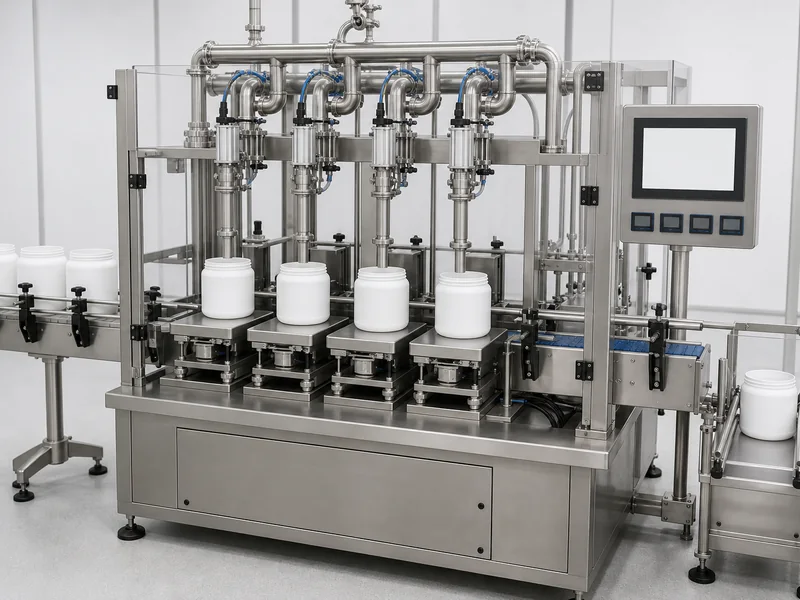
Automatic Load Cell Liquid Filling Machine

For approved bottles, jars, cans or pails with compatible liquids, with conveyor or platform positioning on individual weighing stations.

Suitable for
Approved bottles, jars, cans or pails with compatible liquids
Method
Electronic net-weight filling
Output
Confirm rate for the approved liquid, fill volume, container and operating conditions.
Format range
Fill-volume and container ranges are confirmed in the approved machine datasheet.
AI-generated conceptual visualization of Automatic Load Cell Liquid Filling Machine; final machine configuration may vary
AI-generated conceptual visualization of this machine. Final configuration may vary by approved project scope.
GMP-Oriented EngineeringApplication-Matched DesignInstallation SupportAfter-Sales Service

Machine overview

Automatic Liquid Filling Machine Manufacturer in India

H M Pharma Machines manufactures the Automatic Load Cell Liquid Filling Machine in Ahmedabad, Gujarat, India for pharmaceutical, nutraceutical, cosmetic, food, chemical and allied production applications.

The Automatic Load Cell Liquid Filling Machine uses conveyor or platform positioning on individual weighing stations for container and product flow. Its approved process completes when accepted containers discharge; reject handling can be integrated.

Detailed engineering for the Automatic Load Cell Liquid Filling Machine aligns recipe, tare, coarse/fine flow and weight-tolerance control with the approved application, target output, utility schedule and final line layout before the GA drawing is released.

Why this machine

Why Choose the Automatic Load Cell Liquid Filling Machine

01

Electronic net-weight filling

The Automatic Load Cell Liquid Filling Machine is intended for approved bottles, jars, cans or pails with compatible liquids; performance is assessed against the output and acceptance criteria stated for the approved configuration.

02

Controlled Product Handling

Conveyor or platform positioning on individual weighing stations.

03

Application-Matched Controls

Recipe, tare, coarse/fine flow and weight-tolerance control.

04

GMP-Oriented Engineering

For the Automatic Load Cell Liquid Filling Machine, the materials and cleanability review follows this product-contact requirement: Product-contact materials, seals, tubing, valves and surface finish are matched to the product and cleaning method in the approved scope.

05

Efficient Format Changeover

Container changeover covers weighing-station positioning, bottle guides, nozzle setup and the tare, coarse-fill, fine-fill and tolerance recipe.

06

Production-Line Integration

Accepted containers discharge; reject handling can be integrated.

Operating process

How the Automatic Load Cell Liquid Filling Machine Works

The machine weighs each empty container, calculates the net product added during coarse and fine filling, and stops delivery when the programmed target weight is reached.

Step 01

Container Placement on Load Cells

Each empty container is conveyed or placed onto an individual weighing station beneath its filling nozzle.

Step 02

Automatic Tare Capture

The control system records the empty-container weight so subsequent readings represent only the net product being filled.

Step 03

Coarse and Fine Weight Filling

Product is delivered rapidly during the coarse stage and then slowed for fine filling as the live load-cell reading approaches the target.

Step 04

Weight Confirmation and Outfeed

Flow stops at the accepted net weight, and the filled container is released for downstream handling or configured rejection.

Applications & selection

Built Around Your Product and Production Line

Pharmaceutical liquids and syrups

Pharmaceutical liquids and syrups are filled to a net-weight target after container tare variation, product density and acceptance limits are established.

Nutraceutical preparations

Nutraceutical preparations can use coarse-and-fine weight filling where live load-cell feedback suits the approved container and target quantity.

Cosmetic and personal-care liquids

Cosmetic and personal-care products are evaluated for viscosity, tail-off and settling time so the final weight can stabilize within the required tolerance.

Food and beverage products

Food and beverage products can be dosed by weight when hygienic product-contact parts and the site's cleaning procedure are included in the design.

Oils, chemicals and agrochemicals

Oils, chemicals and agrochemicals require compatible wetted materials plus a filling profile selected for product flow and container stability.

Standalone or integrated bottling lines

The load-cell filler can coordinate container transfer with product supply, closure, labeling and configured reject or verification equipment.

Configuration review

Review a configuration for your application

Share these details so we can review a proposed configuration datasheet. Model and operating limits are confirmed for the selected application.

  • Product and target net fill weight
  • Container size and empty-container weight if known
  • Required output and settling or foaming behaviour if known

This starts a technical inquiry. The approved quotation and datasheet define the supplied configuration.

Technical details

Automatic Load Cell Liquid Filling Machine Specifications

Net WeightElectronic filling basis
Automatic TareEmpty-container compensation
Coarse / FineControlled filling sequence
Bottles to PailsApproved container selection
Application & Operating Configuration
MachineAutomatic Load Cell Liquid Filling Machine
CategoryLiquid Filling Machines
Suitable ForApproved bottles, jars, cans or pails with compatible liquids
Working PrincipleThe empty container is tared on a load cell, filled at coarse rate and then fine rate, and stopped when the target net weight is reached.
Infeed / HandlingConveyor or platform positioning on individual weighing stations
Outfeed / TransferAccepted containers discharge; reject handling can be integrated
Construction, Controls & Integration
Machine ConstructionGMP-oriented stainless-steel construction as defined in the approved scope
Contact MaterialsProduct-contact materials, seals, tubing, valves and surface finish are matched to the product and cleaning method in the approved scope.
Control SystemRecipe, tare, coarse/fine flow and weight-tolerance control
ChangeoverSettings, guides and format parts matched to approved samples or drawings
Optional ScopeNumber of stations, weighing range, reject system and data reporting are configurable.
Line IntegrationStandalone supply or integration with approved upstream and downstream machines
Load Cell Filling: Configuration and Operating Basis
Configuration / ModelAutomatic electronic net-weight filler. The final model code is assigned in the approved quotation.
Containers / Target WeightApproved bottles, jars, cans or pails with compatible liquids. Container load, target net weights and weighing range are agreed from samples and product details.
Dosing MethodEach empty container is tared on a load cell. Coarse filling changes to fine filling before flow stops at the programmed net-weight target.
Stations / ControlsContainers use conveyor or platform positioning on individual weighing stations. Station count, weight range and any reject or reporting functions are specified for the order.
Output EvaluationEvaluate containers per minute using the agreed tare cycle, target net weight, coarse and fine flow rates, product-settling time, station count and acceptance checks.
Acceptance / FAT BasisNet-weight tolerance and FAT sampling conditions are agreed with approved containers and product. The documentation scope can include load-cell calibration, tare procedure and the weight-filling protocol.
Product Contact / CleaningTank or piping, valves, seals and nozzles form the product path. Wetted materials and cleaning method are agreed; weighing platforms and protection suit the container load.
Electrical / UtilitiesVoltage, phase, frequency and connected load follow the approved load list. Product-feed, temperature-control, pneumatic and cleaning services are specified where applicable.
Footprint / Line InterfacesFinal length, width and height are stated in the approved GA drawing. Container positioning, product supply, closure transfer and any reject stage follow the agreed line layout.
Container / Recipe ChangeVerify weighing-platform position, guides, nozzle height, tare, coarse/fine settings, cut-off compensation and tolerance limits with the new container and product.
WarrantyOrder-specific. Duration, commencement date, covered parts, exclusions and claim terms are stated in the approved quotation or order.
Installation / Commissioning ScopeOrder-specific. The quotation states whether installation, commissioning, SAT and operator training are included, together with unloading, positioning, utilities, civil work, trial materials, travel and site responsibilities.

Final specifications follow the approved quotation, layout, datasheet and project URS.

Options & project scope

Machine Configuration, Integration and Documentation

Approved Product Format

Approved bottles, jars, cans or pails with compatible liquids.

Optional Equipment

Number of stations, weighing range, reject system and data reporting are configurable.

Documented Supply

Documentation for the Automatic Load Cell Liquid Filling Machine records recipe, tare, coarse/fine flow and weight-tolerance control, the confirmed utilities and the agreed acceptance tests; drawings, manuals and qualification records are supplied when ordered.

Controls & protection

Automatic Load Cell Liquid Filling Machine Controls and Process Monitoring

Controls, alarms and interfaces are confirmed for the ordered configuration.

Operating Sequence

Recipe, tare, coarse/fine flow and weight-tolerance control.

Infeed / Process Readiness

Infeed readiness: conveyor or platform positioning on individual weighing stations.

Outfeed / Transfer

Approved transfer: accepted containers discharge; reject handling can be integrated.

Utilities to Confirm

Configuration-specific: Electrical supply, compressed air, product feed or temperature control, gas or vacuum, and cleaning or CIP interfaces are listed as applicable.

Acceptance Basis

Configuration-specific: Filling tolerance and the FAT sampling method are guaranteed only for the approved product, dose, container and operating conditions.

Configured Options

Number of stations, weighing range, reject system and data reporting are configurable.

Related applications

Compare Filling Methods and Bottle-Line Equipment

For dosing-method selection using product and container samples, read the liquid filling machine selection guide.

Frequently asked questions

Automatic Load Cell Liquid Filling Machine FAQs

What does the Automatic Load Cell Liquid Filling Machine do?

The Automatic Load Cell Liquid Filling Machine fills containers to a programmed net weight using continuous electronic measurement at each filling station.

Which products or formats suit the Automatic Load Cell Liquid Filling Machine?

Suitable products and formats include approved bottles, jars, cans or pails with compatible liquids. Final suitability is confirmed from approved samples, drawings and process details.

How does the Automatic Load Cell Liquid Filling Machine perform its main operation?

The empty container is tared on a load cell, filled at coarse rate and then fine rate, and stopped when the target net weight is reached.

How does material enter and move through the Automatic Load Cell Liquid Filling Machine?

The Automatic Load Cell Liquid Filling Machine handles material using conveyor or platform positioning on individual weighing stations.

What determines the rated output of the Automatic Load Cell Liquid Filling Machine?

Throughput is governed by container placement and tare time, target net weight, coarse and fine flow rates, product settling, number of weighing stations and acceptance checks.

How is another container or target weight set up on the Load Cell Filler?

The weighing platform and guides, nozzle height, coarse-and-fine recipe, cut-off compensation and tolerance limits are verified with approved empty containers and product.

Which construction details are specified for the Automatic Load Cell Liquid Filling Machine?

The product path includes the approved tank or piping, valves, seals and nozzles, while the weighing platforms, load-cell protection, conveyor frame and guards are selected for the container load.

Which controls and interlocks are available on the Automatic Load Cell Liquid Filling Machine?

The available control scope includes recipe, tare, coarse/fine flow and weight-tolerance control. Final alarms and interlocks are documented in the approved control specification.

Which optional equipment can be added to the Automatic Load Cell Liquid Filling Machine?

Number of stations, weighing range, reject system and data reporting are configurable.

Where does the Automatic Load Cell Liquid Filling Machine connect in a production line?

The filler receives stable empty containers, controls product flow from the supply system and transfers weight-confirmed packs to closure or a configured reject and verification stage.

Which technical documents can accompany the Automatic Load Cell Liquid Filling Machine?

Documentation can include load-cell and instrument data, calibration and tare procedure, recipe and tolerance sheet, piping and utility diagrams, electrical drawings, manuals, layout and weight-filling FAT protocol.

What information is needed to quote the Automatic Load Cell Liquid Filling Machine?

Please provide the following: product density and flow, target weights, container samples, tolerance, output and calibration requirement.

Contact us

Discuss Your Automatic Load Cell Liquid Filling Machine Requirement

Share your application and required capacity for a quotation.

WhatsApp Us