
Create a client-neutral equipment brief
A contract packaging project may contain requirements from several clients, with different pack references and approval owners. A shared machinery enquiry needs a readable equipment brief without combining those requirements into one anonymous “standard” pack. Start with the functions being requested and distinguish the client-specific rows that support them.
Use internal client codes where appropriate and retain the buyer-controlled link to the actual specification. The supplier needs enough authorized information to assess the enquiry, but a general equipment discussion need not circulate every client’s confidential artwork or product record. Agree what may be shared before preparing the reference package.
Identify client-specific pack and product baselines
Record each client’s current container, closure, artwork and product reference separately. State whether it is approved, provisional or unavailable for the proposed review. Different brand names do not prove different machine requirements, and similar-looking packs do not establish that their requirements are identical.
If one client changes a reference, identify which enquiry rows are affected. Do not overwrite another client’s baseline or present the newest sample as the common reference for everyone. The sample-roll approval guide helps keep artwork and printed material linked to their actual revisions.
For an illustrative shared portfolio, one client might own the artwork approval while another supplies a combined pack specification. The matrix should preserve those different routes instead of force both into the same approval column. This example describes an ownership question, not an actual client arrangement or a legal permission to share information.
Choose one controlled reference package for the supplier review, with a contents list showing which rows each file supports. Keep restricted references in the agreed sharing route. When a permitted file is replaced, make its previous applicability clear so that an older client reference does not remain the purchasing basis by accident.
Separate shared functions from client approvals
Separate the requested shared equipment function from the approval it will eventually need. A proposal may describe one handling or labeling arrangement while client acceptance depends on different pack samples. Ask what the selected configuration includes for each relevant format and what remains subject to a further review.
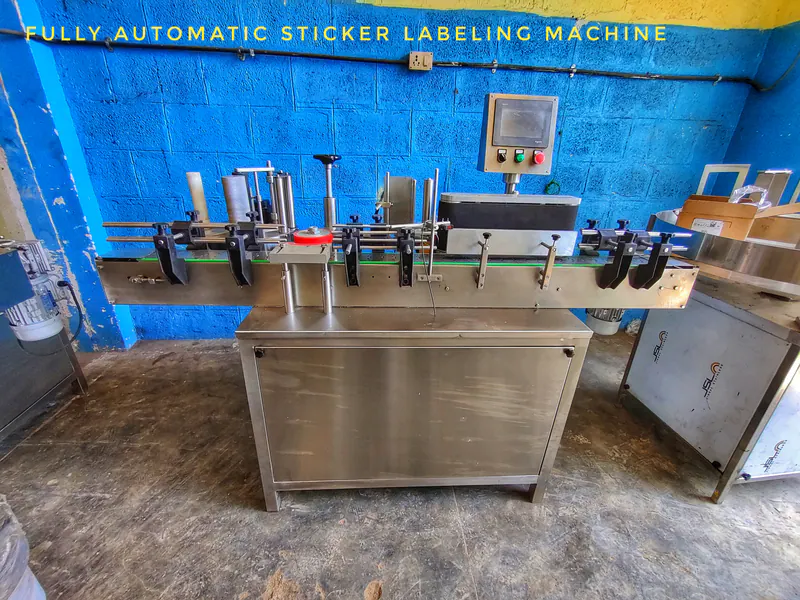
The labeler changeover guide supports format questions. It cannot establish acceptance on behalf of a client. Keep the equipment supplier’s response, the contract packer’s decision and the client’s approval as distinct references with named owners.
Keep product-transition questions with authorized references
Product transitions require the same separation of ownership. Record the cleaning/changeover questions supplied by the responsible teams and identify where information is still missing. A common equipment enquiry should not be read as permission to mix products, share product-contact parts or use one cleaning method across all clients.
Use the cleaning access guide for the supplier discussion. Keep confidential product details available through the agreed route, rather than replace them with an invented generic description. Any statement about compatibility or an accepted method must remain tied to the actual selected scope and its review.
Use a requirement ownership matrix for the proposed client mix
Build a requirement ownership matrix with one row per meaningful client/pack requirement. Include the person or team that can supply the reference and the person or team that can accept the relevant evidence. Where a supplier response covers several rows, identify those rows explicitly.
Use the matrix when reviewing the offer and again when preparing representative samples. It should reveal approval gaps before they are hidden inside a combined format list. The purpose is not to create fictional client results or promise universal multi-brand operation, but to keep a real shared purchase traceable to the specifications it must serve.
Blank planning worksheet — complete it with your own references. No observations or results are supplied.
| client code | pack baseline | required function | approval owner | confidential reference | shared-machine assumption | pending evidence |
|---|---|---|---|---|---|---|
| To complete | To complete | To complete | To complete | To complete | To complete | To complete |
Buyer Questions
Can client codes replace all specification details?
They can help organize a general brief, but the authorized technical references still need a traceable route to the supplier when required. Record which details are shared, restricted or still missing.
Can one client’s sample represent another client’s pack?
Only as an explicitly described proposal for review. Keep differences and acceptance ownership visible; a convenient sample does not automatically establish suitability or client approval for another format.
Does a shared enquiry approve product changeover?
No. It identifies the intended portfolio and the questions to resolve. Product-contact, cleaning and client approval boundaries need confirmation within the actual selected equipment and project scope.
Related Equipment and Guides
Primary References
Review these published machine and support pages alongside the approved configuration, actual samples and project documents.
Discuss Your Machine Requirement
Share the machine duty, actual samples, required result and relevant site information with H M Pharma Machines for a technical review.
Request a Technical Review