
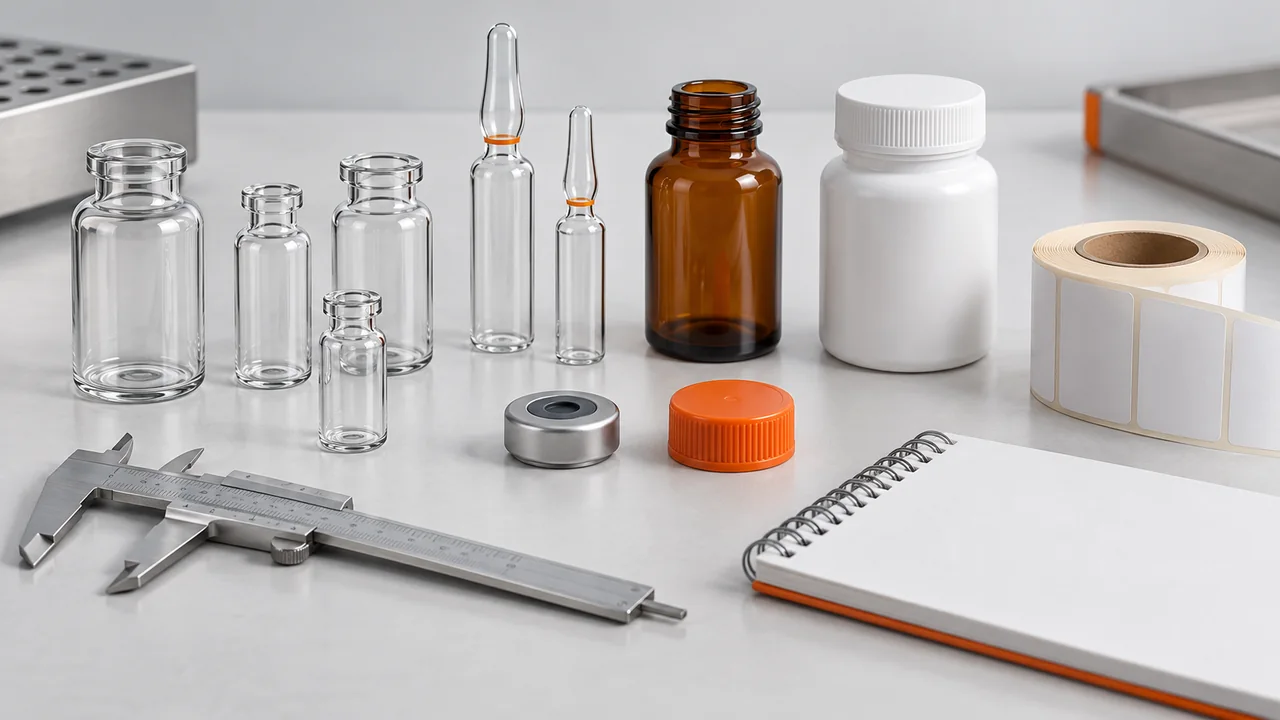
A new packaging design can affect several machines before the first production pack is ordered. A body profile changes how a container is supported; a closure choice changes the closing task; a label panel changes the application reference. These decisions should be reviewed while the buyer can still compare design alternatives, rather than after packaging tooling has been committed.
This guide focuses on the buyer's pack-design freeze decision. It assumes that the alternatives being compared have identifiable references. If the immediate problem is a machinery quotation without complete container drawings, use the separate missing-drawing enquiry guide. Here the useful outcome is a documented choice between controlled options and a list of machine conditions attached to that choice.
Compare each controlled pack alternative through the intended machine route. Separate design requirements from features still open to change, ask for stage-specific evidence, and retain the conditions behind the selected option before packaging tooling or the design baseline is released.
Name the Design Decision and the Alternatives
Start with the decision the packaging team must make. It might concern two body profiles, alternative neck-and-closure combinations or different usable label panels. Assign an option reference and revision to each candidate so the supplier's comments can be connected to the design they describe. Keep an option that combines a particular container, closure and label separate from a loosely assembled sample pack.
State which purchase or release depends on the comparison: container tooling, closure selection, label construction or the final pack drawing. An attractive rendered image is useful for design discussion, but the decision record needs the physical and dimensional evidence that represents each option. Keep the candidate options available until the relevant equipment owners have responded.
Separate Fixed Requirements from Negotiable Features
Ask the buyer's packaging and product owners which features must remain fixed and which can be reconsidered. Record the reason behind a fixed requirement rather than treating every line in an early design as equally negotiable. Keep this buyer decision distinct from what a machine supplier can supply or what has been demonstrated.
For features open to change, request a bounded discussion of the proposed alternatives. A supplier may identify a handling or application question that the design team can address before tooling release. Record who owns the proposed design change and whether another component is affected. Do not convert a suggestion into a released drawing until the relevant pack owners have reviewed the complete combination.
Request Evidence at Each Affected Machine Stage
Map the stages that the proposed pack will actually pass through. For washing, ask about the selected arrangement's container support and discharge presentation. For filling, review the opening, intended dose and product presentation. For closing, identify the neck and closure pair. For labeling, identify the application face, label construction and orientation reference. The purpose is to locate a design constraint, rather than ask for an unqualified statement that the new pack will run.
Use published equipment pages to identify the relevant supplier discussion, including round-bottle labeling and square-bottle double-side labeling where those applications are proposed. Keep sample review, a bounded trial result and a confirmed machine scope recognizable as different forms of evidence. Each response should identify the option revision it considered and the conditions that still apply.
Compare Complete Options on the Same Review Basis
Use the same intended equipment route and buyer requirement for each alternative. If one option was reviewed with its final closure while another used a substitute, record that difference instead of presenting the two responses as equivalent. A favourable observation at the labeler does not close a question about washer support or the closing stage.
Keep constraints and unresolved questions visible beside each option. Describe any required format parts, confirmed scope changes or further samples through the supplier's response, without assigning costs or performance from a general guide. The packaging team's comparison should show why an option is preferred and which conditions accompany that preference.
Ask What the Prototype Actually Represents
Identify how a prototype differs from the intended purchased pack. Its material, surface finish, dimensions or manufacturing route may leave some equipment questions unanswered. Ask the supplier which decisions can be supported by that sample and what still needs the proposed production reference. Keep that answer with the option record rather than describe a prototype demonstration as acceptance of a later container.
The decorated-container trial guide addresses appearance through the machine route, while the artwork and sample-roll guide addresses the finished label construction. Use those evidence records when relevant to the selected design. Avoid letting the availability of an easy demonstration sample decide which design is ready to freeze.
Record the Evidence Behind the Freeze Decision
Complete a separate decision sheet for each proposed option. The blank worksheet below records the design decision, the equipment questions it affects and the evidence reviewed by the buyer. It is a buyer project record, not a machine certificate or a prediction of production performance. The responsible team should define what its release status means.
Before committing packaging tooling, confirm that the selected option is the same controlled combination reviewed by the supplier. Keep unresolved conditions with their owner and the action needed before the next release. If the buyer proceeds while an item remains open, preserve that status explicitly rather than rewriting a conditional feasibility comment as unconditional pack approval.
| Decision field | Option reference and evidence | Buyer review/status |
|---|---|---|
| Design choice and purchase/release it controls | To complete | To complete |
| Container, closure and label option revisions | To complete | To complete |
| Fixed requirements and negotiable features | To complete | To complete |
| Affected machine stage and supplier evidence reference | To complete | To confirm |
| Prototype differences and remaining production-pack checks | To complete | To confirm |
| Selected option, open condition and release owner | To complete | To confirm |
Carry the Selected Option into Later Orders and Reviews
Release one identifiable selected pack baseline and state which alternatives were not selected. Give the packaging supplier and machinery supplier the same container, closure and label references. Retain the machine conditions attached to the decision so a later procurement substitution does not silently create a different pack.
If the selected design changes after the freeze, identify the affected option reference and ask which machine-stage evidence needs review. The machine-order change guide applies when an accepted machinery order is affected. Keeping the design decision linked to the later order makes the original comparison useful through purchasing rather than a one-time design meeting note.
Pack Design Freeze Questions
When should machine constraints enter a new-pack design comparison?
While the buyer can still compare identified design alternatives and before committing the relevant packaging tooling or release. Ask the equipment owners for evidence about the affected stages and retain the conditions attached to each response.
Can a trial on one prototype approve a different production pack?
Only the represented conditions are available for review. Identify material, surface, dimension and manufacturing differences, then ask which additional production-pack references or checks are needed for the decision.
Does selecting a preferred pack option establish production performance?
No. The freeze record documents the buyer's design choice and its reviewed conditions. The ordered machine configuration, applicable trials and production approval remain separate evidence and responsibilities.
What should accompany a design change after the pack is frozen?
Identify the revised option and the feature changed, then ask which machine-stage evidence or order scope is affected. Retain the revised references and open conditions with the responsible buyer and supplier reviewers.
Review Your Pack Alternatives Before Design Freeze
Share the controlled container, closure and label options, the design decision being made and the intended machine route. H M Pharma Machines can review the machinery questions relevant to those pack references.
Request a Technical Review