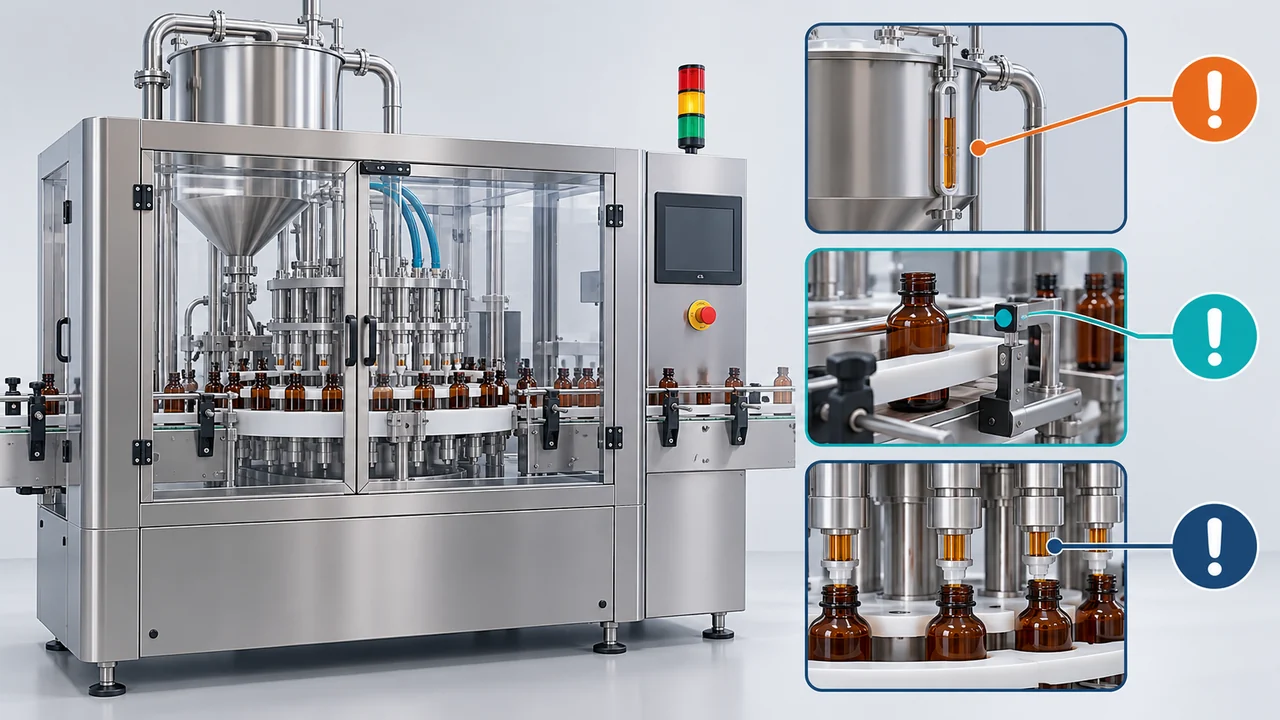
Load Cell Filler Tolerance Entry: Confirm Units before Recipe Approval
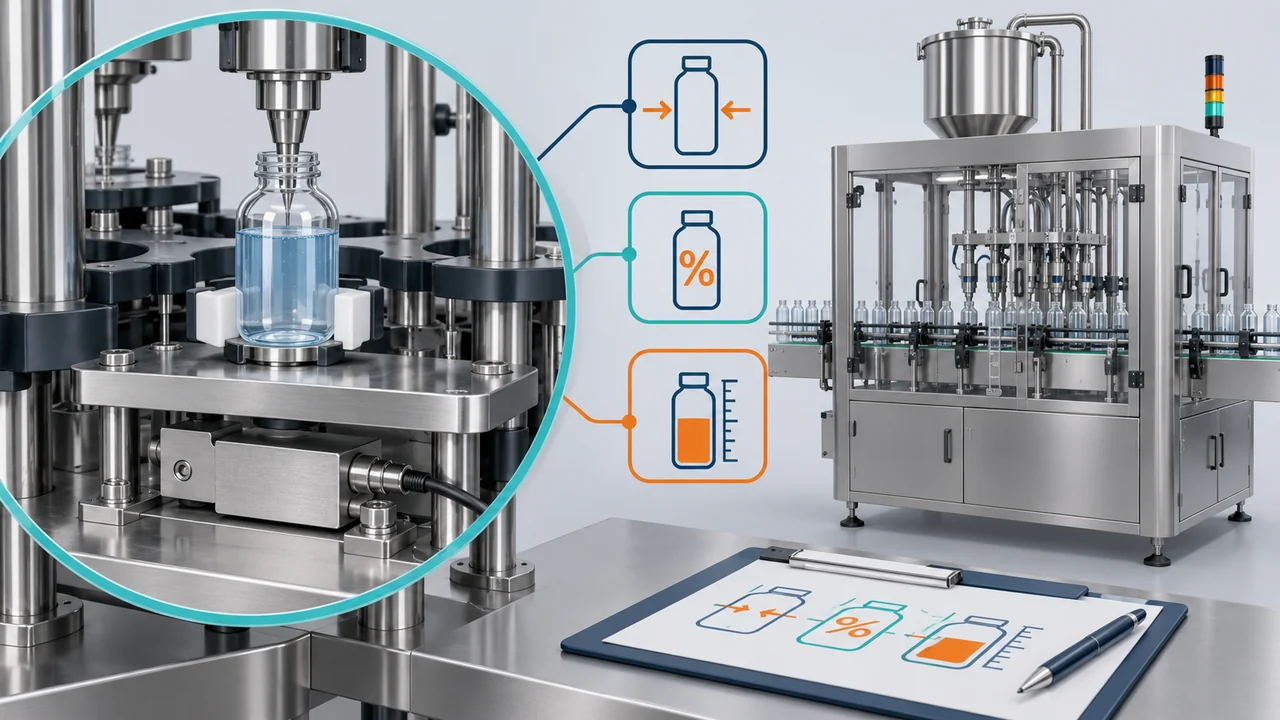
Confirm load cell filler tolerance-field units, target basis and pass-fail meaning before approving a recipe, using documented examples and witnessed checks.
Read Full Article →
Practical guides for selecting, planning, operating and maintaining pharmaceutical manufacturing and packaging machinery.
Browse by task
Start with the machine or task you are planning. Each topic brings together selection guides, practical checks and relevant engineering references.
Compare container handling, wash access, cleaning utilities and acceptance checks before selecting a washer.
Choose a dosing method and prepare product, container, nozzle and repeatability checks for the machine trial.
Compare cap presentation, closure methods and the evidence needed to approve the finished pack.
Match the container and label format, approve the sample roll, and define coding or inspection evidence.
Define format kits, container references and transfer interfaces for each planned product and pack size.
Prepare the site, utility connections and line interfaces before confirming the machine scope.
Agree trial evidence, dispatch checks, operator training and the spares required for the supplied machine.
Search practical Machine guides first, or choose the separate Engineering reference archive. Use a keyword, a topic, or both.
Search all 737 articles by keyword, topic, or both.
Or browse Machine guides and the Engineering reference archive.
Machine guides
Guides to actual washing, filling, capping, labeling and machine-project questions. Browse by task or search Machine guides.
Confirm load cell filler tolerance-field units, target basis and pass-fail meaning before approving a recipe, using documented examples and witnessed checks.
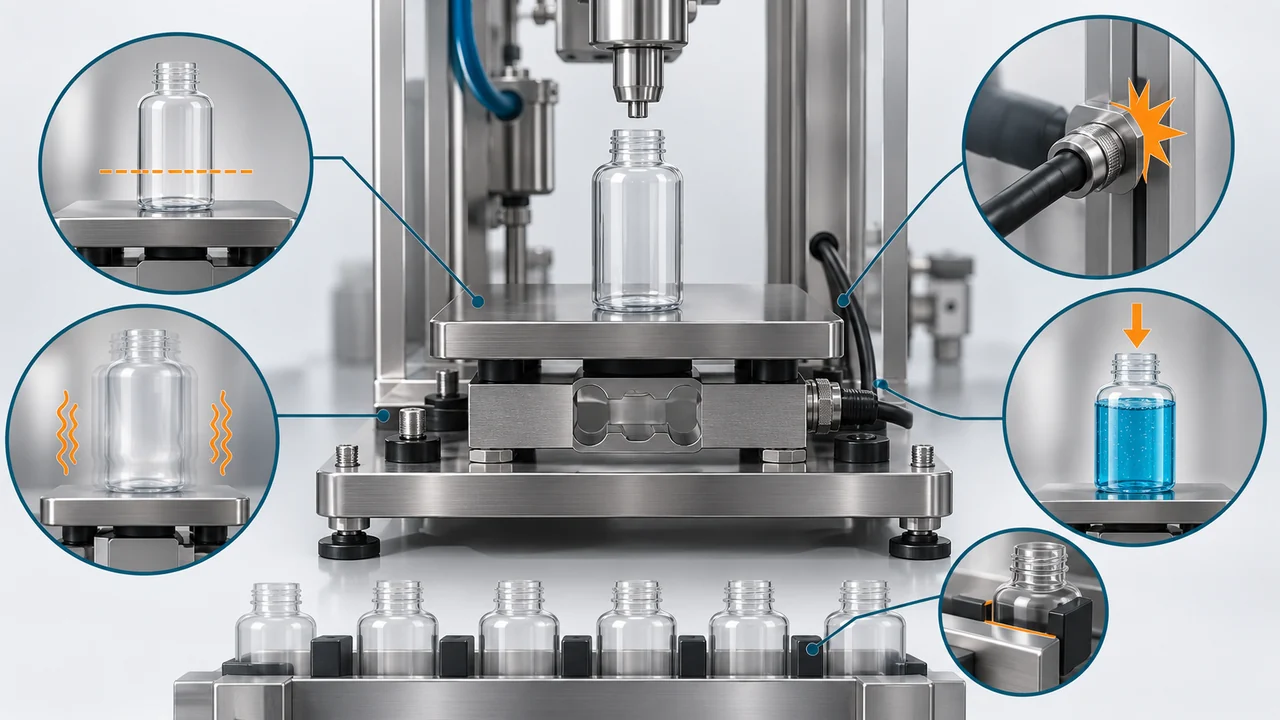
Read Full Article →Check tare stability before load-cell dosing by reviewing empty containers, weighing support, vibration and unintended contact before filling adjustments.
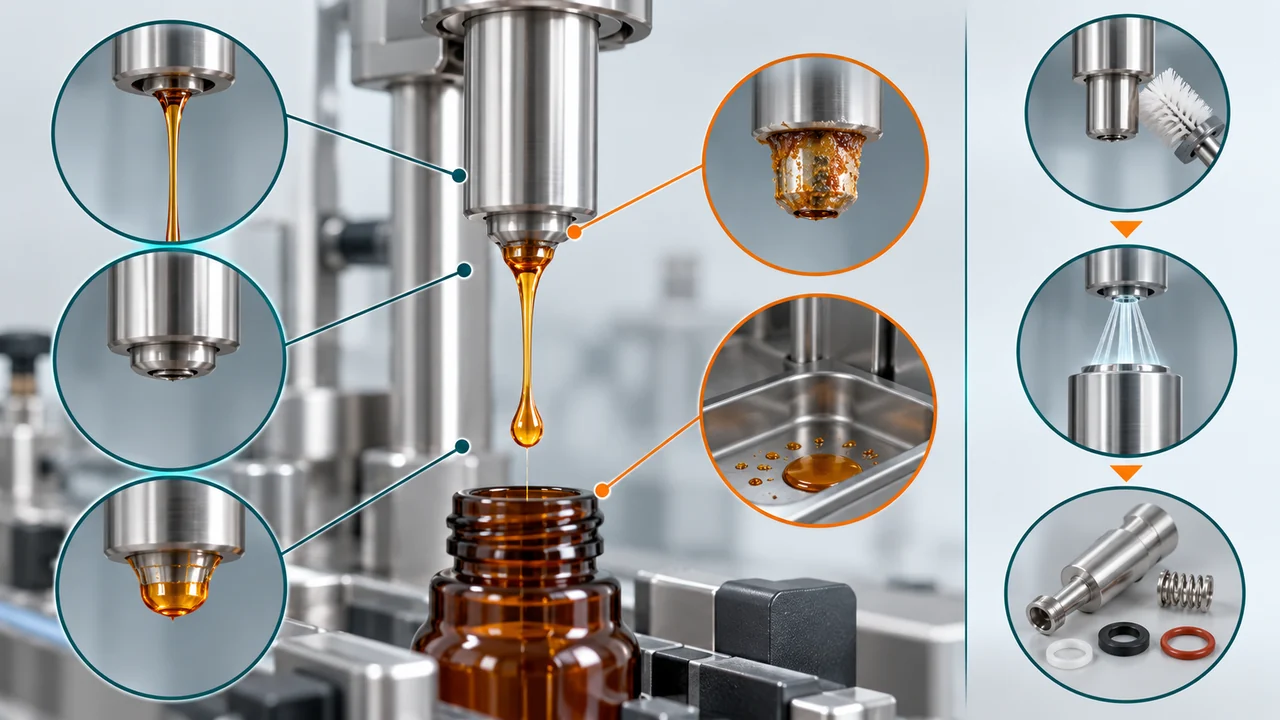
Read Full Article →Investigate sticky syrup at a filling nozzle by separating stringing, wetting, deposits and closing behavior, with safe observations and cleaning escalation.
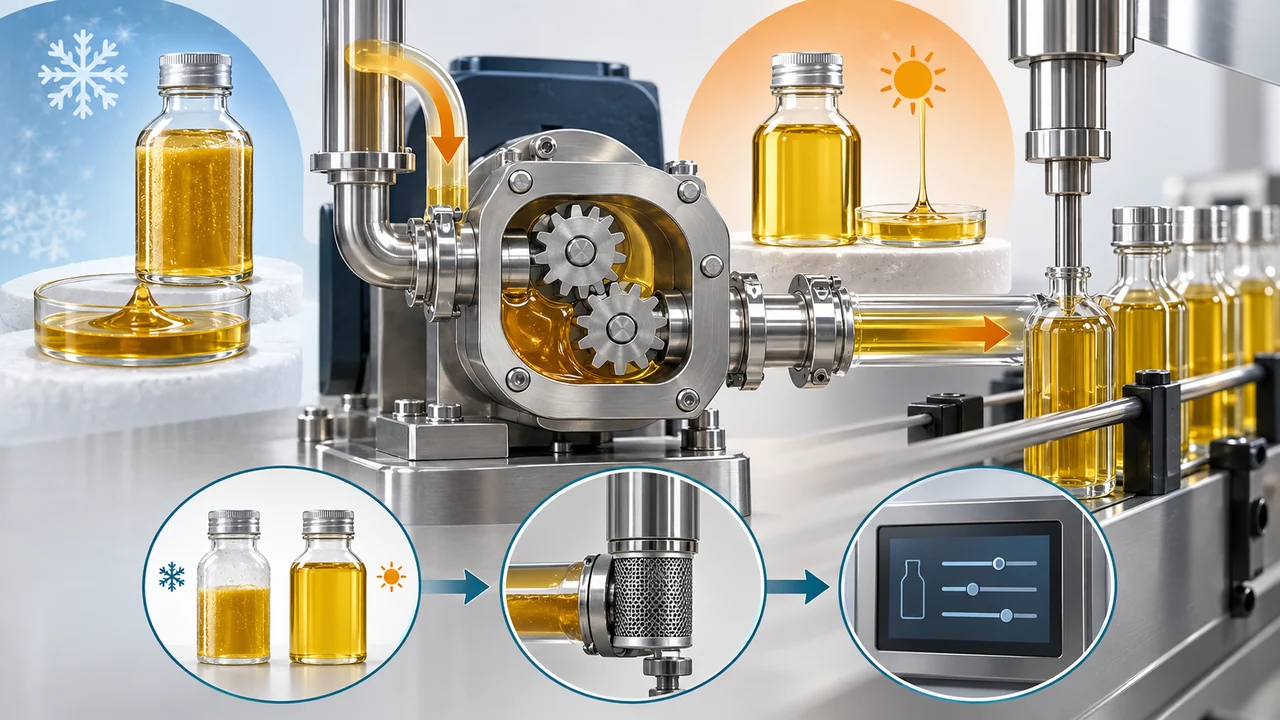
Read Full Article →Review seasonal filling changes using actual oil temperatures, representative samples, pump inlet conditions and controlled recipe comparisons across grades.
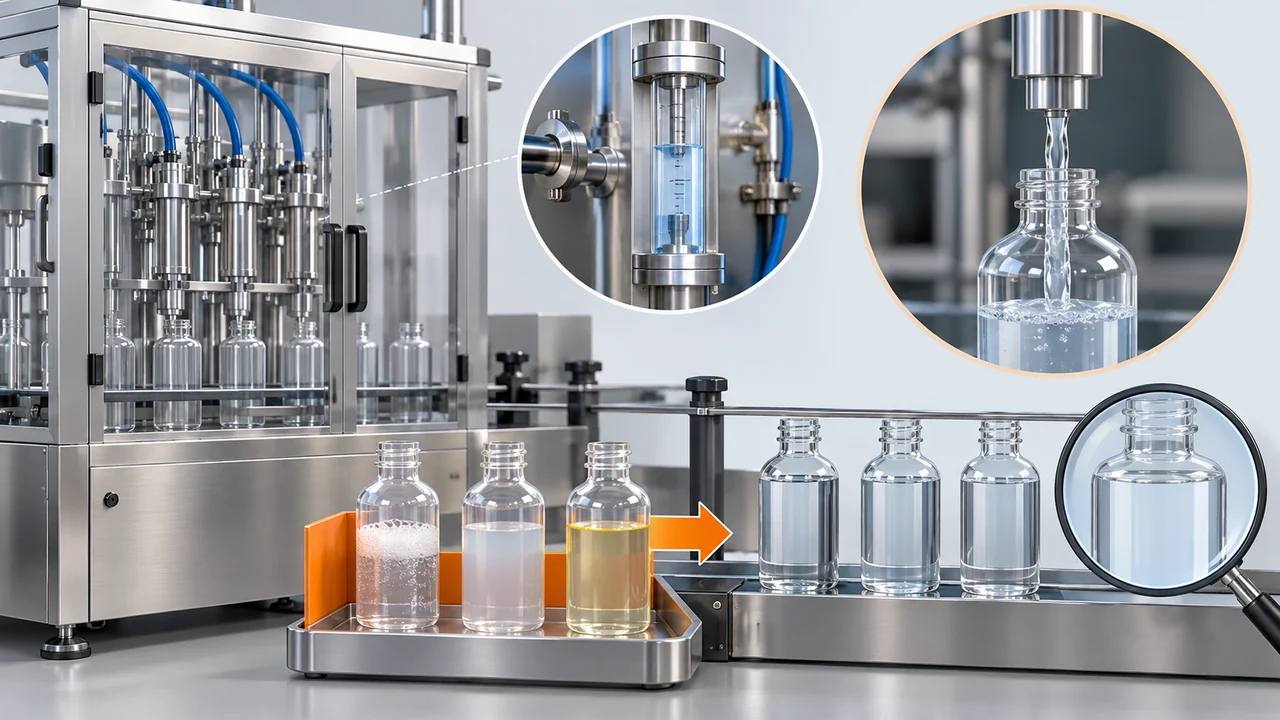
Read Full Article →Plan liquid filler restart checks after a long stop using bottle segregation, feed observations and measured first-off results before returning to production.
Read Full Article →Record syrup filler supply-readiness changes, displayed messages and cycle status before an authorized reset, keeping observations separate from guessed causes.
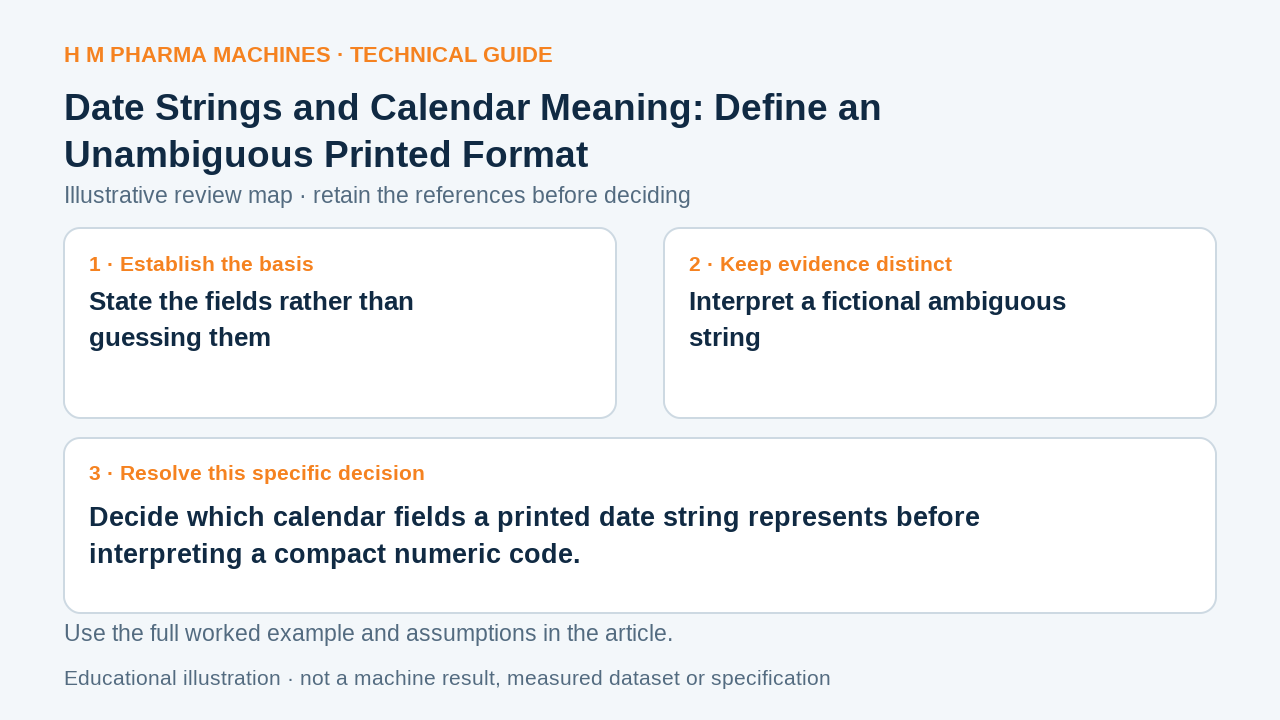
Read Full Article →Define the calendar fields represented by a printed date string before approving an ambiguous compact format.
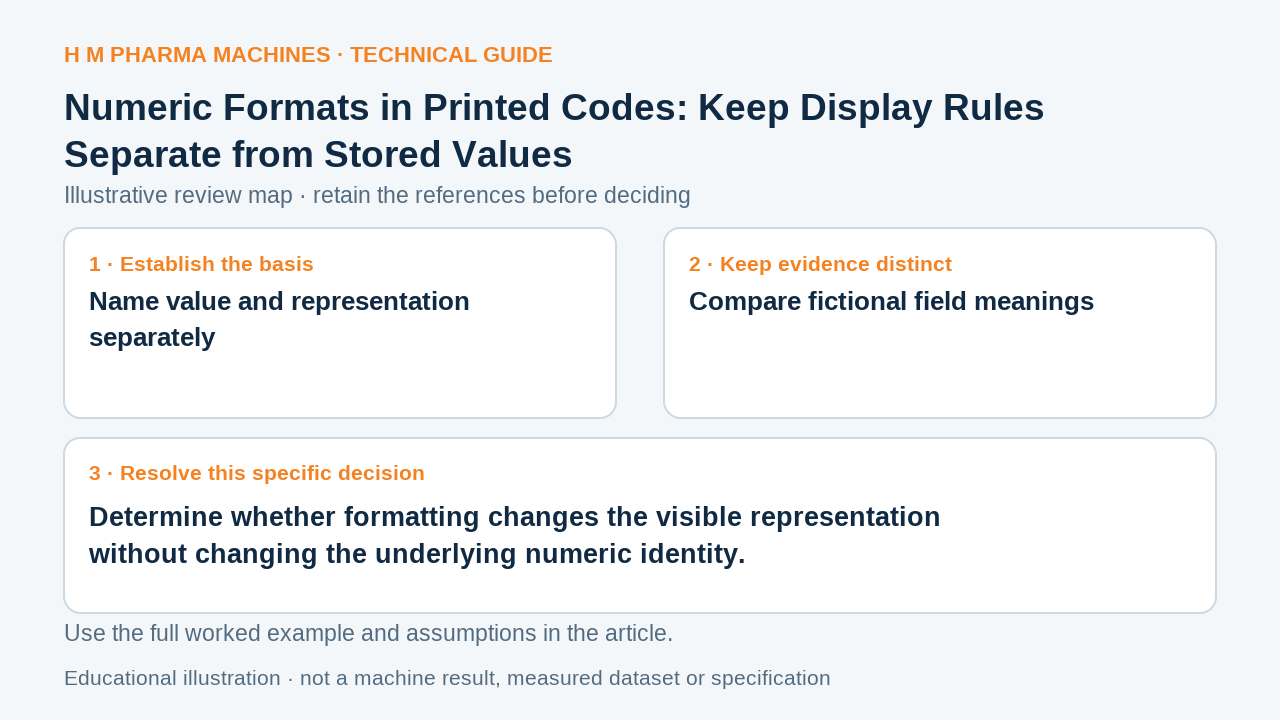
Read Full Article →Distinguish numeric values, identifiers and visible formatting rules before approving variable printed codes.
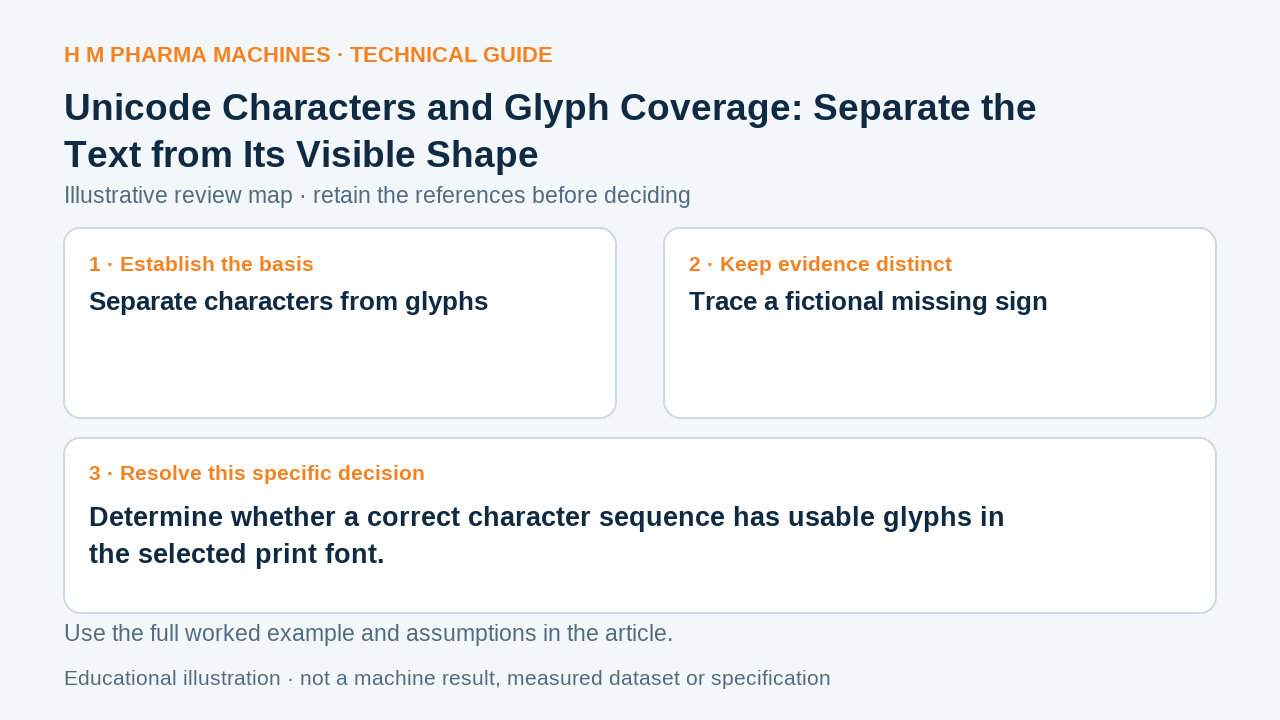
Read Full Article →Check the actual font and shaping support when a correct character sequence produces missing or inappropriate glyphs.
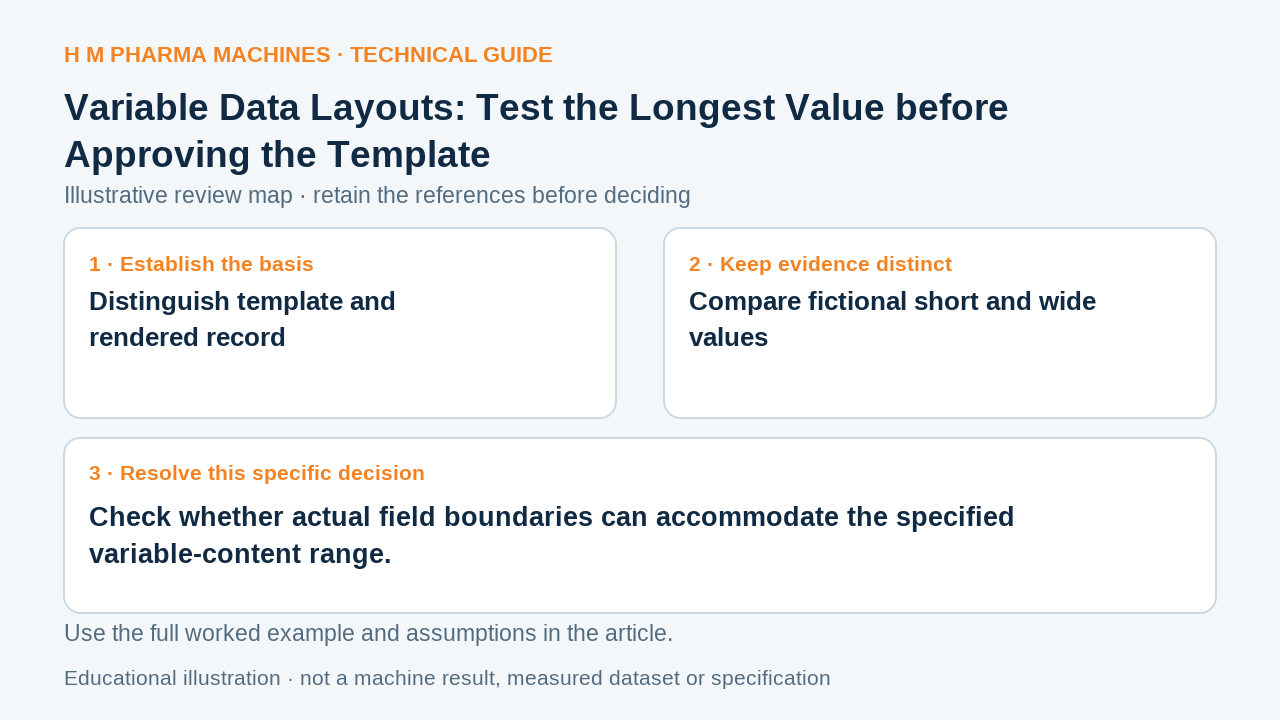
Read Full Article →Test the permitted variable-content range in the actual layout rather than approving a template from one short sample value.
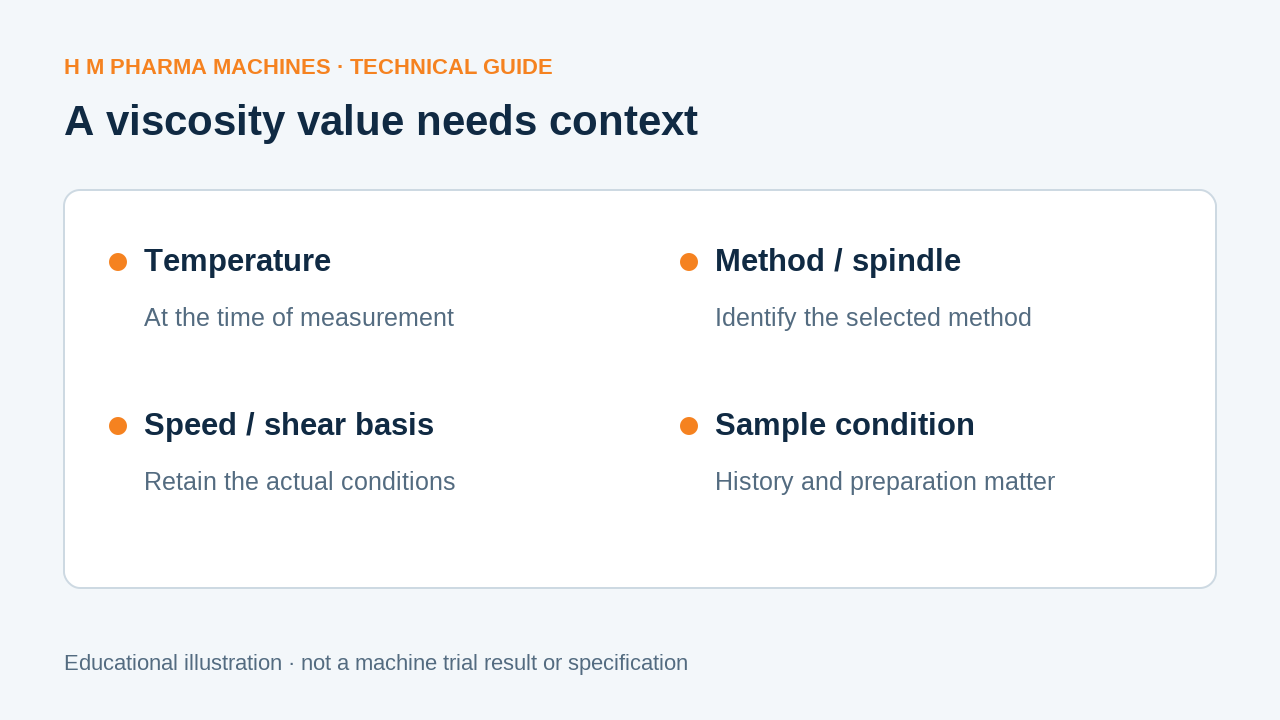
Read Full Article →Retain instrument, geometry, speed, temperature, timing and sample-history references when sharing viscosity data for a liquid-filling enquiry.
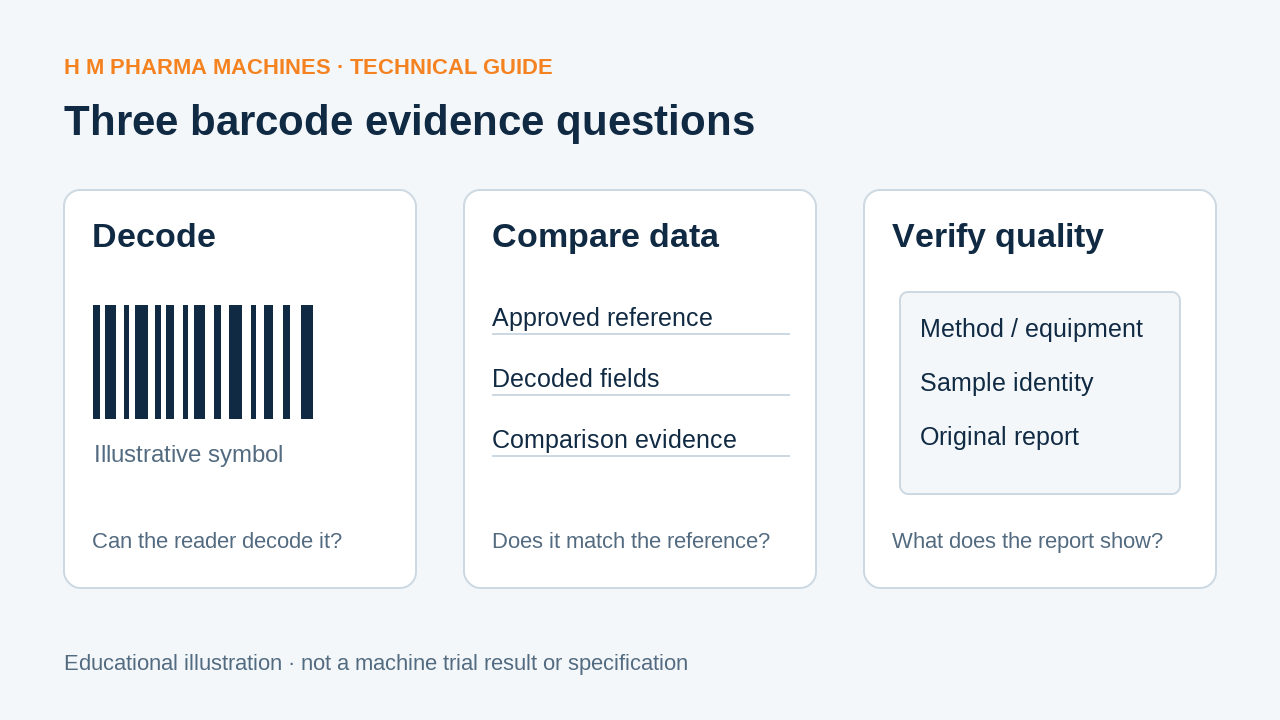
Read Full Article →Separate barcode decoding, approved data checks and symbol-quality verification before specifying a coding trial, report or inspection function.
Read Full Article →Share your product, container, closure, required output and process details with our engineering team.