Bought-Out Machine Components: Agree Substitution and Support Scope
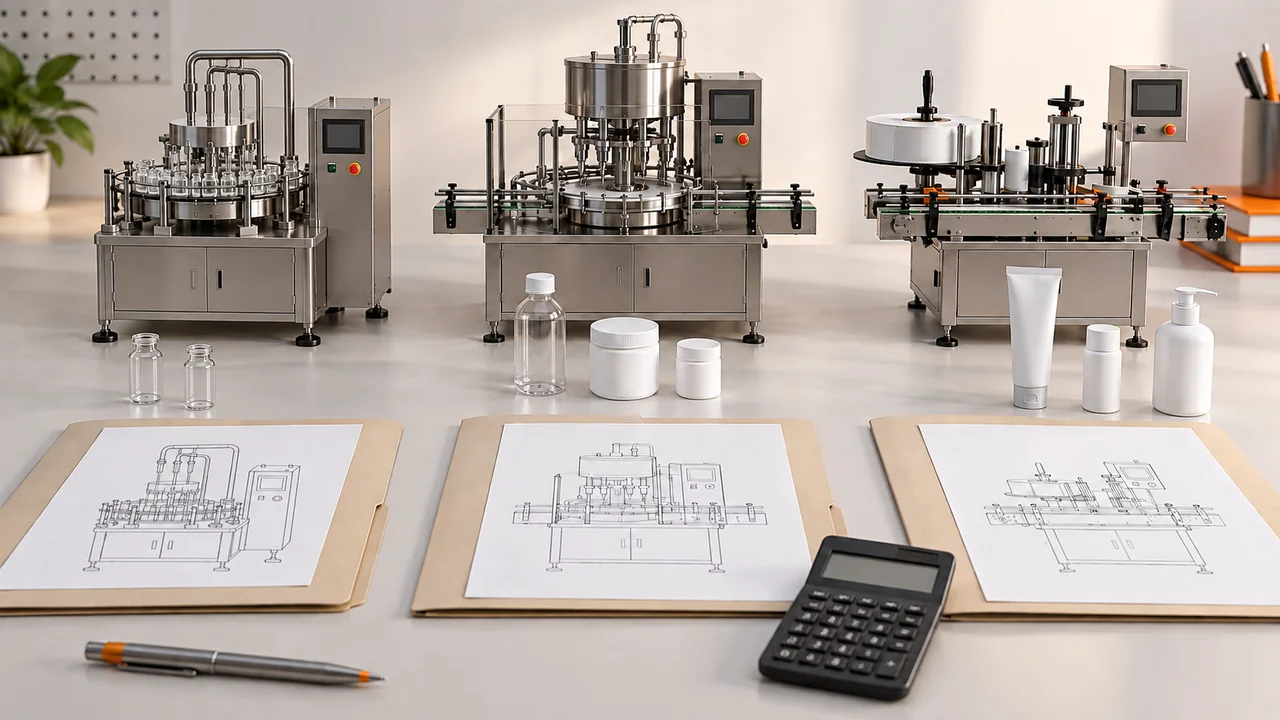
Review proposed bought-out component substitutions before delivery using the quoted reference, interface evidence, document impact and support ownership.
Read Full Article →
Practical guides for selecting, planning, operating and maintaining pharmaceutical manufacturing and packaging machinery.
Latest articles
Practical guides to washing, filling, capping, labeling and machine planning. Each card has a distinct Library date; actual publication and revision dates remain inside the article.
Machine guide library
Browse guides by their distinct Library date. These collection labels are separate from actual publication and revision dates shown inside each article.
Review proposed bought-out component substitutions before delivery using the quoted reference, interface evidence, document impact and support ownership.
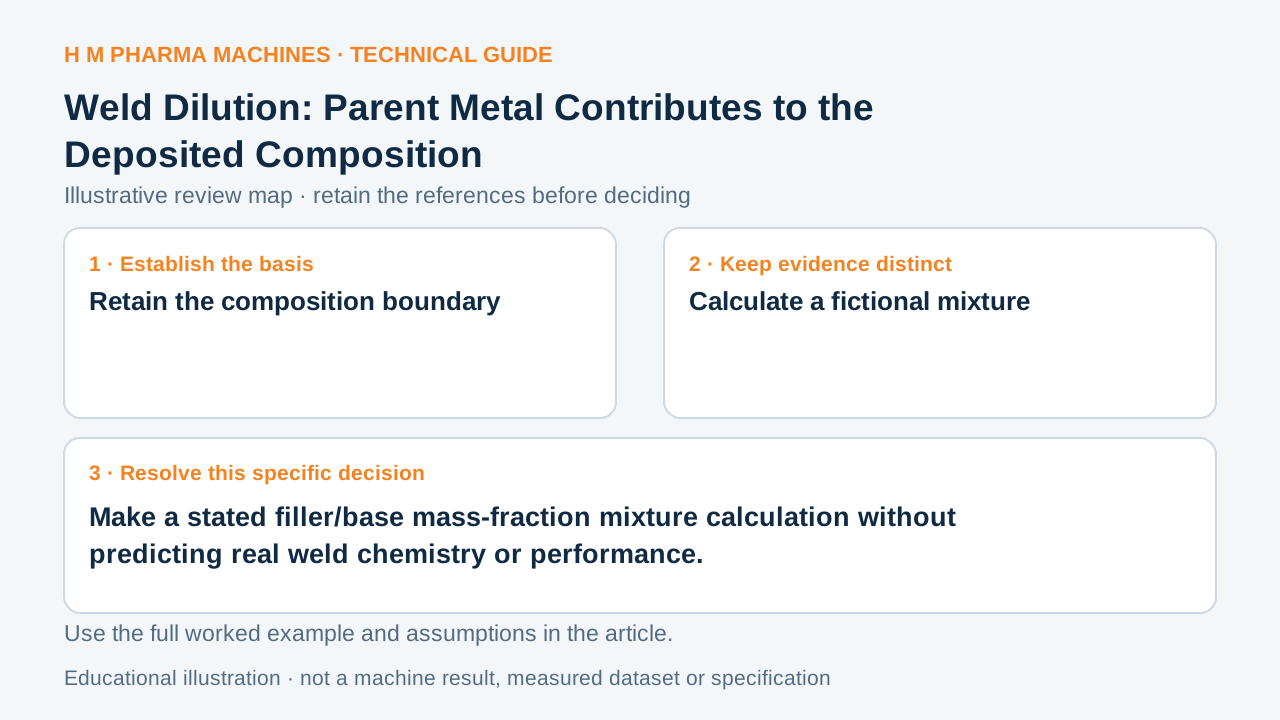
Read Full Article →Keep parent-metal contribution visible in a defined weld-composition mass balance.
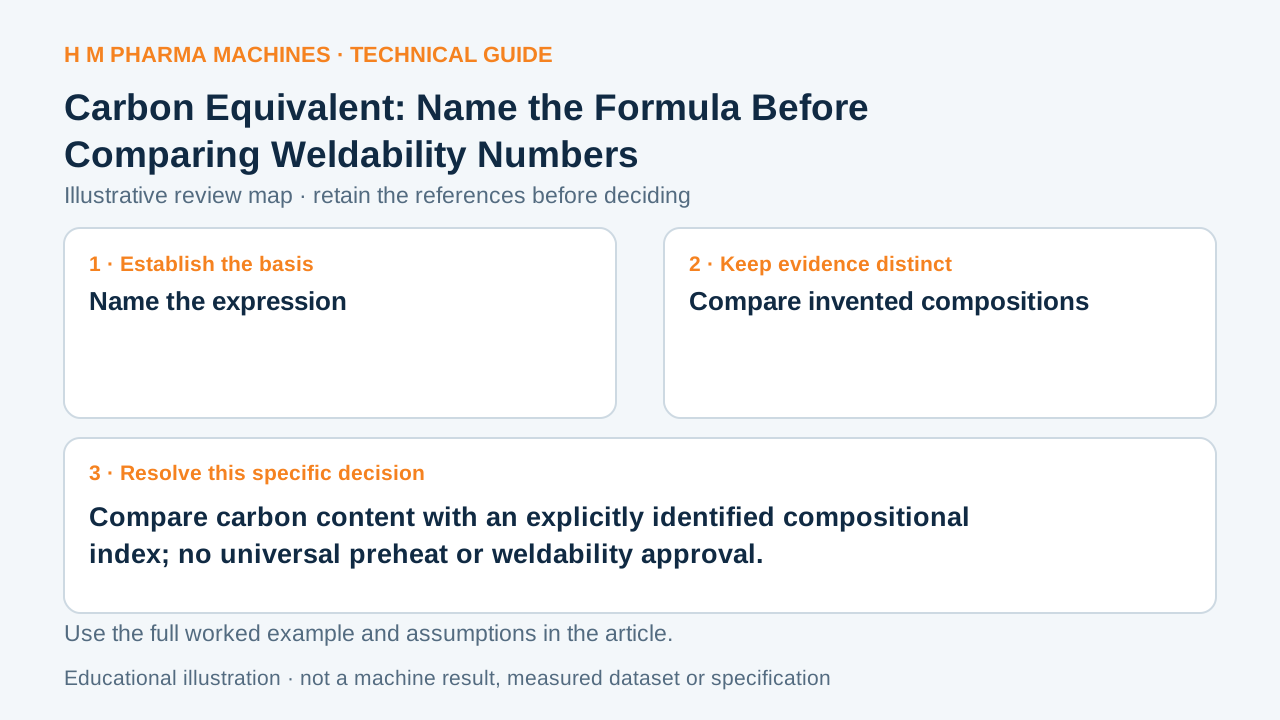
Read Full Article →Identify the actual carbon-equivalent expression and composition inputs before ranking material records.
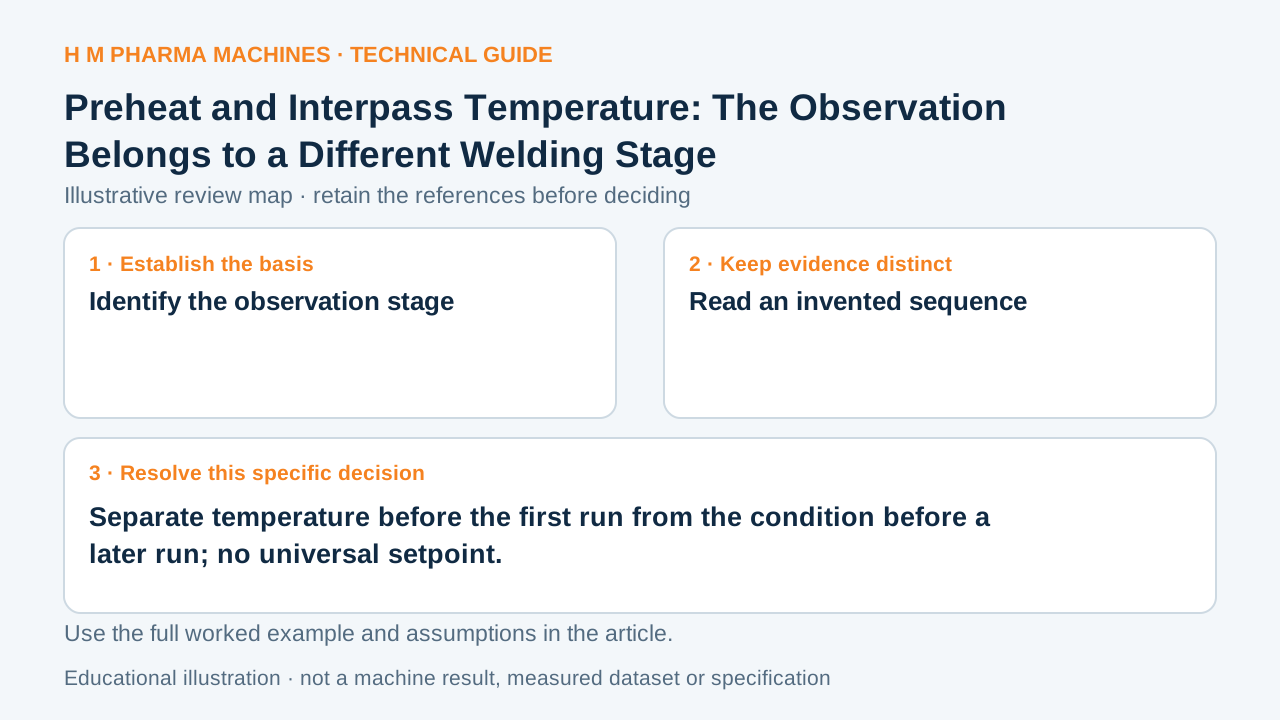
Read Full Article →Place preheat and interpass observations at their actual stages in a multi-run welding record.
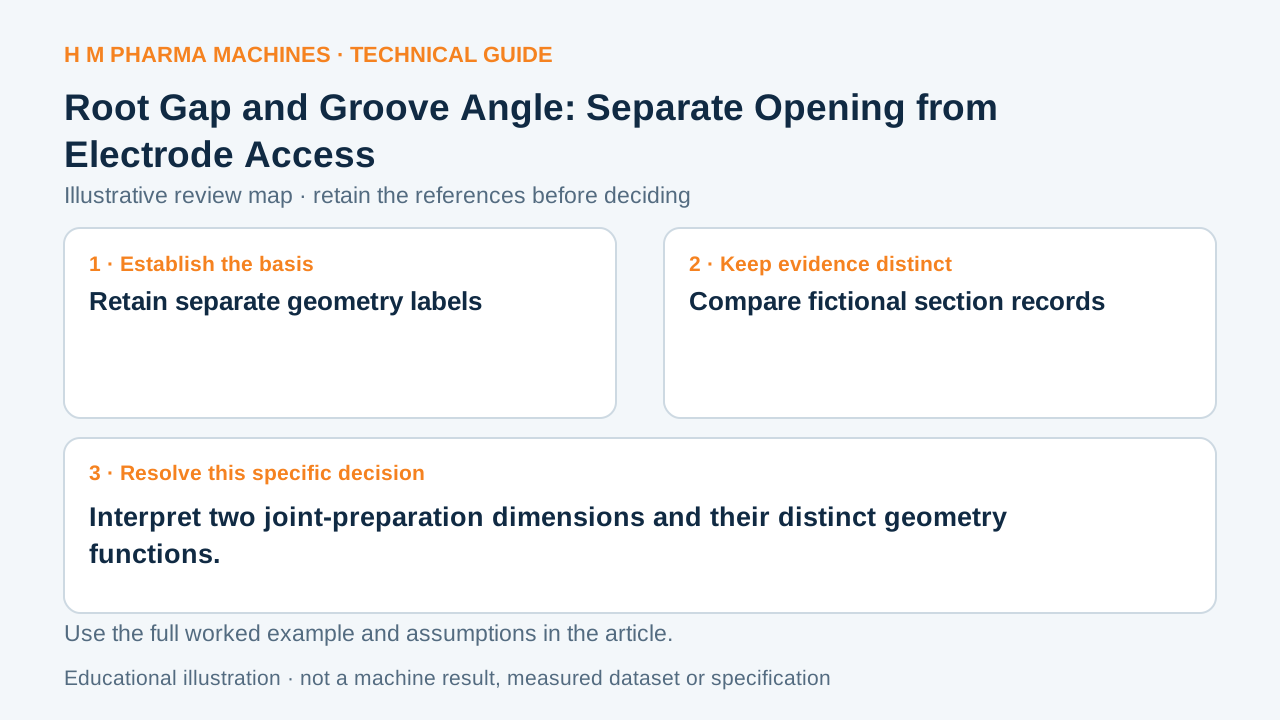
Read Full Article →Separate the root opening from the groove angle in a joint-preparation geometry review.
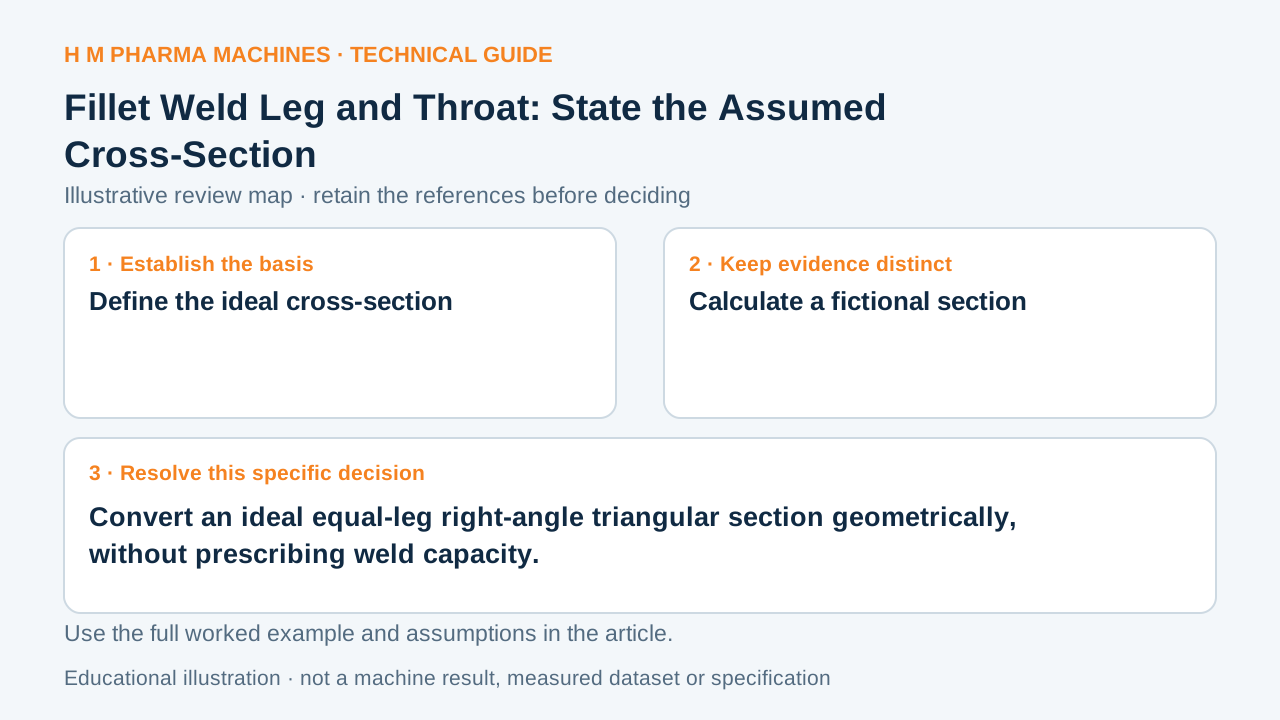
Read Full Article →Translate an ideal fillet leg and throat geometrically while keeping the assumed section and design requirement visible.
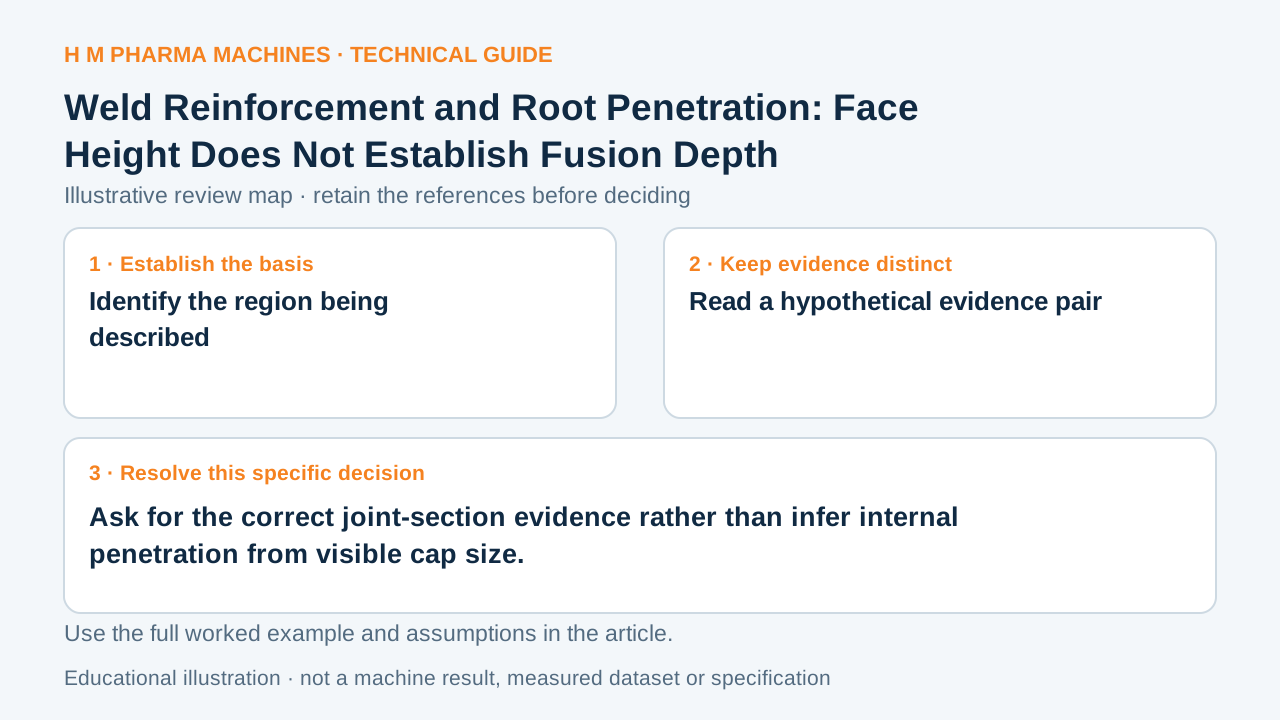
Read Full Article →Keep visible weld-cap geometry separate from evidence of penetration at the joint root.
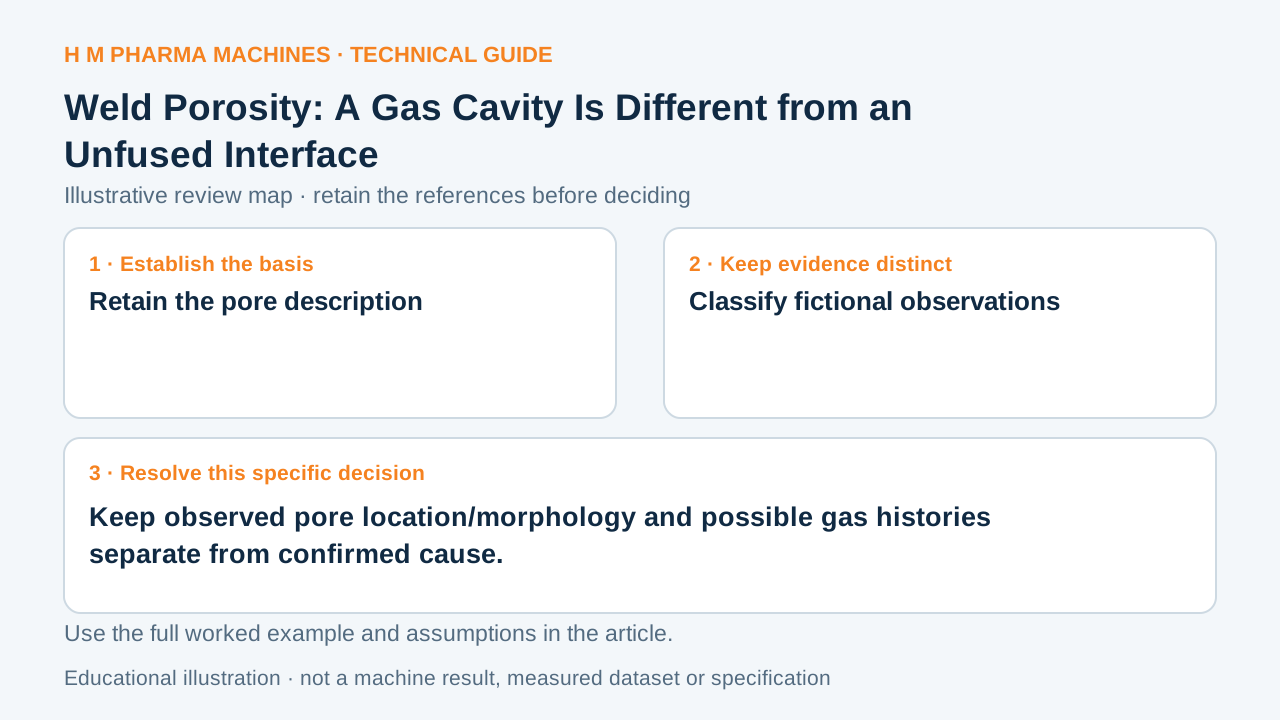
Read Full Article →Separate gas-pore observations from unjoined interfaces and preserve uncertainty about the actual cause.
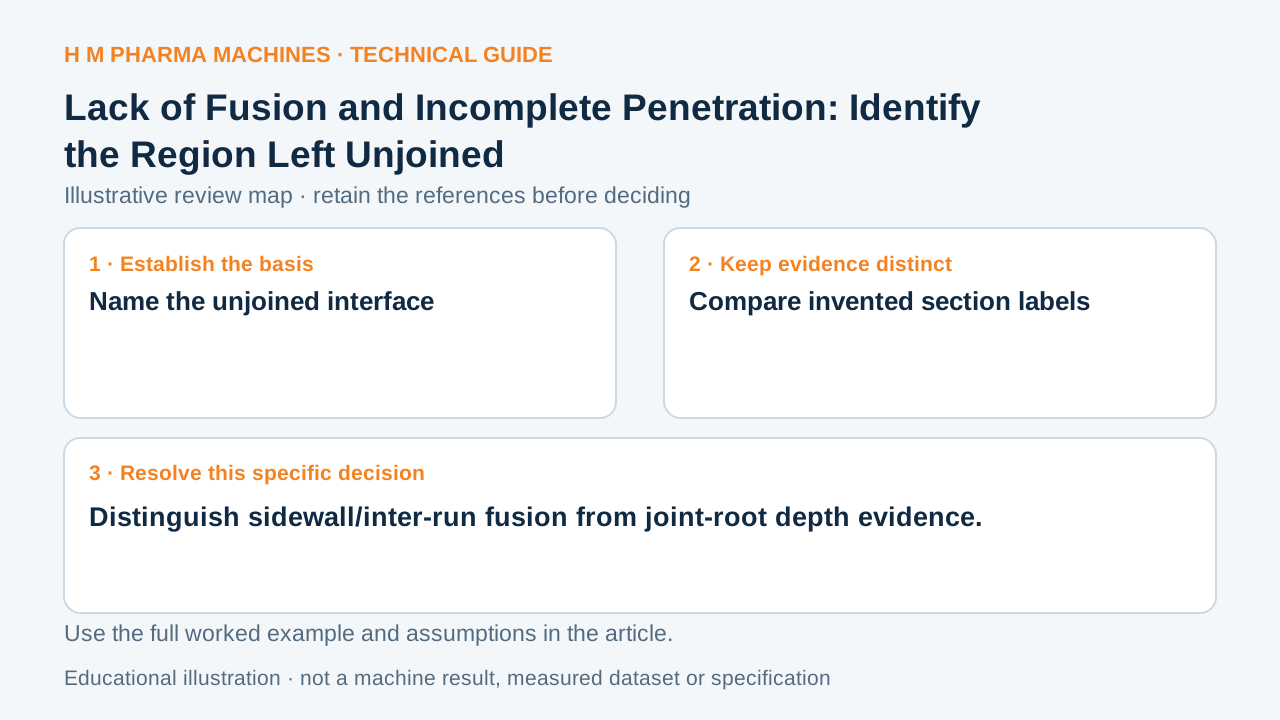
Read Full Article →Distinguish fusion between adjacent materials from penetration to the required joint depth.
Read Full Article →Classify recessed weld-toe geometry separately from a lip of metal extending onto an unfused parent surface.
Read Full Article →Keep the formation stage and material region attached to a welding-crack hypothesis.
Read Full Article →Review hydrogen availability, susceptible structure and tensile stress together in a welding-crack hypothesis.
Read Full Article →Connect an austenitic stainless weld’s thermal history with local grain-boundary chemistry rather than bulk grade alone.
Read Full Article →Read the purpose and timing of postheat separately from a specified post-weld heat treatment.
Read Full Article →Keep dimensional distortion separate from the residual-stress evidence for a cooled welded assembly.
Read Full Article →Reconcile issued filler metal with deposited metal and explicitly identified losses on one mass basis.
Read Full Article →Read how constant-surface-speed and fixed-RPM modes respond to changing turning diameter and an explicit RPM ceiling.
Read Full Article →Convert table feed using effective tooth count and RPM.
Read Full Article →Separate engaged volume rate from removal per elapsed minute.
Read Full Article →Identify climb and conventional milling from relative feed and rotation at the engagement, including chip entry and exit.
Read Full Article →Distinguish nominal ball-nose diameter from the active circular section at a stated axial engagement.
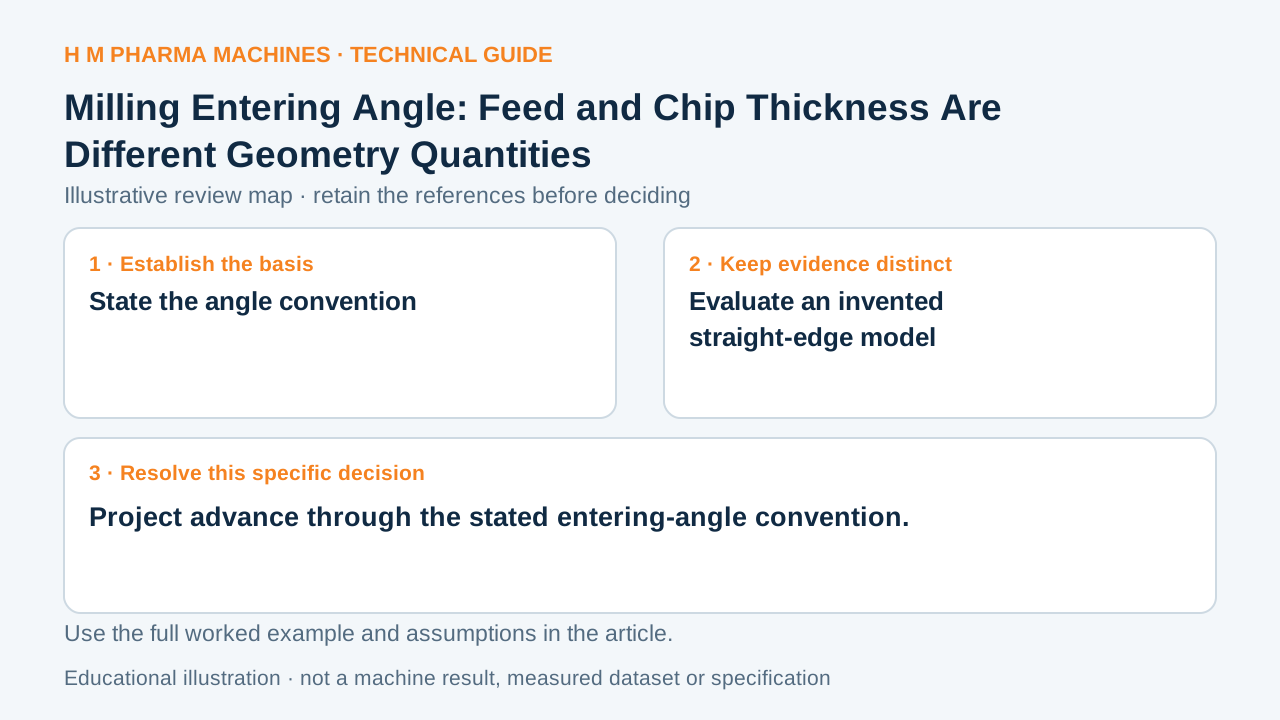
Read Full Article →Project nominal advance through the defined entering angle.
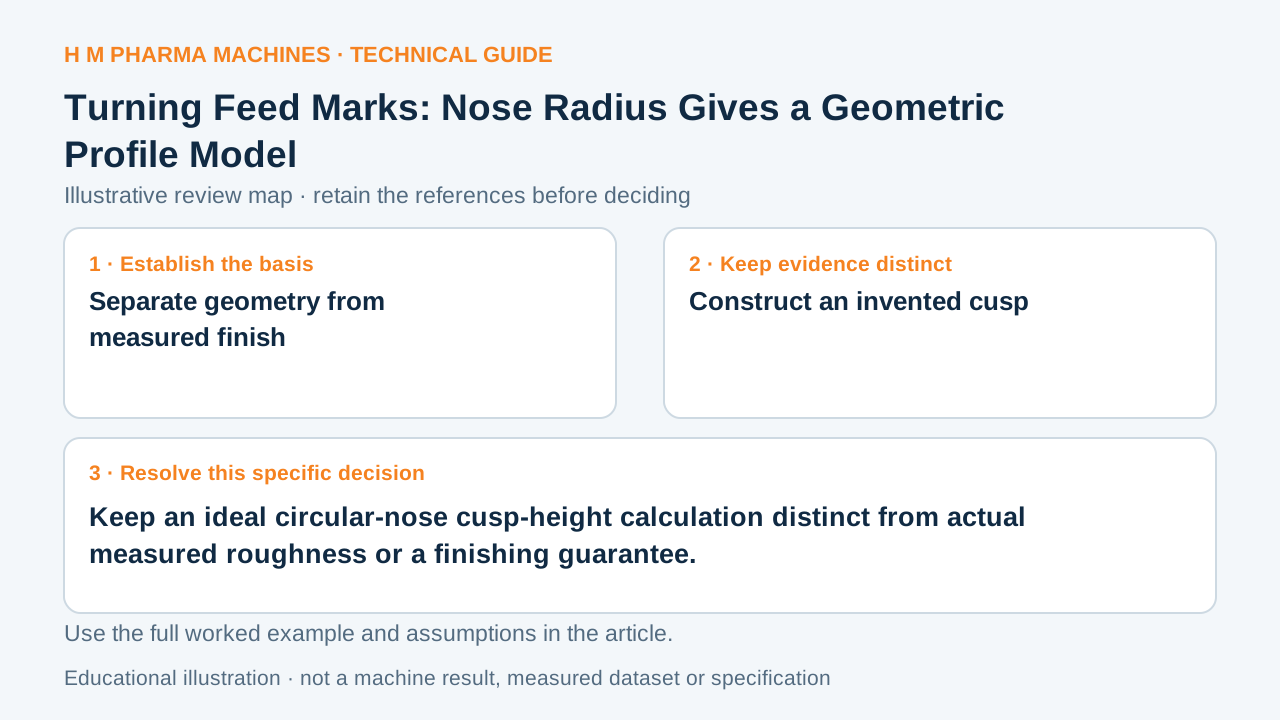
Read Full Article →Compare ideal turning cusp height from nose geometry and feed with an actual measured surface-roughness result.
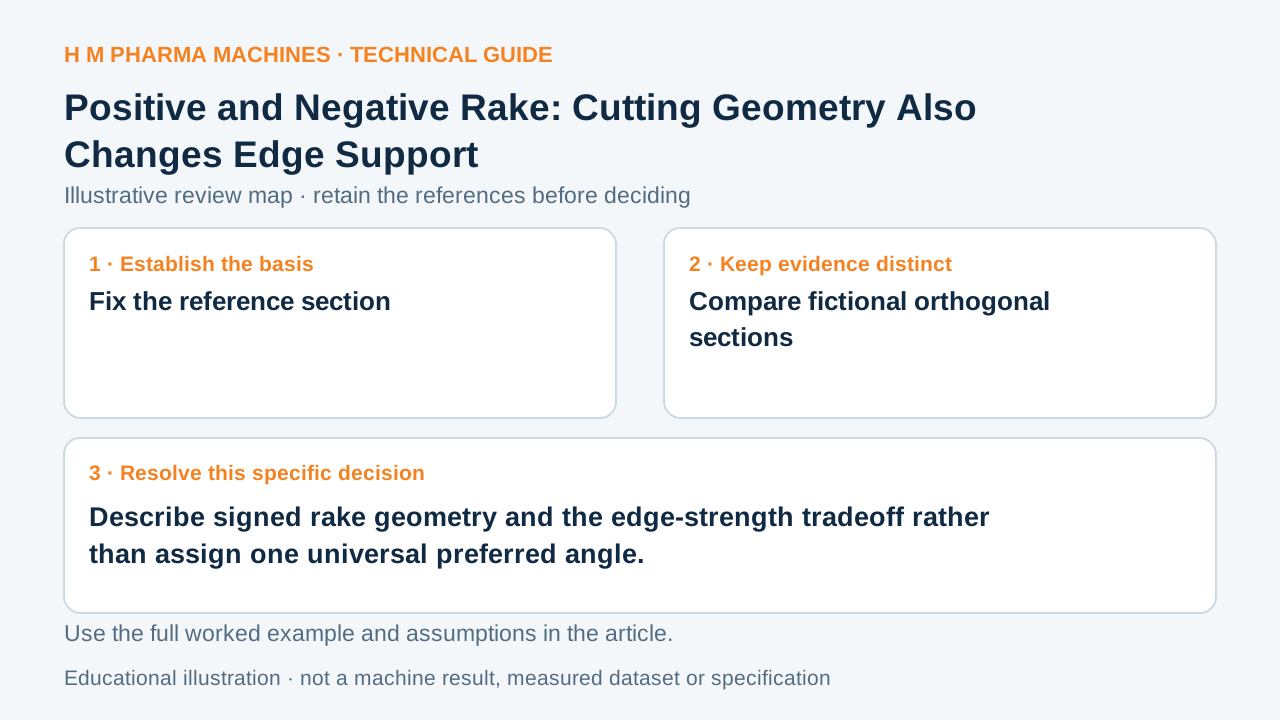
Read Full Article →Inspect positive and negative rake as cutting-wedge geometries while keeping holder orientation and actual cutting conditions separate.
Read Full Article →Blog overview · Latest articles · Machine guide library
Application-based guidance for selecting equipment according to product, container, closure and output.
Practical considerations for connecting washing, filling, capping, labeling and conveying machinery.
Useful information for changeovers, cleaning, preventive maintenance and dependable machine performance.
Share your product, container, closure, required output and process details with our engineering team.