Embedded Fonts and Outlined Text: Two Different Ways to Preserve Letter Shapes
Compare embedded font data with outlined letter geometry before choosing a print-handoff representation.
Read Full Article →
Practical guides for selecting, planning, operating and maintaining pharmaceutical manufacturing and packaging machinery.
Latest articles
Practical guides to washing, filling, capping, labeling and machine planning. Each card has a distinct Library date; actual publication and revision dates remain inside the article.
Machine guide library
Browse guides by their distinct Library date. These collection labels are separate from actual publication and revision dates shown inside each article.
Compare embedded font data with outlined letter geometry before choosing a print-handoff representation.
Read Full Article →Check the actual font and shaping support when a correct character sequence produces missing or inappropriate glyphs.
Read Full Article →Trace byte decoding when a text import displays the wrong characters before changing the approved artwork wording.
Read Full Article →Keep a named spot-ink separation distinct from a process-colour simulation of the same artwork appearance.
Read Full Article →Keep RGB channel values and CMYK process values within their actual colour-model and output-space context.
Read Full Article →Identify which device or colour space an ICC profile describes before relying on it in a packaging-artwork conversion.
Read Full Article →Keep the rendering intent with the source and destination profiles when comparing a colour-conversion result.
Read Full Article →Distinguish an overlap that removes underlying ink from one that retains it before releasing artwork separations.
Read Full Article →Identify which transparent artwork regions become vector or raster output when live transparency is flattened.
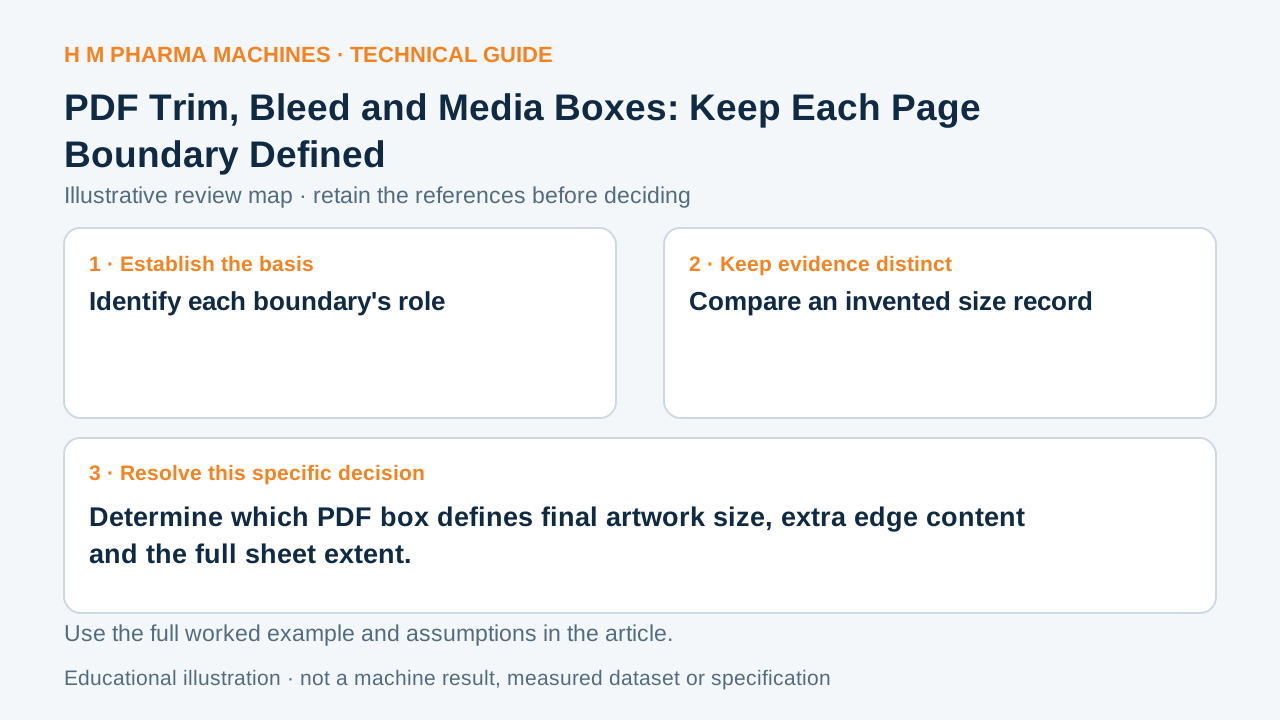
Read Full Article →Keep finished-size, bleed and full-page boundaries explicit when approving a PDF for packaging print output.
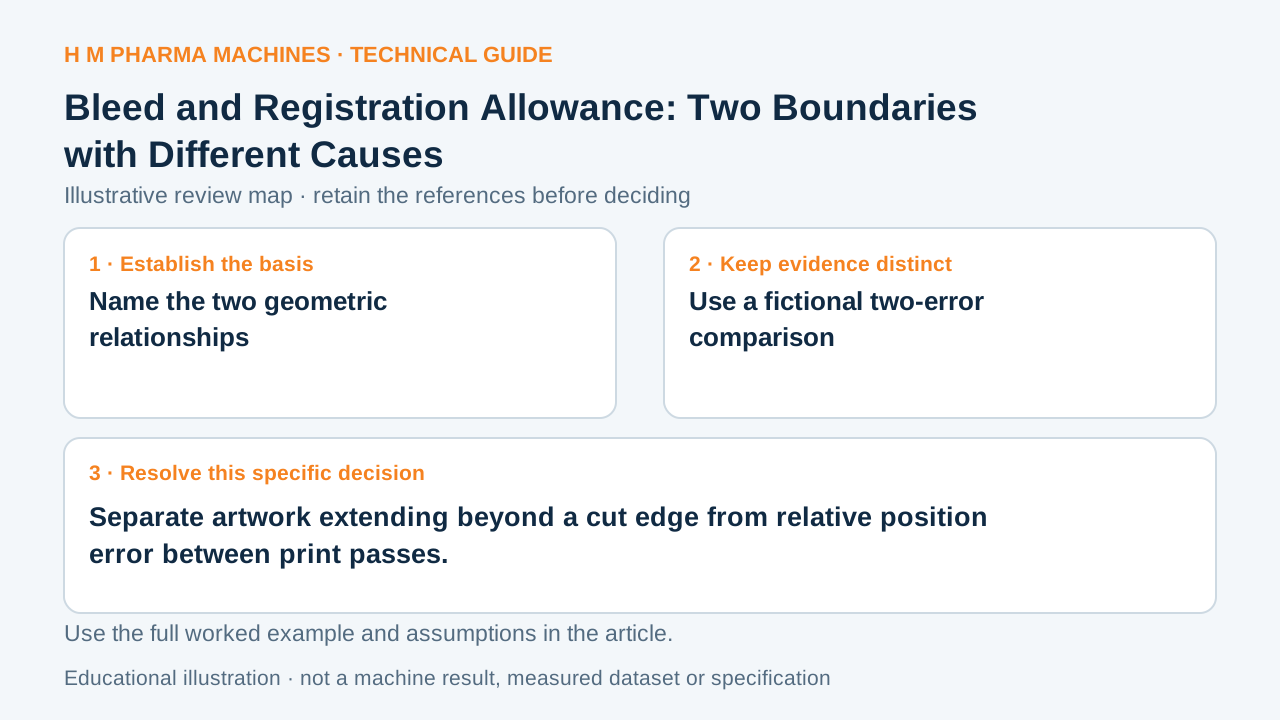
Read Full Article →Separate artwork beyond a trimming edge from relative alignment among printing separations.
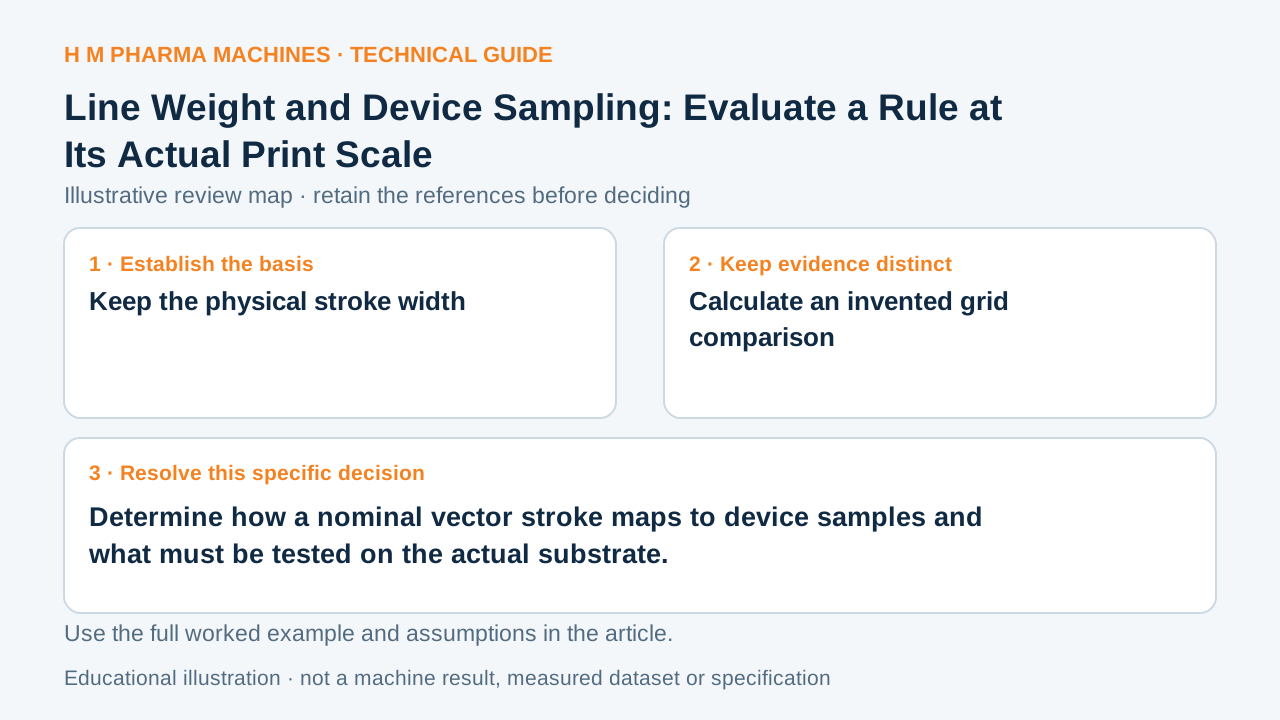
Read Full Article →Relate a vector rule's physical width to device sampling without treating that ratio as a universal printability threshold.
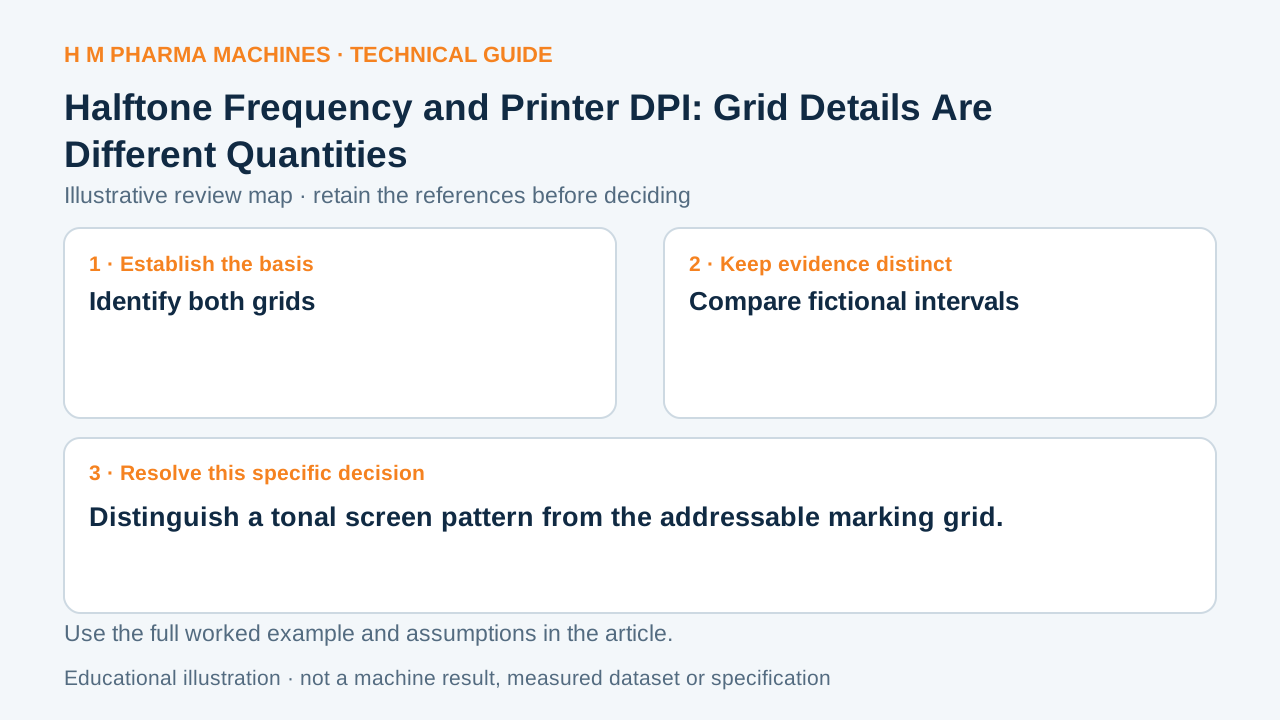
Read Full Article →Keep halftone screen frequency distinct from the marking device's addressable dots when comparing print data.
Read Full Article →Confirm machinery supply, delivery, installation and service locations separately, using the current availability policy and a written site-scope record.
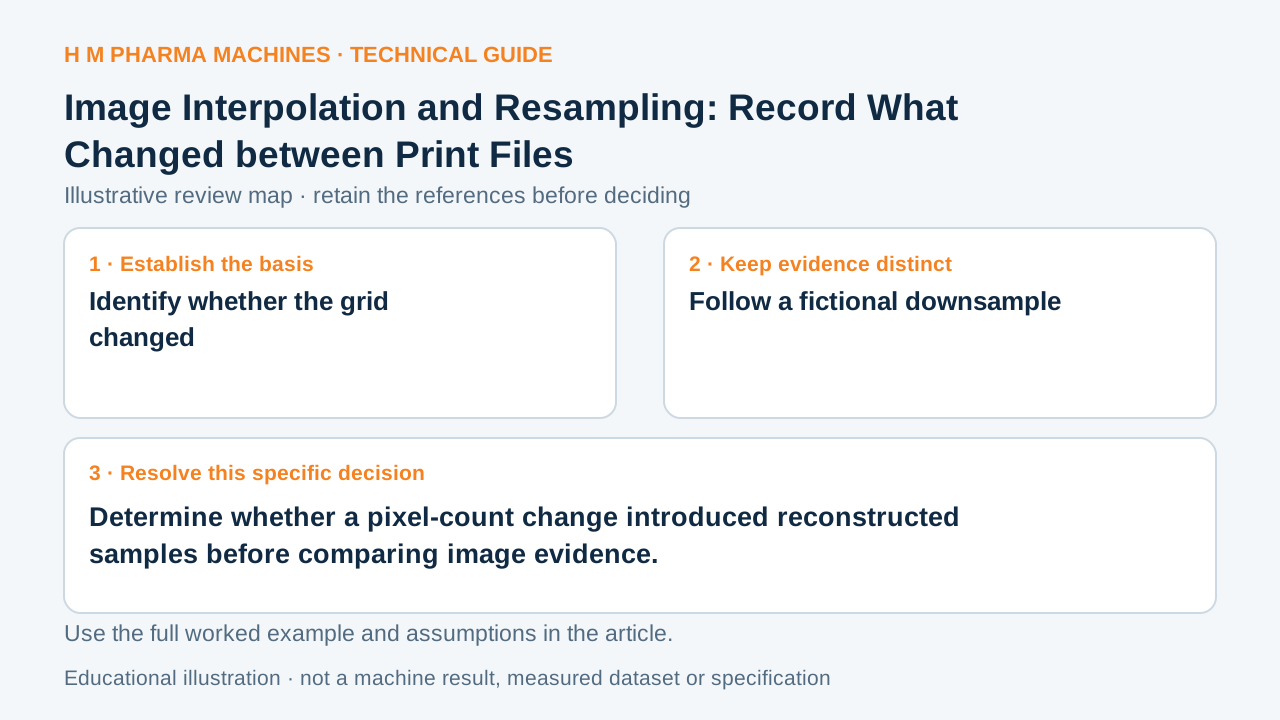
Read Full Article →Identify the changed pixel grid and interpolation method before treating a resized raster as equivalent print evidence.
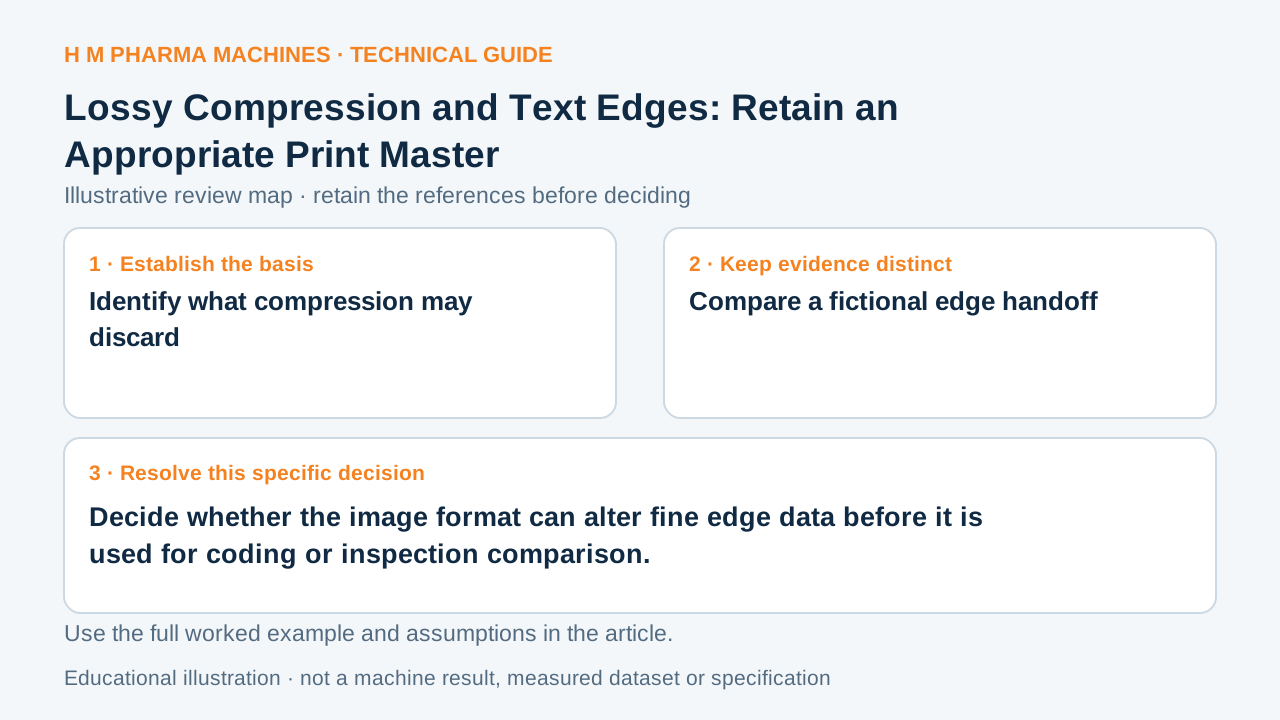
Read Full Article →Review fine text and image edges after lossy compression rather than approving a print master from file size alone.
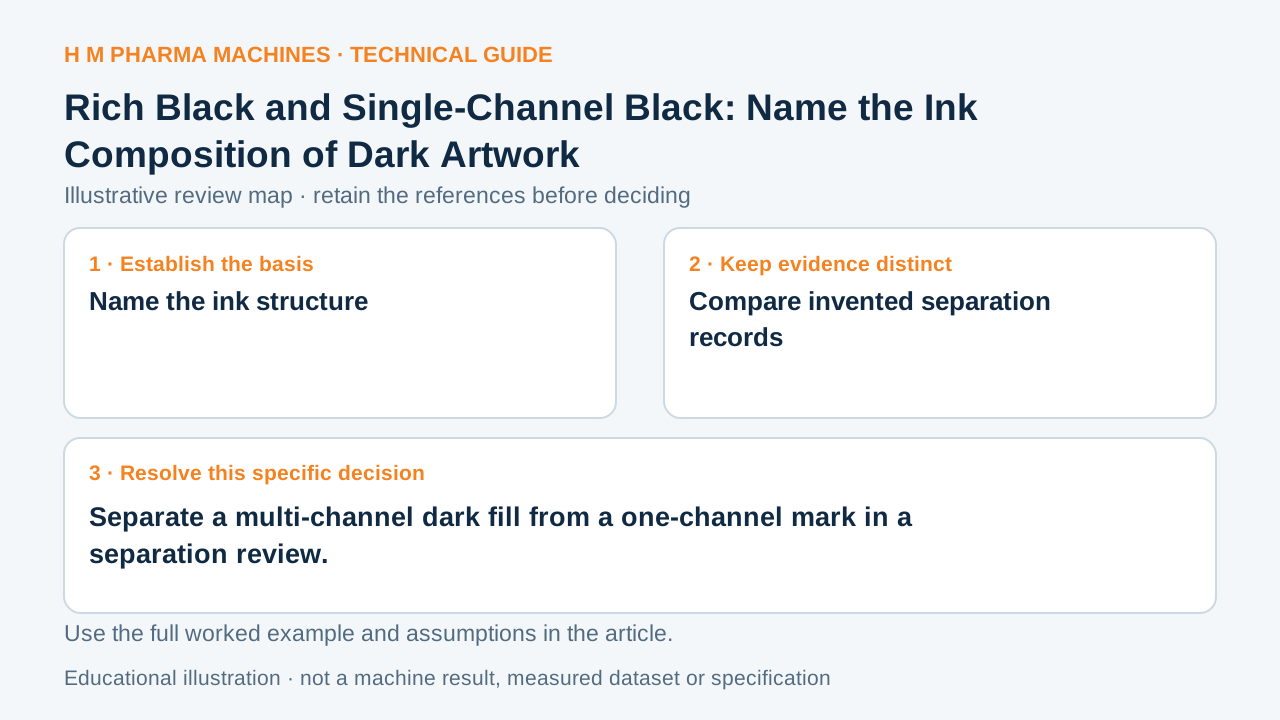
Read Full Article →Inspect the separation composition of dark artwork before interpreting single-channel and multi-channel black as equivalent output.
Read Full Article →State which output condition a colour proof simulates before using it as evidence for the production print.
Read Full Article →Interpret a reported colour-difference value with its named formula and measurement basis rather than the number alone.
Read Full Article →Keep a PDF preflight profile's structural checks separate from approval of the intended packaging information and appearance.
Read Full Article →Compare visible PDF text with its searchable and copied character representation before using extraction as an artwork content check.
Read Full Article →Test the permitted variable-content range in the actual layout rather than approving a template from one short sample value.
Read Full Article →Distinguish numeric values, identifiers and visible formatting rules before approving variable printed codes.
Read Full Article →Define the calendar fields represented by a printed date string before approving an ambiguous compact format.
Read Full Article →Blog overview · Latest articles · Machine guide library
Application-based guidance for selecting equipment according to product, container, closure and output.
Practical considerations for connecting washing, filling, capping, labeling and conveying machinery.
Useful information for changeovers, cleaning, preventive maintenance and dependable machine performance.
Share your product, container, closure, required output and process details with our engineering team.