Powder Segregation: Distinguish Sifting from Trajectory Separation
Distinguish particle movement through voids from separation along a free-flight or landing path when investigating where a blend loses uniformity.
Read Full Article →
Practical guides for selecting, planning, operating and maintaining pharmaceutical manufacturing and packaging machinery.
Latest articles
Practical guides to washing, filling, capping, labeling and machine planning. Each card has a distinct Library date; actual publication and revision dates remain inside the article.
Machine guide library
Browse guides by their distinct Library date. These collection labels are separate from actual publication and revision dates shown inside each article.
Distinguish particle movement through voids from separation along a free-flight or landing path when investigating where a blend loses uniformity.
Read Full Article →Separate volume reduction under a specified load from the strength of the resulting compact; equal densification does not supply equal bonding evidence.
Read Full Article →Compare an assumed mass-spring frequency using both moving mass and effective stiffness.
Read Full Article →Normalize a damping coefficient only against the stated mass and stiffness model.
Read Full Article →Calculate a stated harmonic response without equating the imposed frequency with a structural property.
Read Full Article →Use residual unbalance and angular speed to interpret an illustrative rotating force.
Read Full Article →Distinguish a resultant unbalance from a separated-plane couple before describing a rotor.
Read Full Article →Identify the rotor-support model behind critical speed instead of copying a component RPM limit.
Read Full Article →Distinguish a responsive static-friction force from an impending-slip limit.
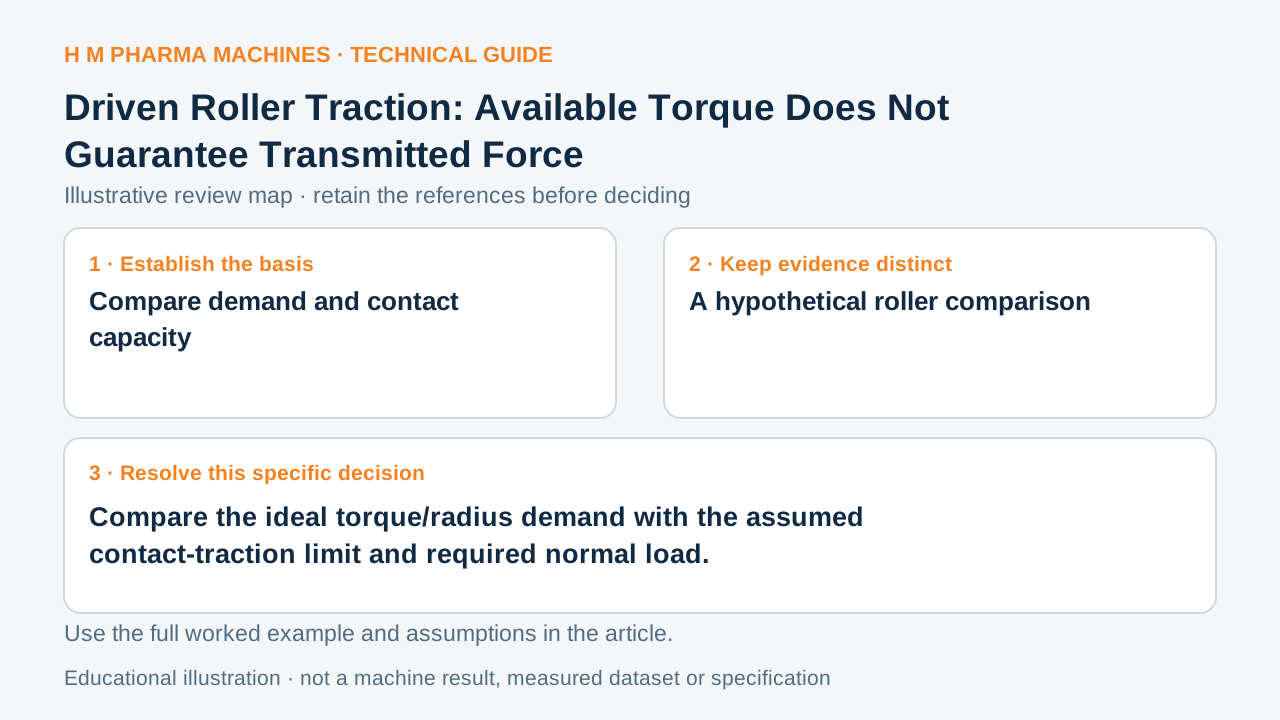
Read Full Article →Compare a roller’s torque demand with the assumed available tangential contact force.
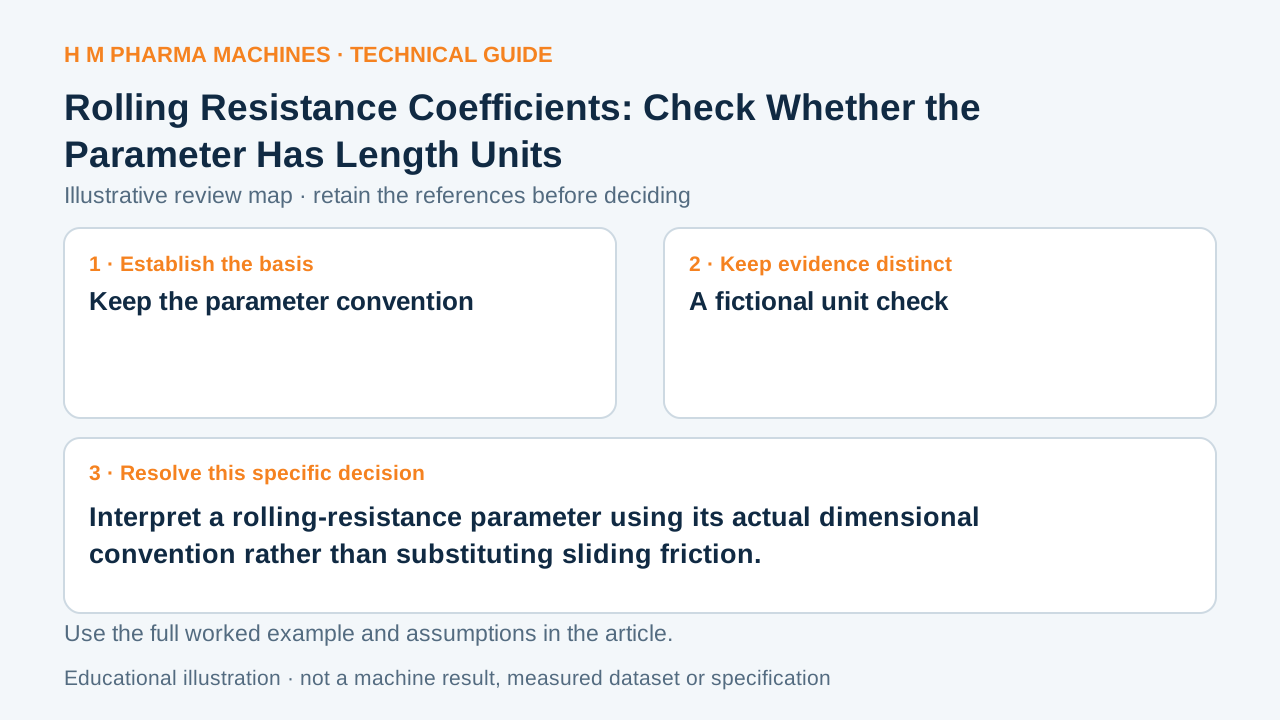
Read Full Article →Check the units of a rolling-resistance parameter before using it in a wheel-force calculation.
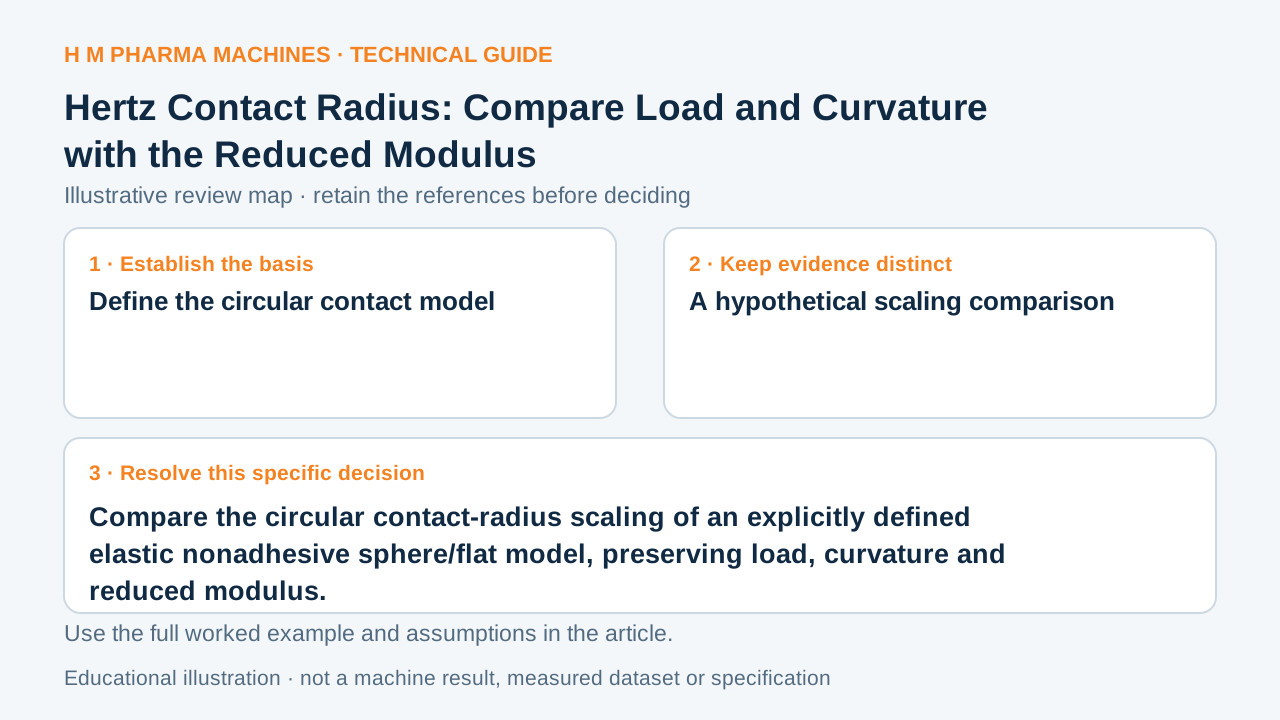
Read Full Article →Compare Hertz contact-radius scaling while retaining the assumed curvature and reduced elastic modulus.
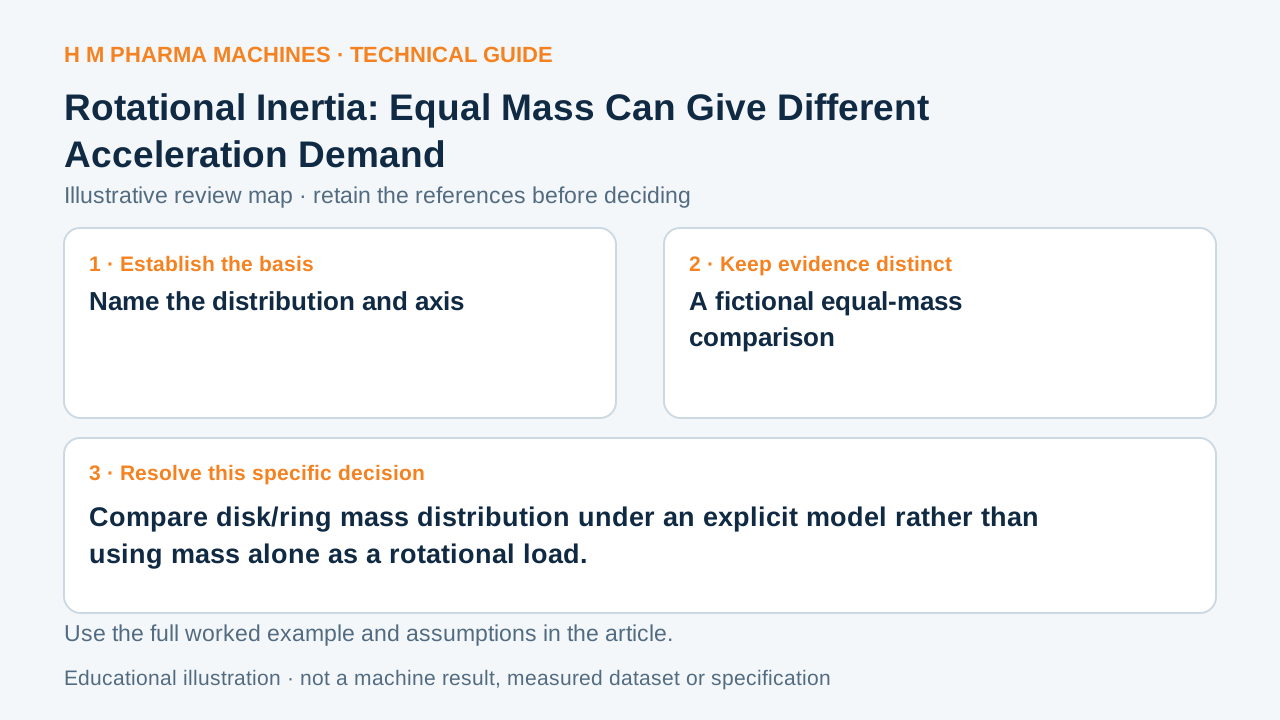
Read Full Article →Retain mass distribution and rotation axis when estimating acceleration torque.
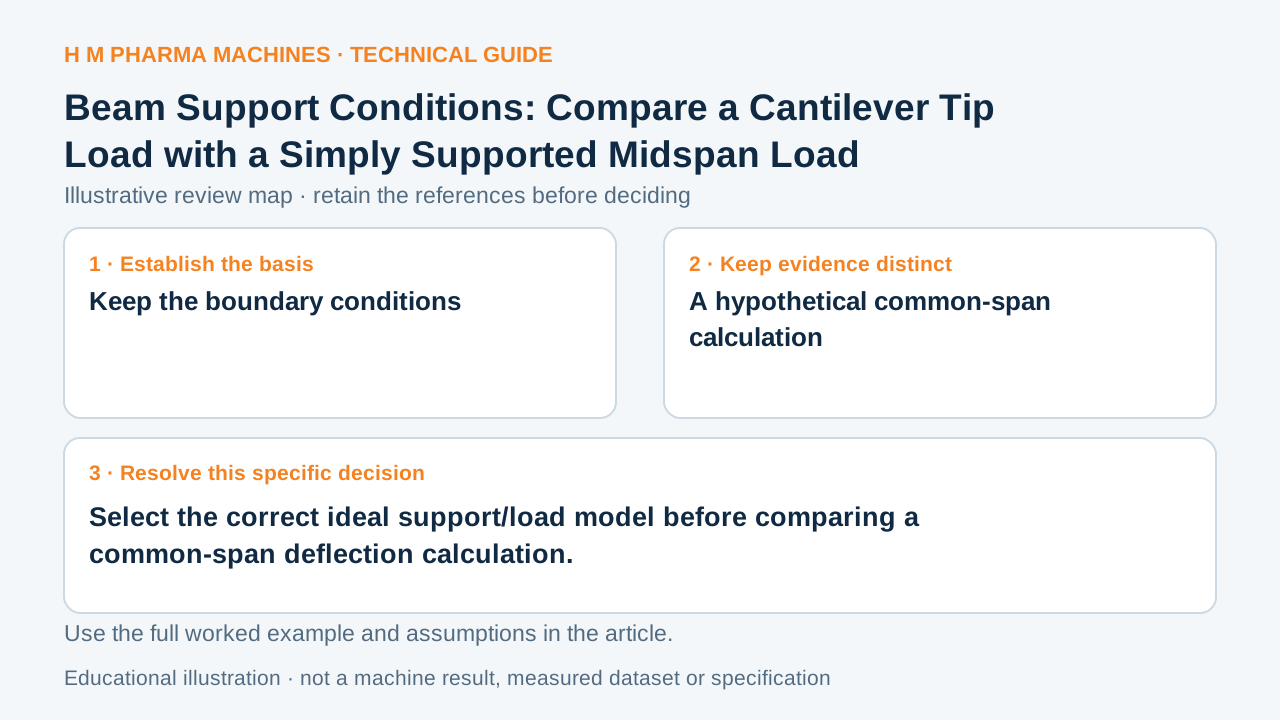
Read Full Article →Choose the ideal support and load location before comparing elastic beam deflection.
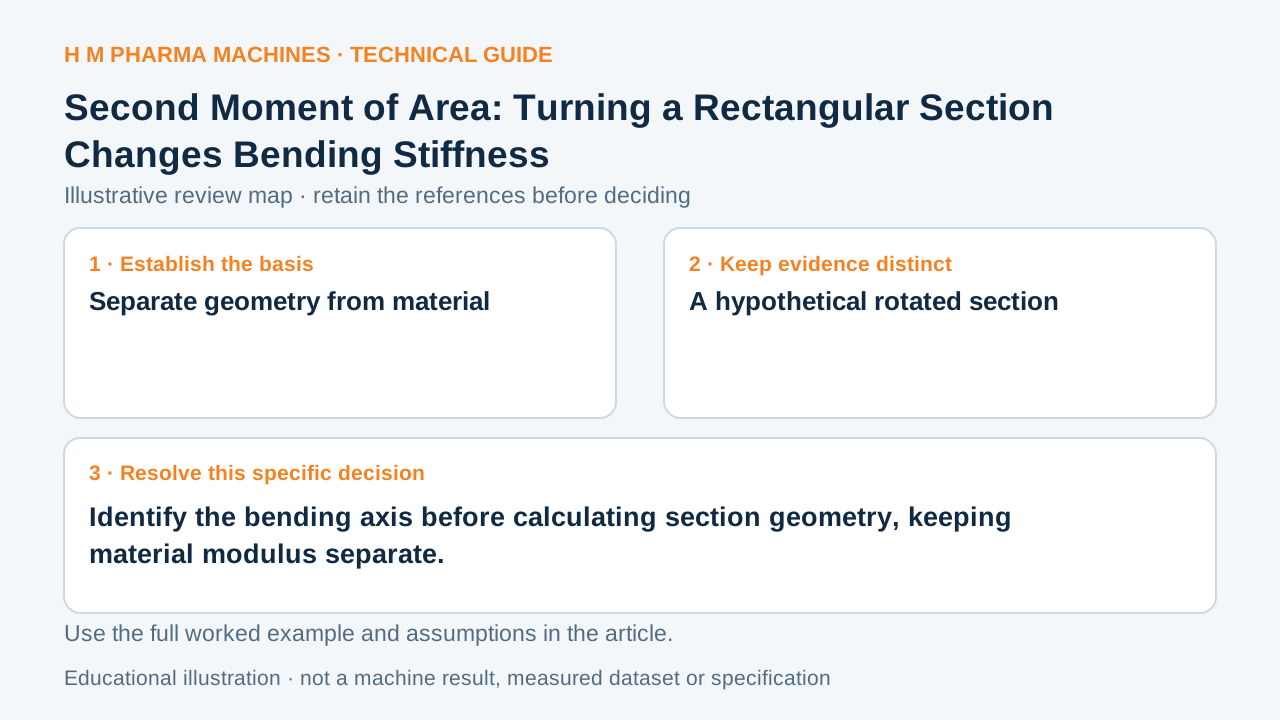
Read Full Article →Identify the bending axis before using a rectangular section’s second moment of area.
Read Full Article →Agree a limited-product machine trial by mapping objectives to preparation and measurement allocations, available material and untested evidence questions.
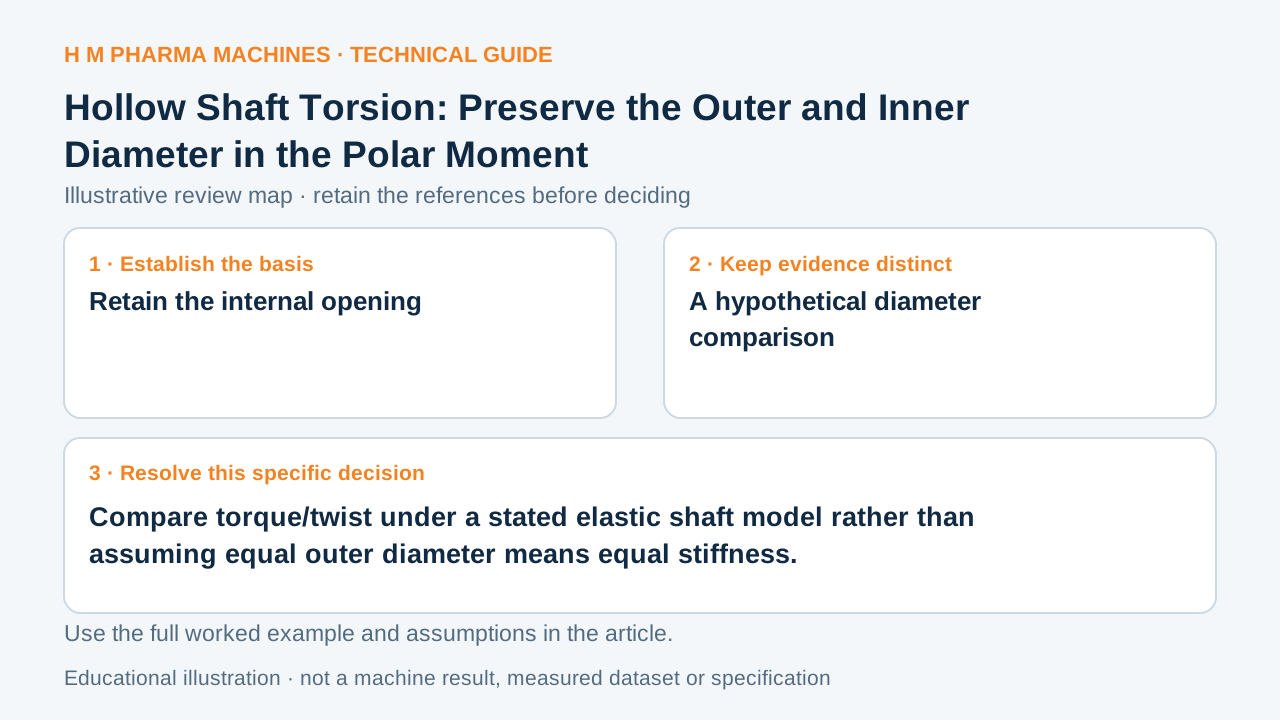
Read Full Article →Keep both diameters when calculating an ideal circular shaft’s torsional stiffness.
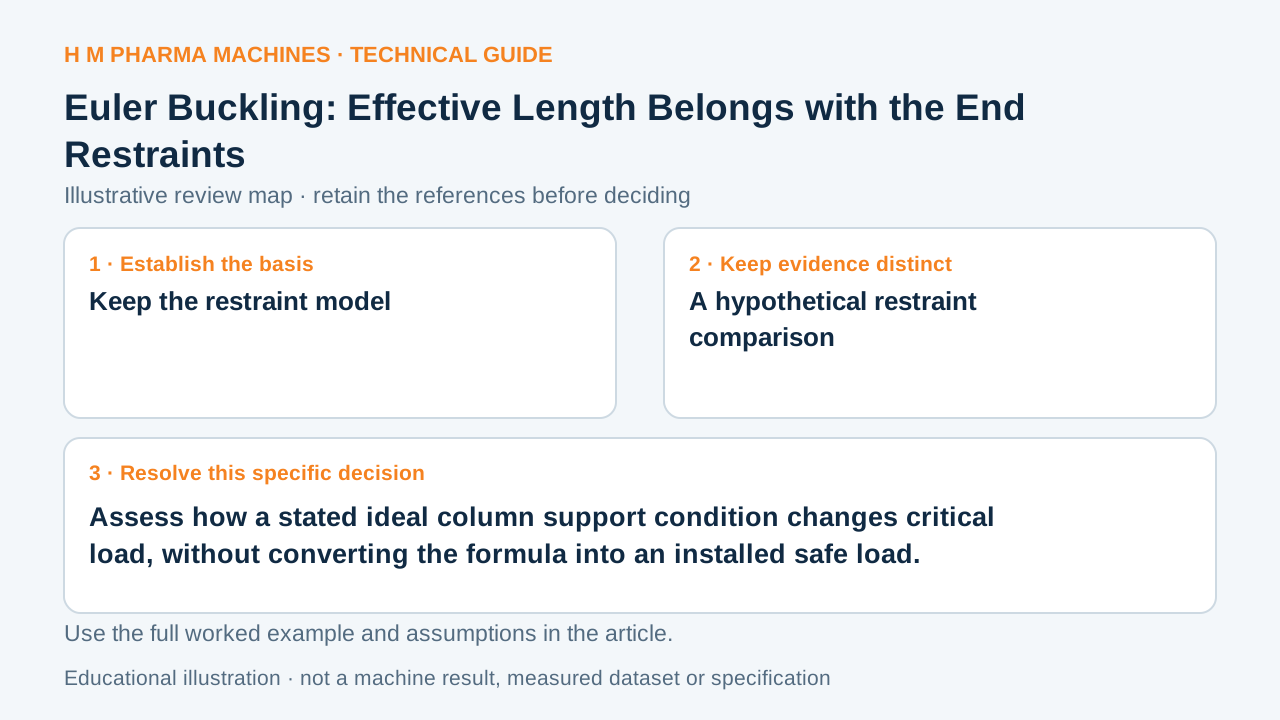
Read Full Article →Pair a column’s effective-length factor with the stated end restraints.
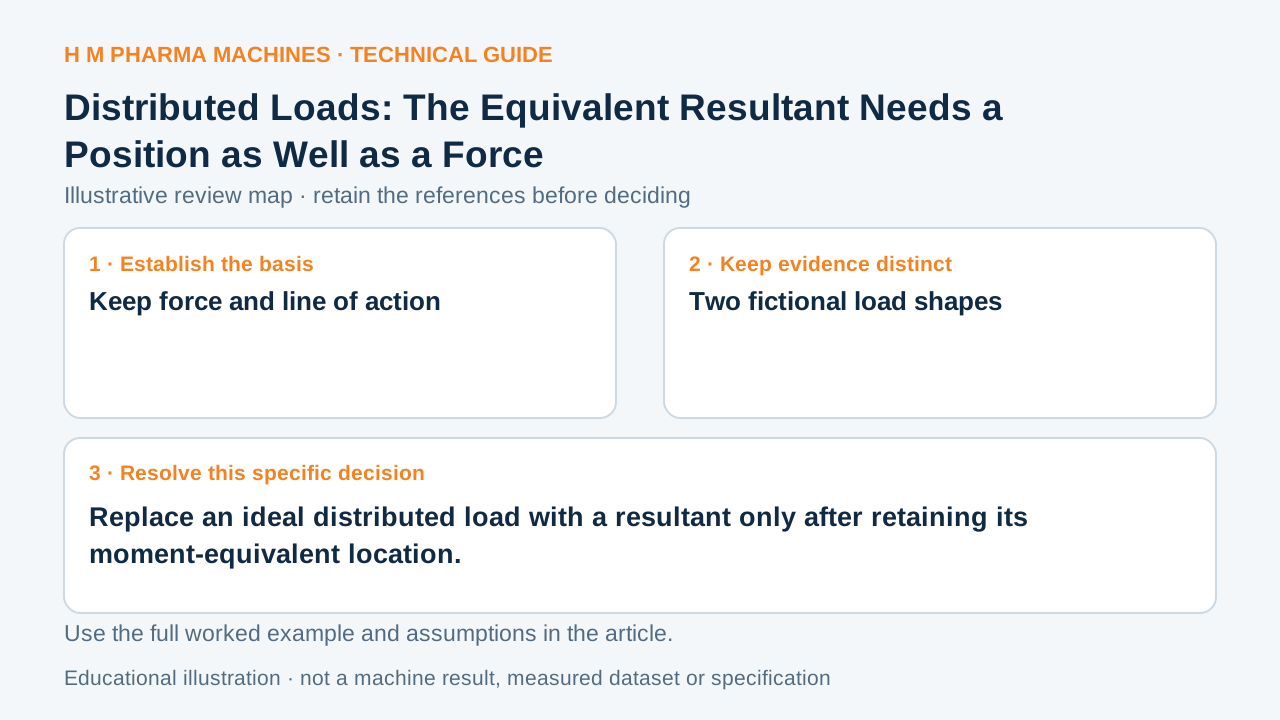
Read Full Article →Retain a distributed load’s moment-equivalent location when replacing it with one resultant.
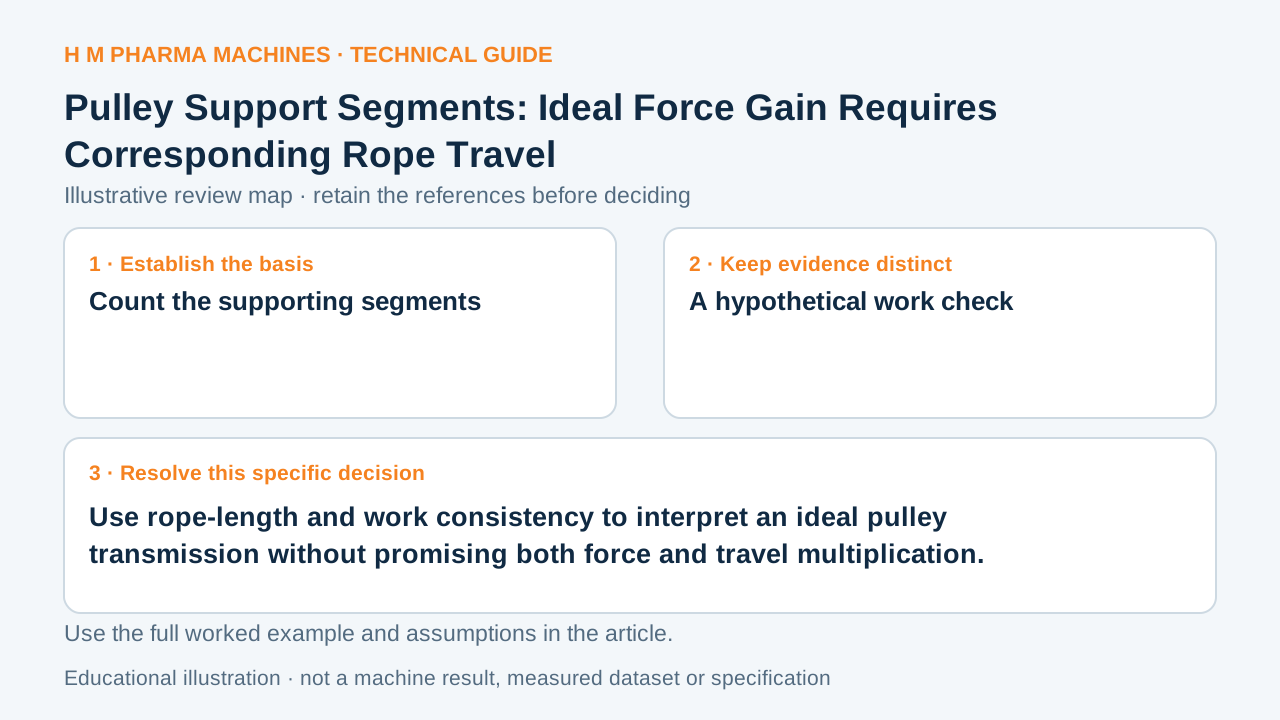
Read Full Article →Check both force and rope travel when describing an ideal pulley arrangement.
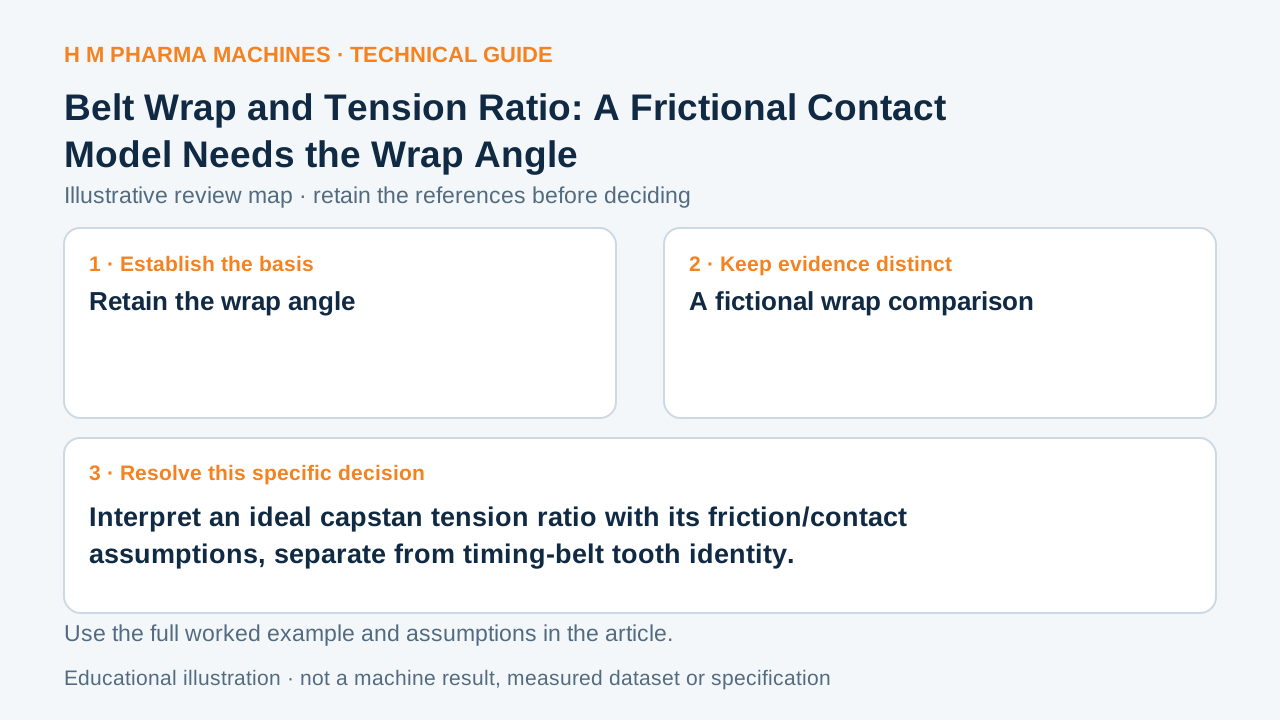
Read Full Article →Include contact angle and friction assumptions when interpreting a flat-belt tension ratio.
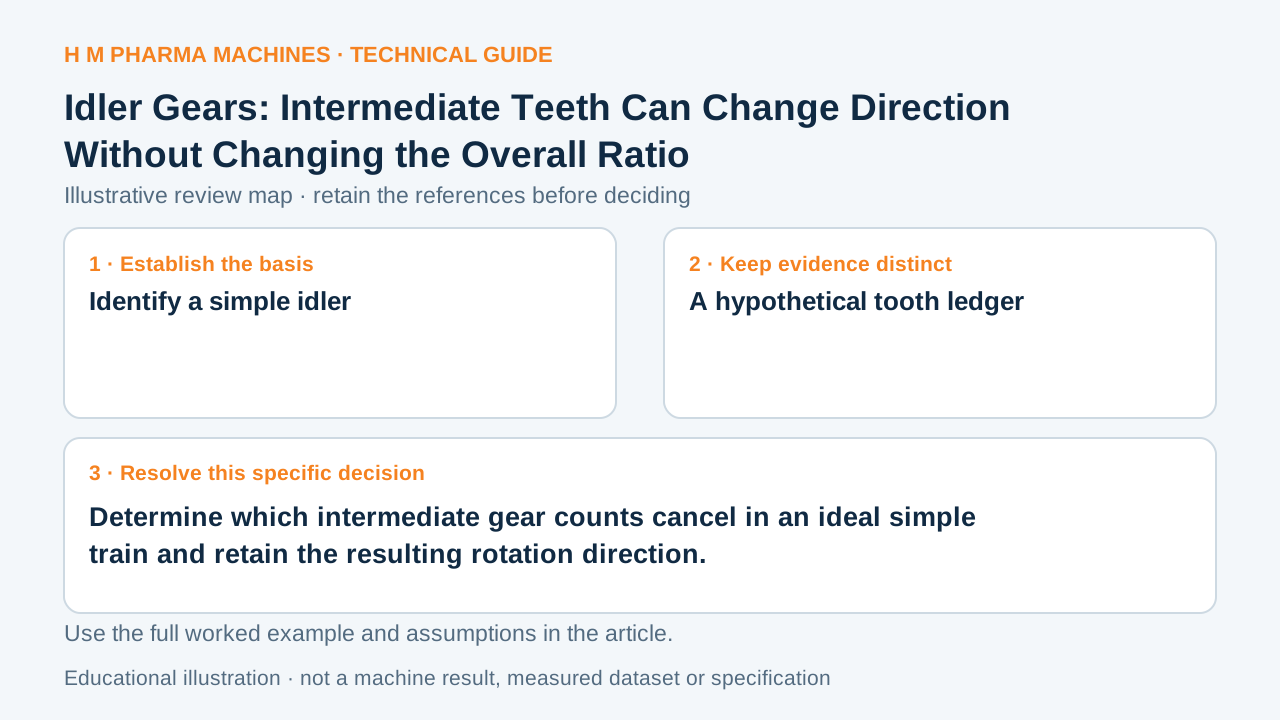
Read Full Article →Check cancellation and rotation direction separately in a simple gear train.
Read Full Article →Identify fixed, input and output members before calculating a planetary speed relation.
Read Full Article →Preserve the axial force component in a parallel-axis helical gear assessment.
Read Full Article →Blog overview · Latest articles · Machine guide library
Application-based guidance for selecting equipment according to product, container, closure and output.
Practical considerations for connecting washing, filling, capping, labeling and conveying machinery.
Useful information for changeovers, cleaning, preventive maintenance and dependable machine performance.
Share your product, container, closure, required output and process details with our engineering team.