A Balanced Resistance Bridge: Ratios Can Match Without Equal Individual Resistances
Interpret bridge balance through divider ratios instead of assuming all four resistance values must be identical.
Read Full Article →
Practical guides for selecting, planning, operating and maintaining pharmaceutical manufacturing and packaging machinery.
Latest articles
Practical guides to washing, filling, capping, labeling and machine planning. Each card has a distinct Library date; actual publication and revision dates remain inside the article.
Machine guide library
Browse guides by their distinct Library date. These collection labels are separate from actual publication and revision dates shown inside each article.
Interpret bridge balance through divider ratios instead of assuming all four resistance values must be identical.
Read Full Article →Use an explicitly defined RC charging model to separate its time constant from a chosen completion criterion.
Read Full Article →Separate the energy stored in an ideal coil from resistive power dissipated while it is energized.
Read Full Article →Retain frequency when comparing ideal inductive and capacitive reactance instead of treating them as DC resistance.
Read Full Article →Convert a stated sinusoidal peak into RMS before comparing ideal resistive heating.
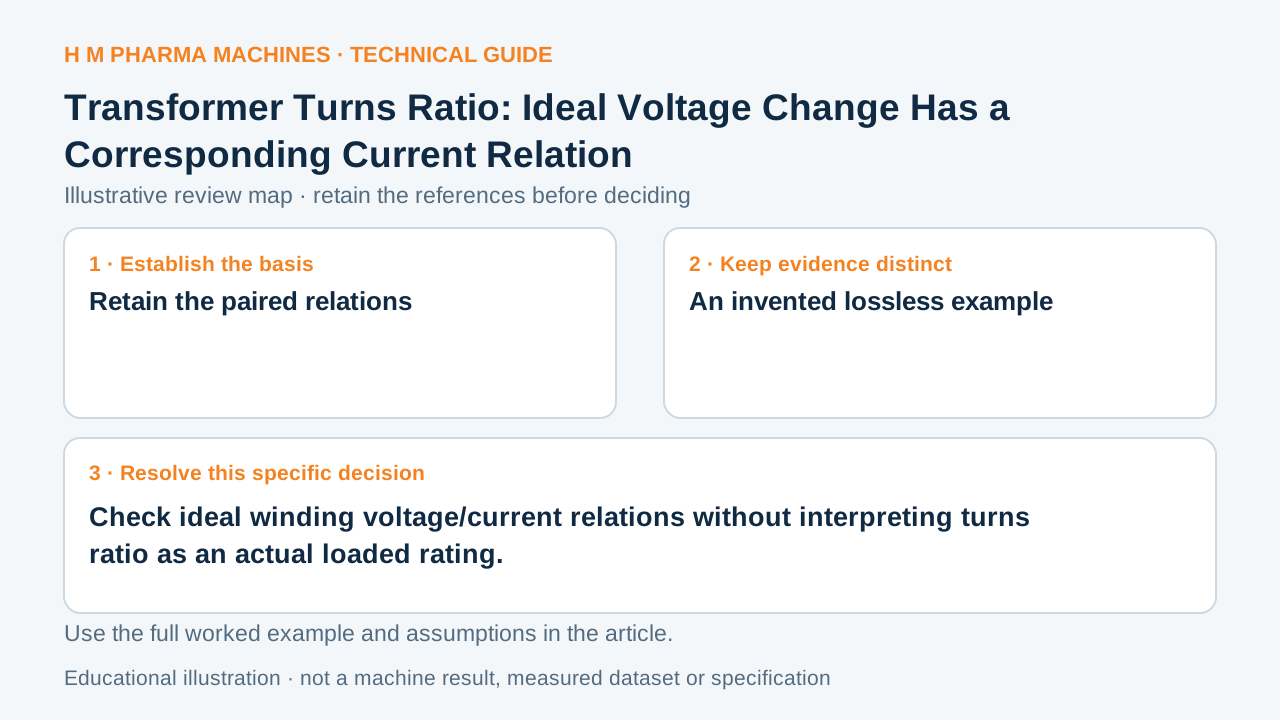
Read Full Article →Compare ideal transformer winding voltage and current ratios while retaining the lossless model assumptions.
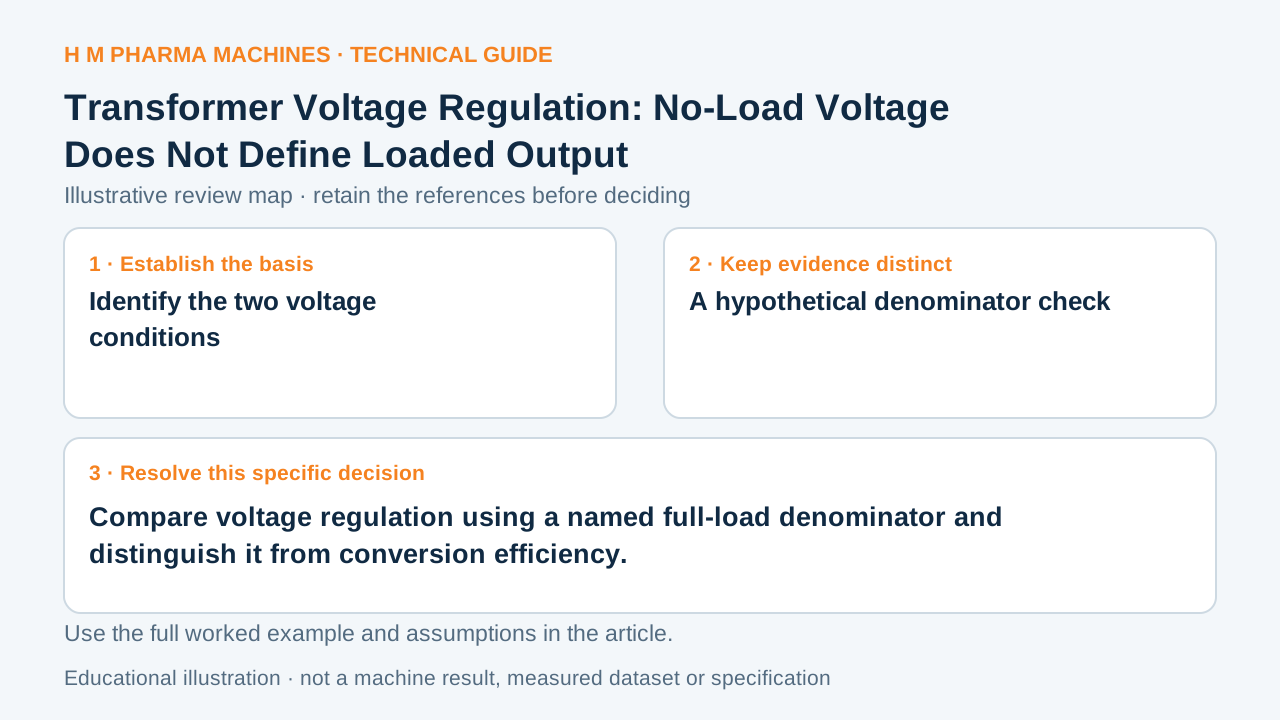
Read Full Article →Interpret transformer voltage regulation with its stated load condition and denominator before comparing offers.
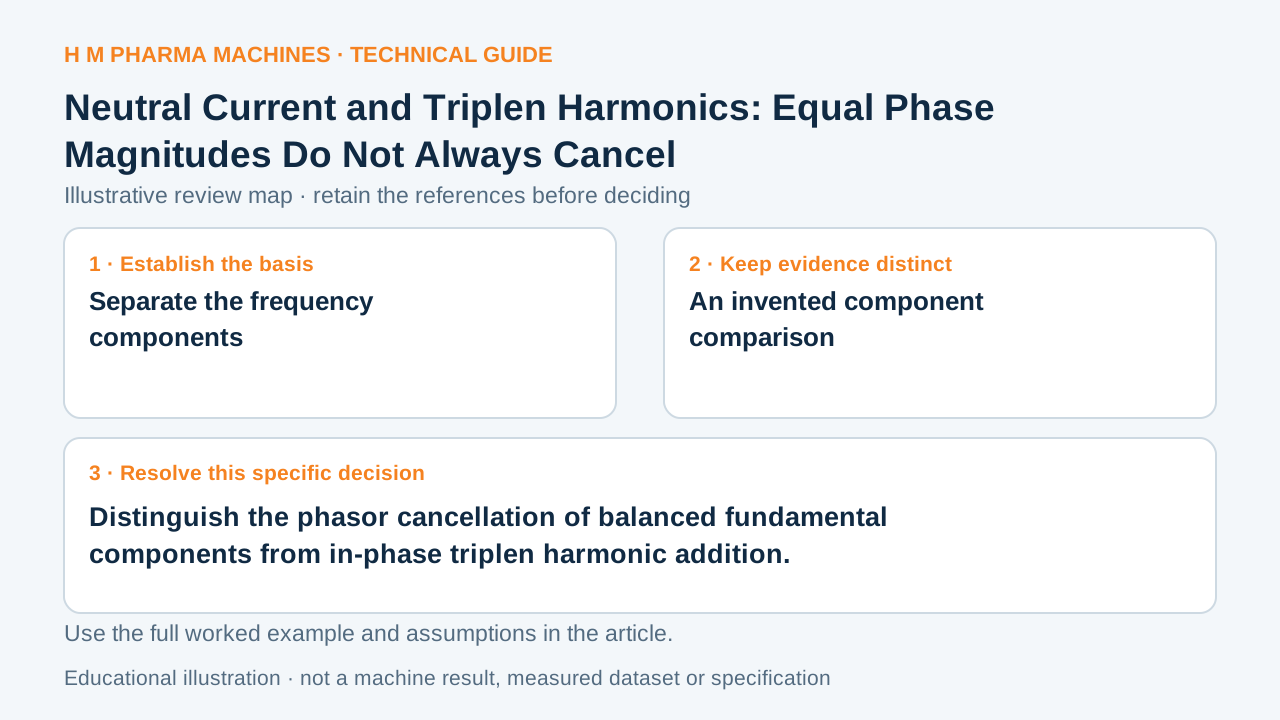
Read Full Article →Distinguish fundamental-current cancellation from triplen-harmonic addition in a stated three-phase model.
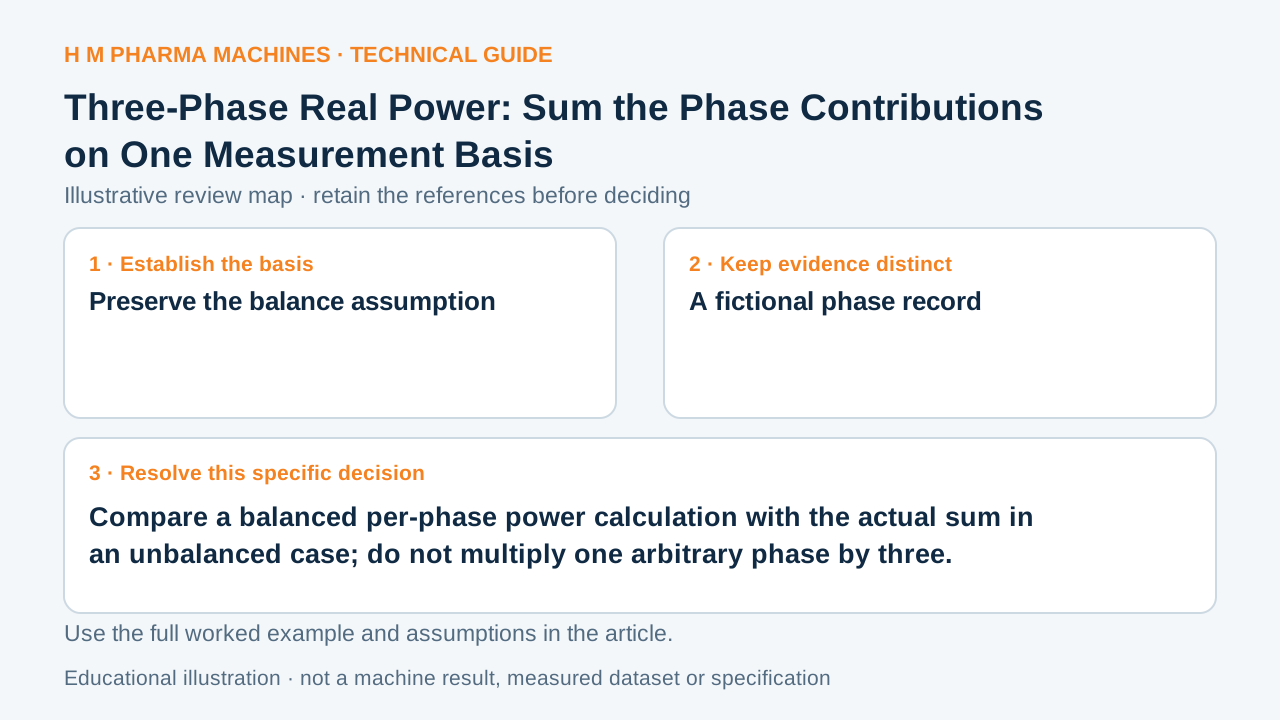
Read Full Article →Add the actual phase real-power contributions instead of multiplying one arbitrary phase by three.
Read Full Article →Keep a diode’s forward conduction model distinct from its reverse-voltage limits.
Read Full Article →Count rectified waveform repetitions before interpreting the ripple frequency of an AC-to-DC circuit.
Read Full Article →Ask for the configuration, operating mode, quantity and measurement conditions behind machine noise information before reviewing a proposed workstation.
Read Full Article →Estimate ideal capacitor voltage change from a stated load current and discharge interval.
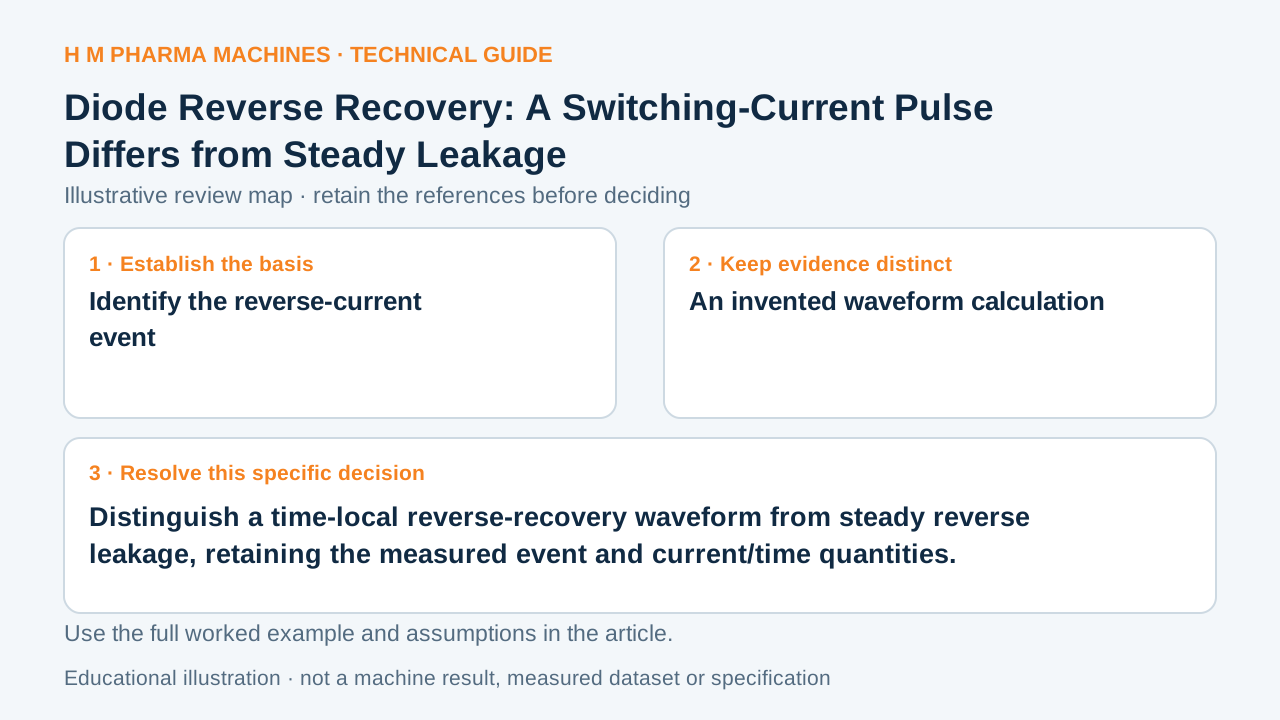
Read Full Article →Separate a diode’s reverse-recovery transition waveform from its steady reverse-leakage condition.
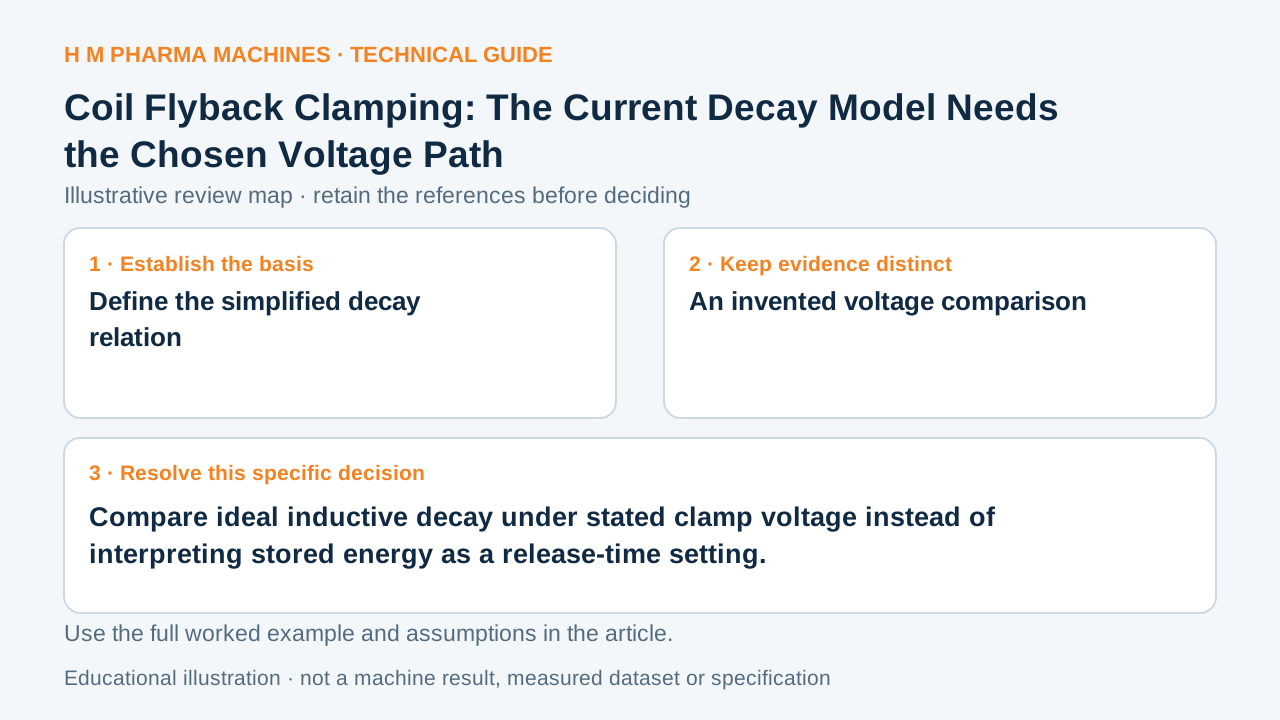
Read Full Article →Retain the voltage opposing coil current when comparing an ideal current-decay time.
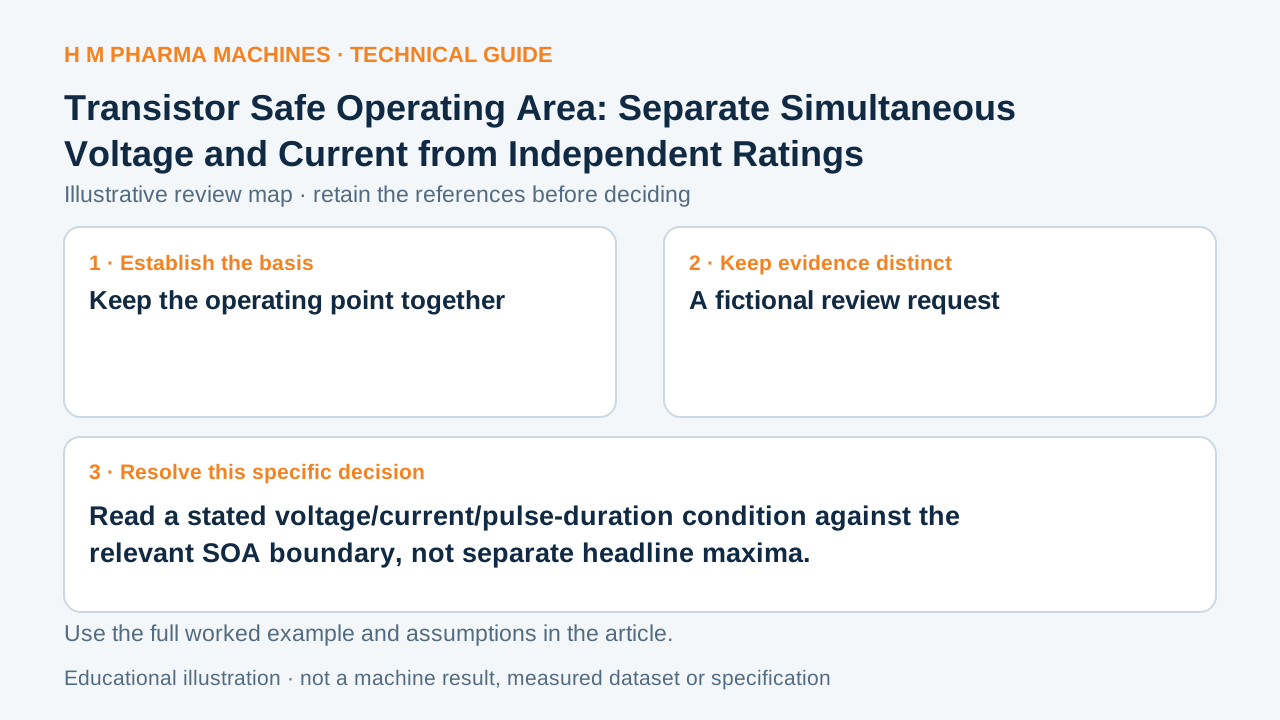
Read Full Article →Review simultaneous voltage, current and duration against the appropriate transistor safe-operating-area evidence.
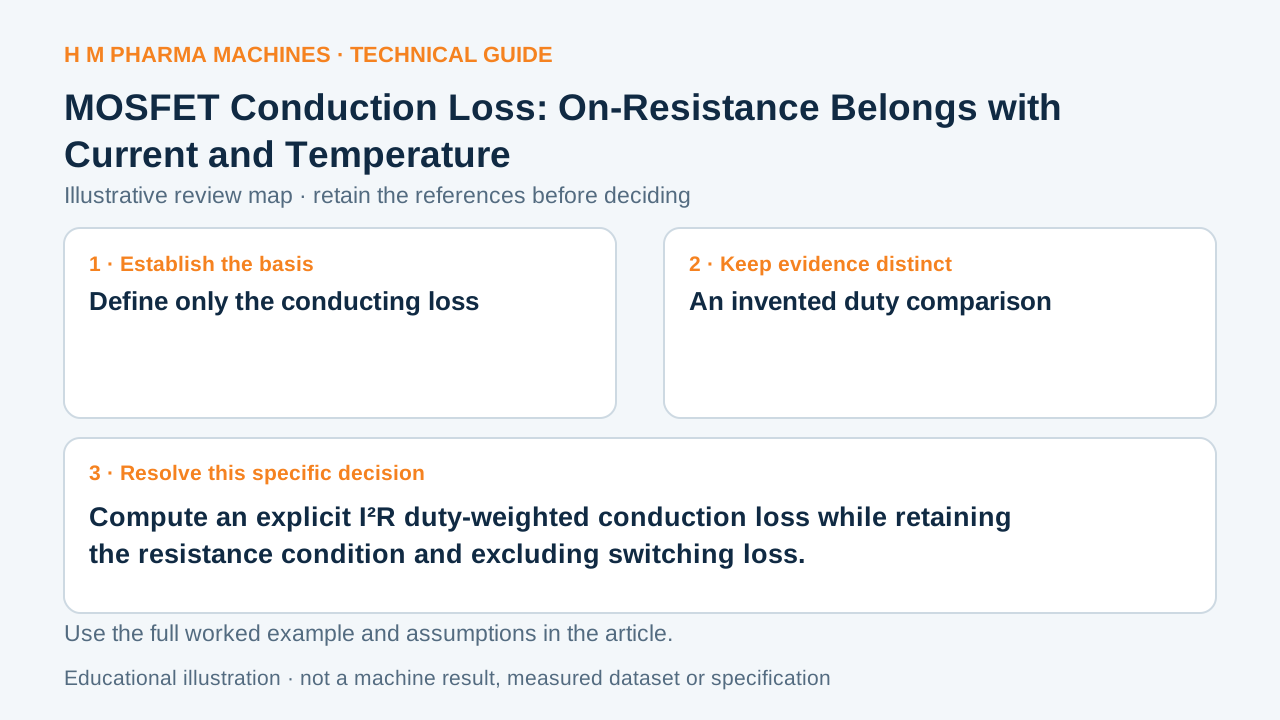
Read Full Article →Retain resistance condition and current waveform when estimating MOSFET conduction loss.
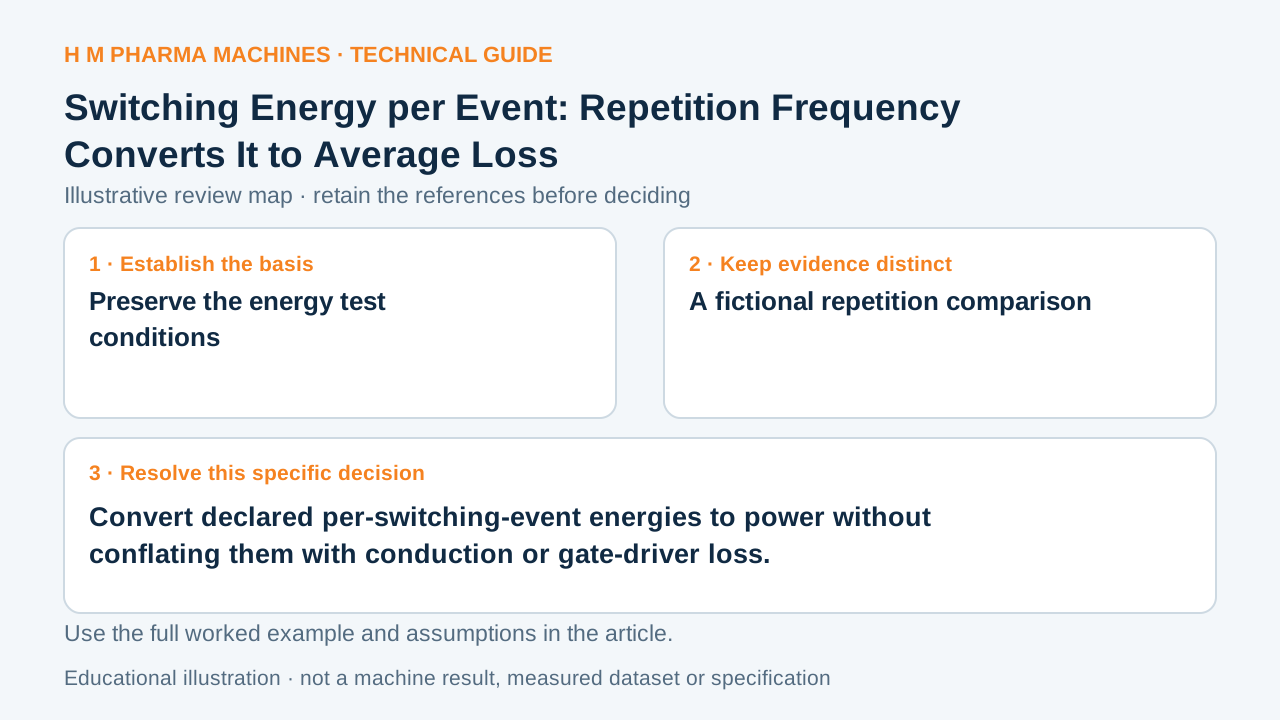
Read Full Article →Convert declared turn-on and turn-off energy per cycle into average switching loss at a stated repetition rate.
Read Full Article →Separate average gate-driver supply demand from the pulse current associated with a transition.
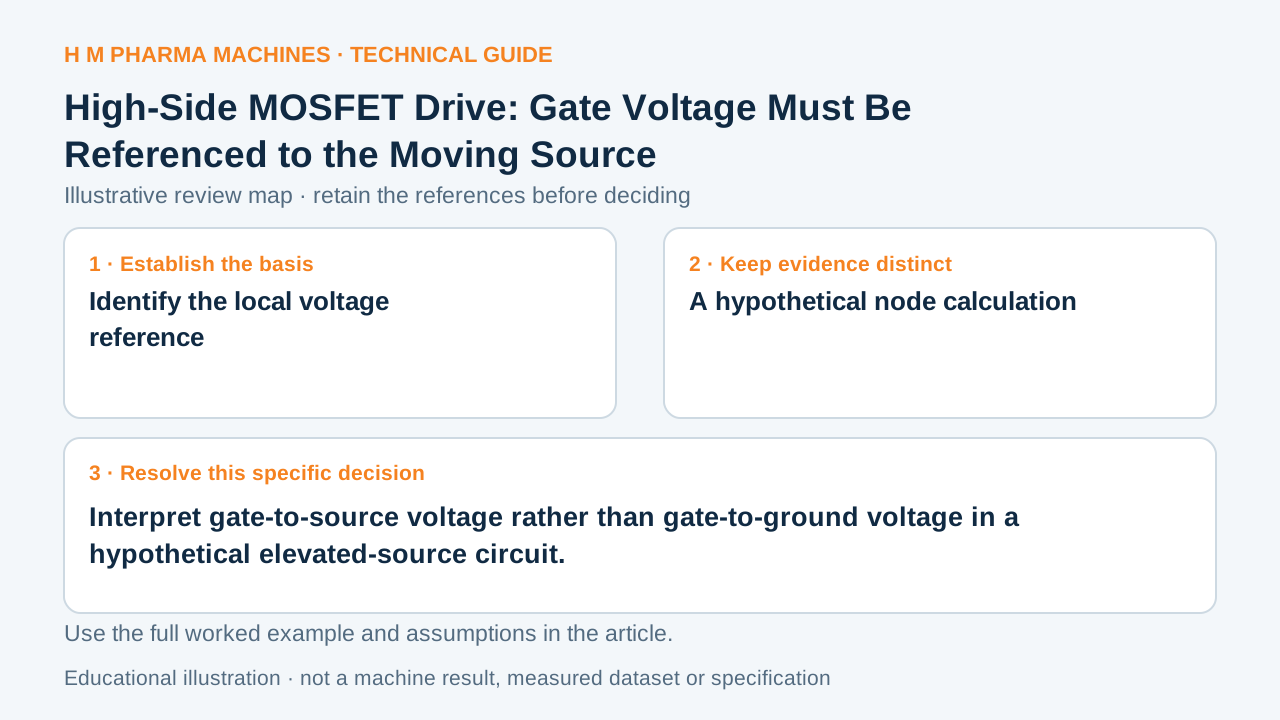
Read Full Article →Interpret an elevated-source MOSFET through gate-to-source voltage rather than gate-to-ground voltage alone.
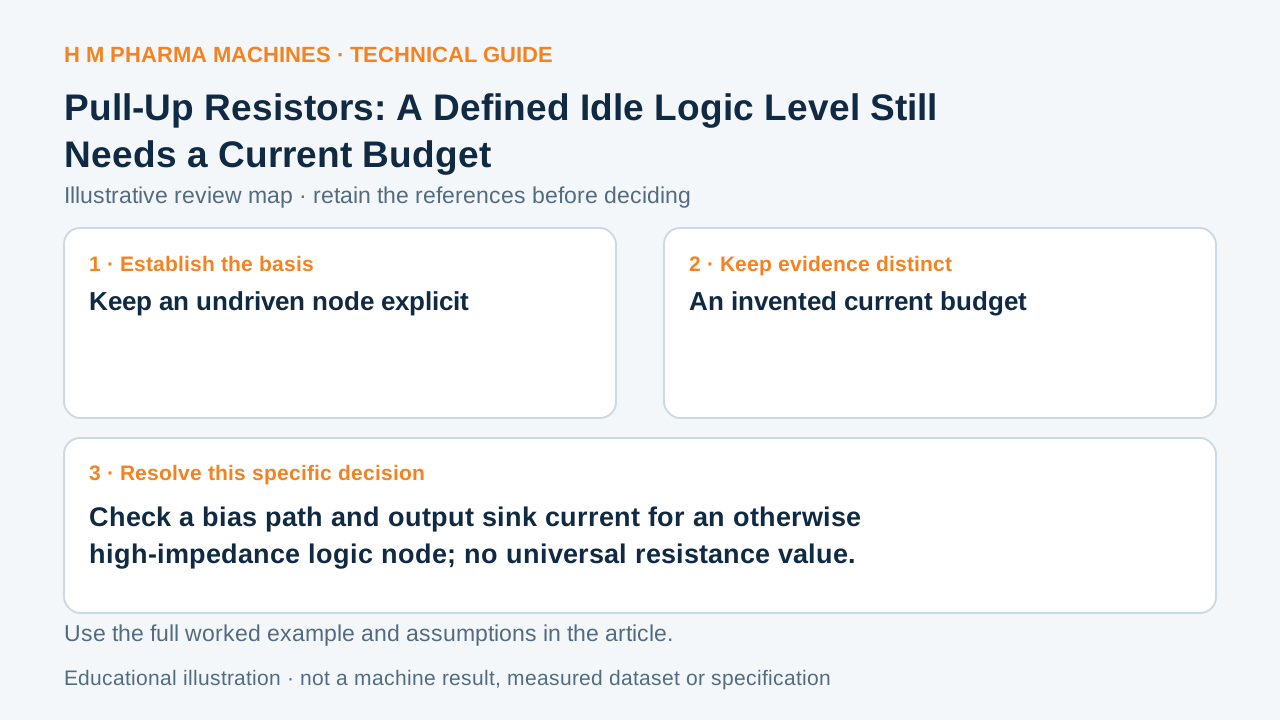
Read Full Article →Identify the bias path and current budget that define the idle state of a high-impedance logic node.
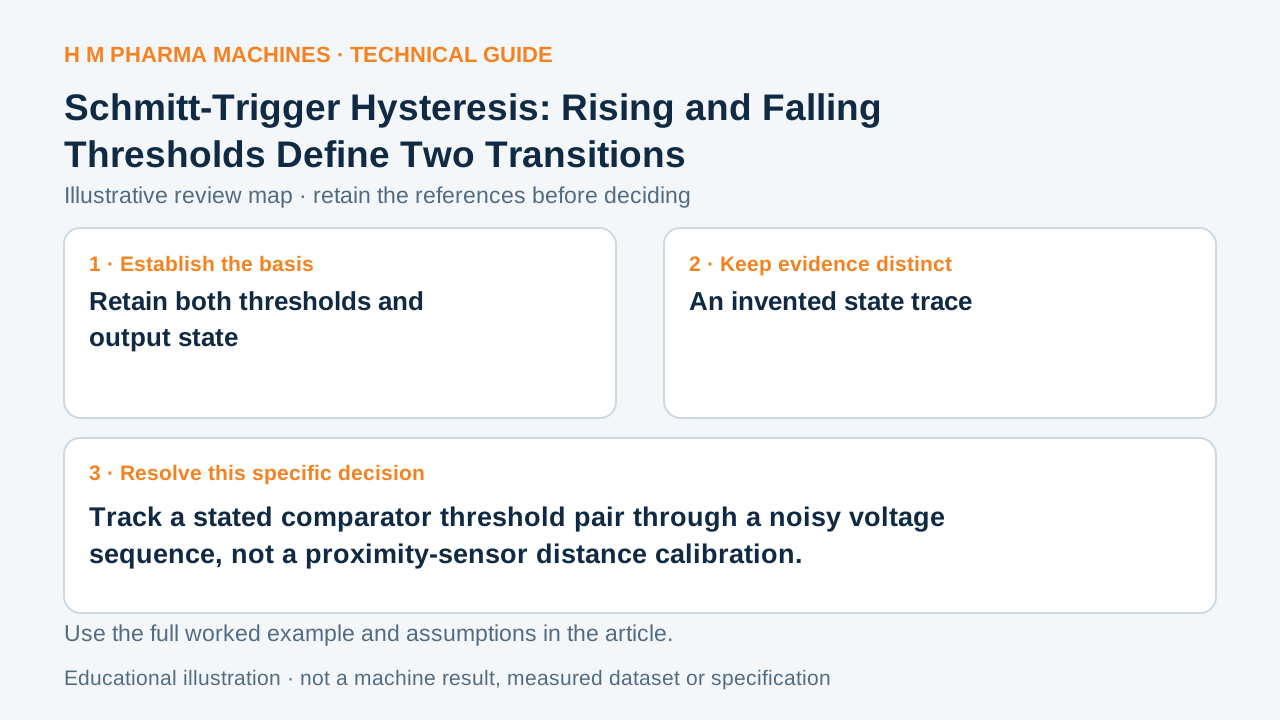
Read Full Article →Trace distinct rising and falling voltage thresholds before interpreting comparator output transitions.
Read Full Article →Separate a contact’s electrical transition burst from the logical operation the application intends to count.
Read Full Article →Identify trigger, timing interval and retrigger behavior when reviewing a one-shot pulse.
Read Full Article →Blog overview · Latest articles · Machine guide library
Application-based guidance for selecting equipment according to product, container, closure and output.
Practical considerations for connecting washing, filling, capping, labeling and conveying machinery.
Useful information for changeovers, cleaning, preventive maintenance and dependable machine performance.
Share your product, container, closure, required output and process details with our engineering team.