Powder Friability: Separate Transport-Induced Breakage from Initial Size
Compare identified handling exposures with a baseline size report to distinguish newly generated fines from fines that were already present.
Read Full Article →
Practical guides for selecting, planning, operating and maintaining pharmaceutical manufacturing and packaging machinery.
Latest articles
Practical guides to washing, filling, capping, labeling and machine planning. Each card has a distinct Library date; actual publication and revision dates remain inside the article.
Machine guide library
Browse guides by their distinct Library date. These collection labels are separate from actual publication and revision dates shown inside each article.
Compare identified handling exposures with a baseline size report to distinguish newly generated fines from fines that were already present.
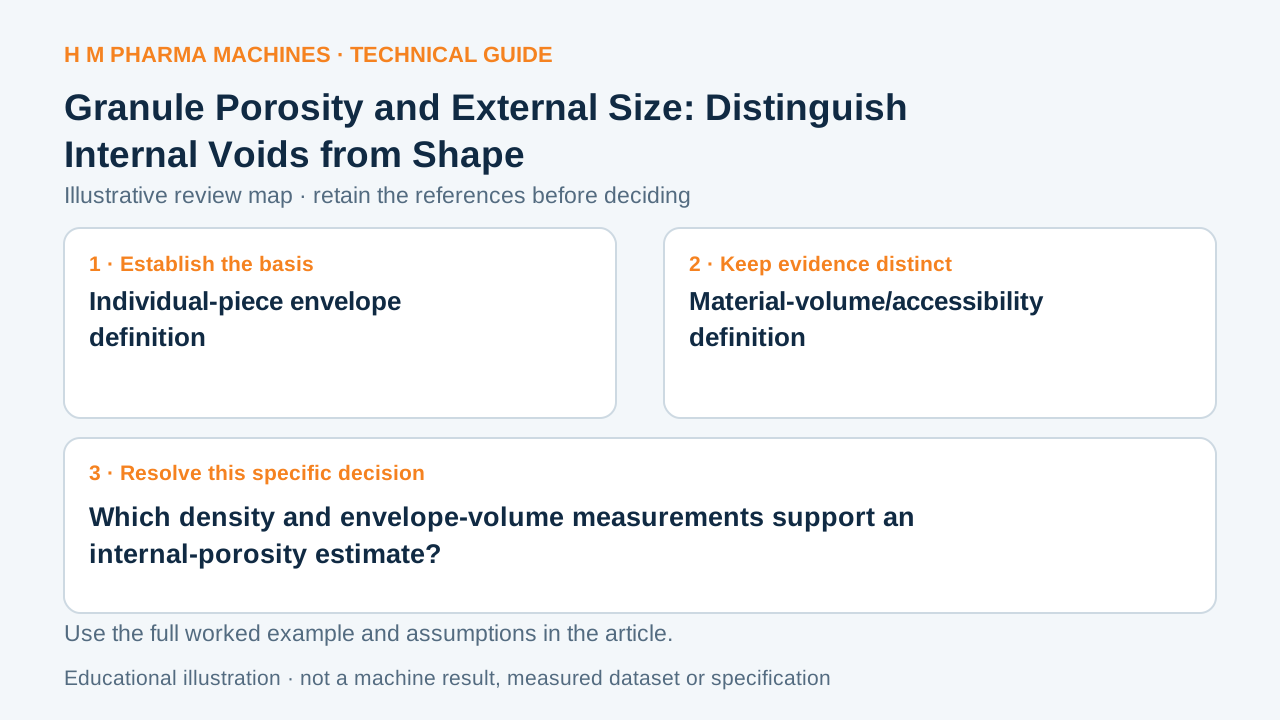
Read Full Article →Use individual-piece envelope and material-volume evidence for a porosity estimate; loose powder-bed volume answers a different question.
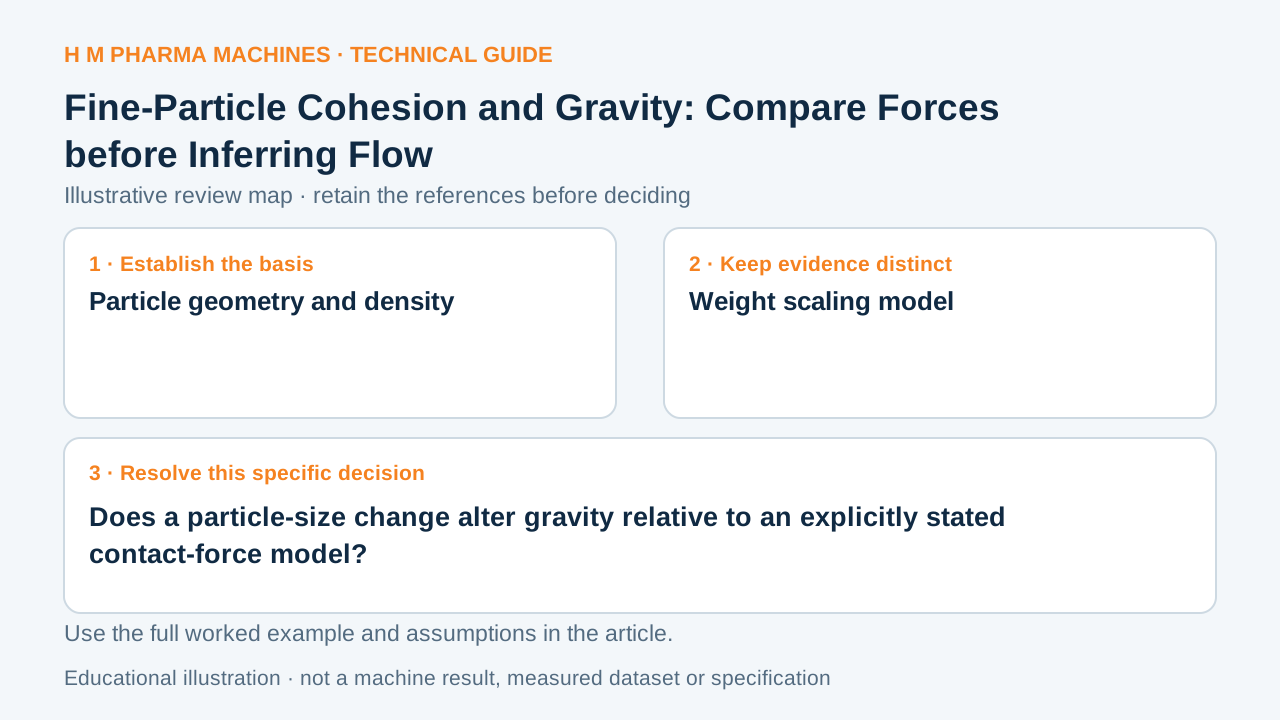
Read Full Article →A particle-size reduction changes weight strongly; state the contact-force assumption before predicting its relative importance for movement.
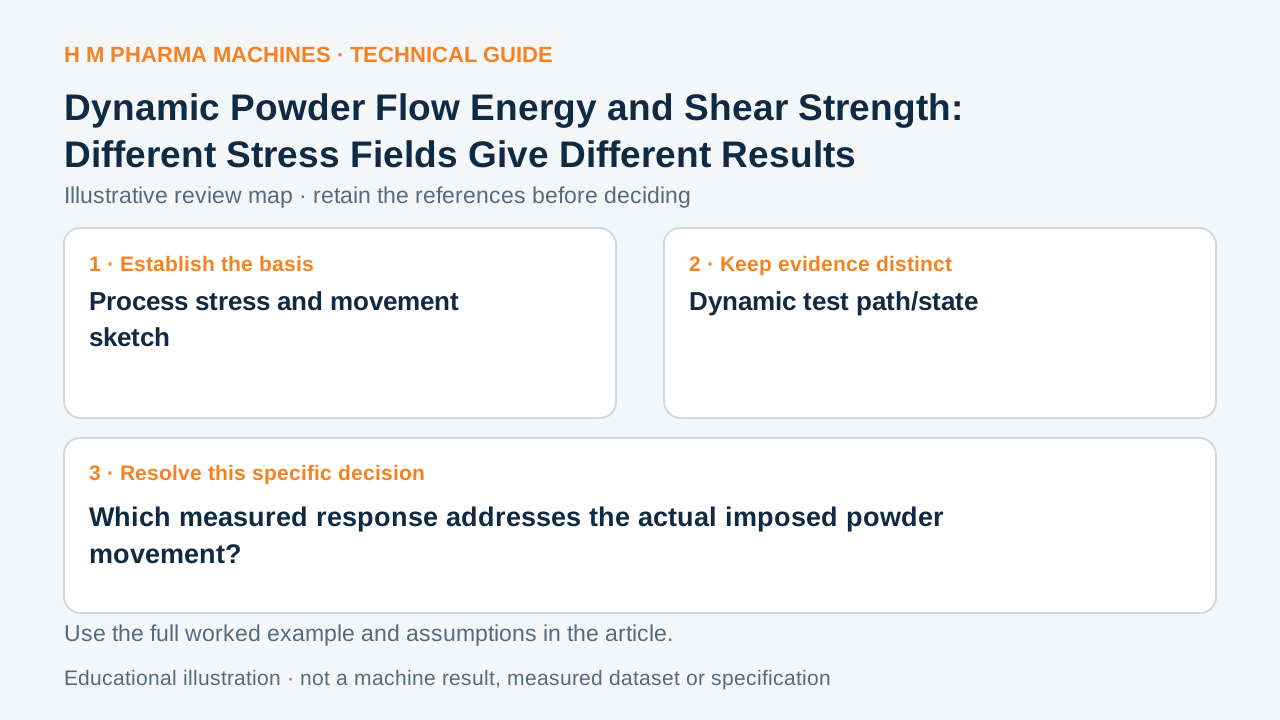
Read Full Article →Select the powder response that matches the imposed movement instead of converting dynamic flow energy into consolidated shear strength.
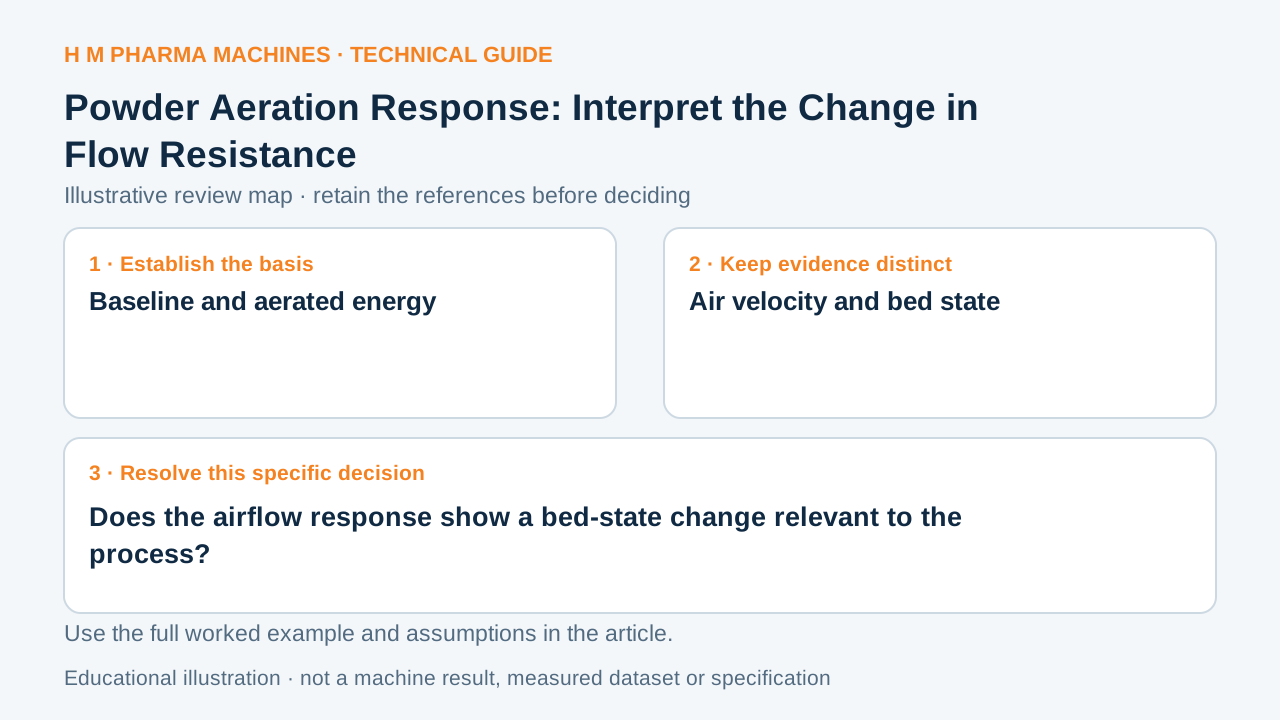
Read Full Article →Retain an airflow-dependent resistance curve when assessing aeration; an unaerated value alone cannot describe the measured response to air.
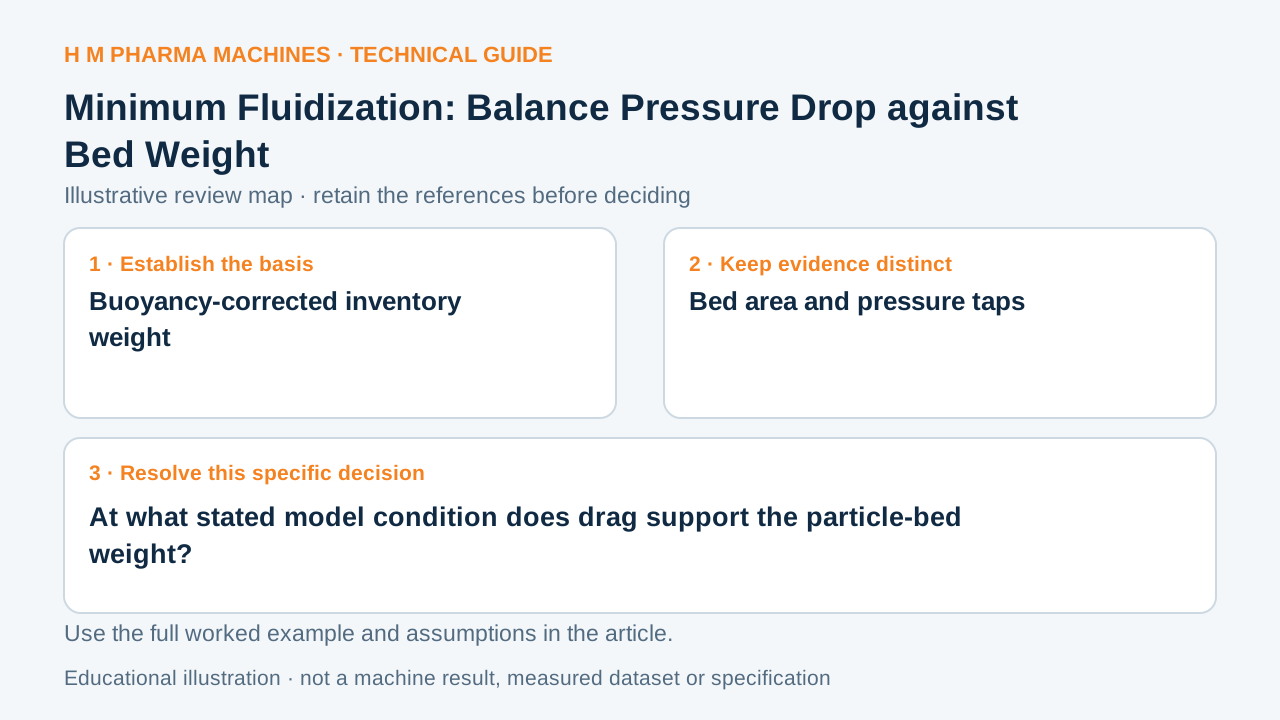
Read Full Article →Distinguish the onset of bed support by gas from a fixed-bed pressure-drop reading, retaining the bed weight and pressure-tap boundary.
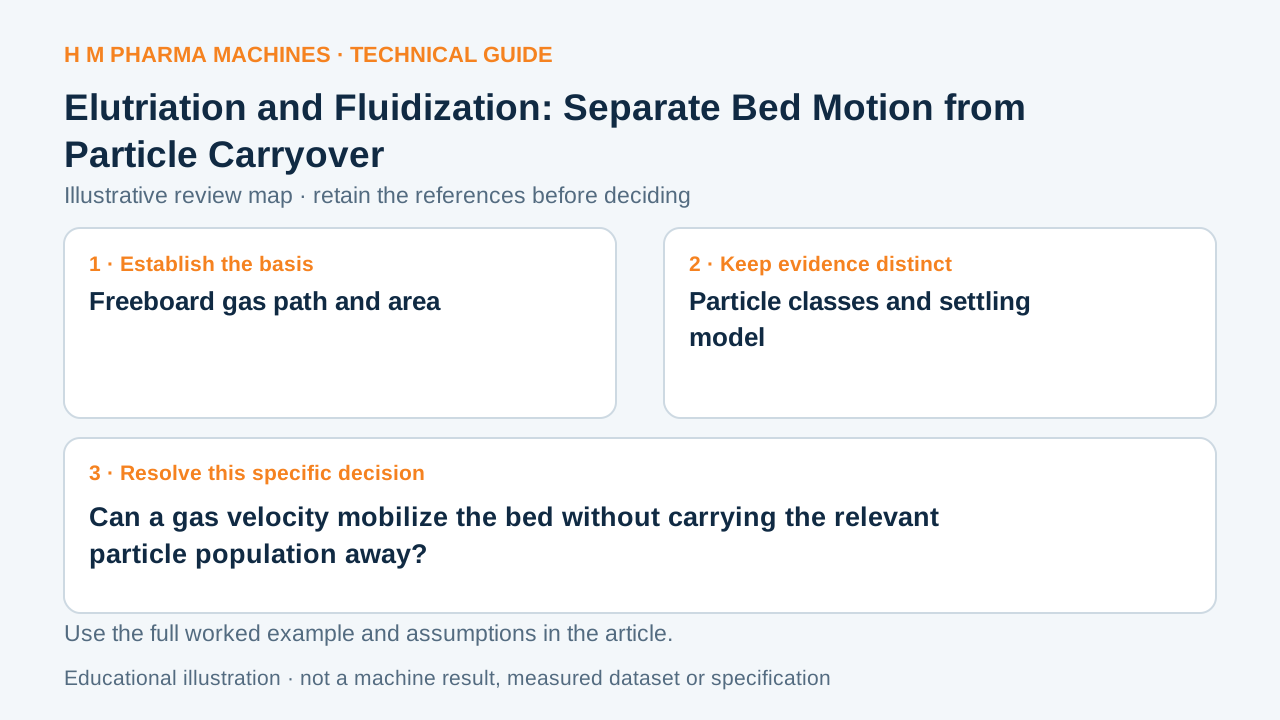
Read Full Article →Review the path above a moving powder bed when asking whether particles leave the vessel; bed fluidization alone does not establish carryover.
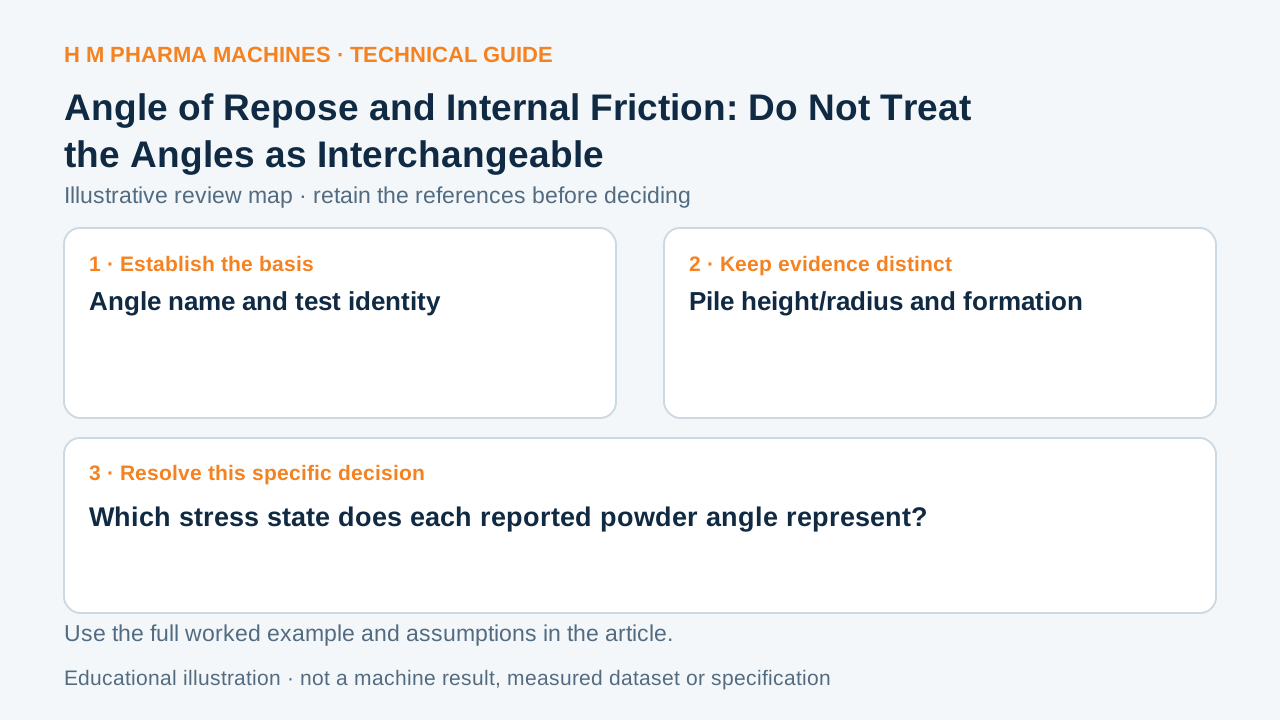
Read Full Article →Keep a poured-pile angle separate from a shear-test friction angle before using either number to explain powder movement.
Read Full Article →Prepare a personal-care liquid trial brief around the complete dispensing pack, finished presentation, neck and exterior observations, and closure-stage evidence.
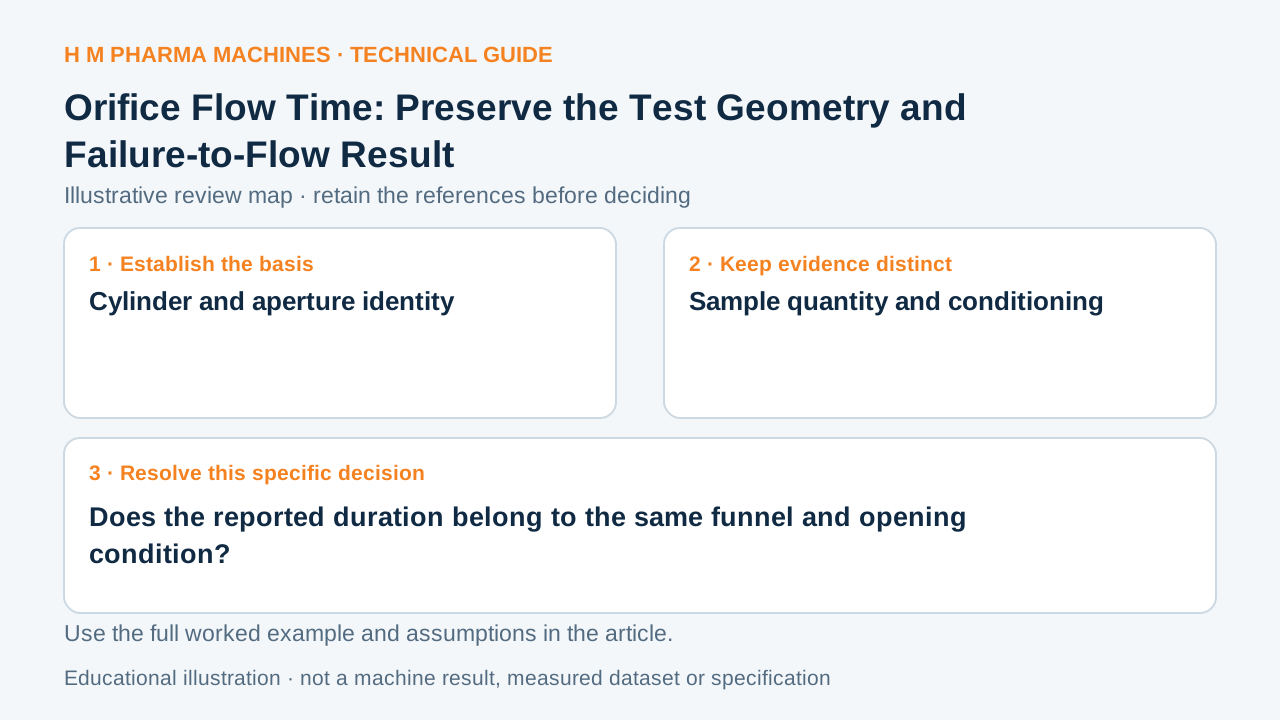
Read Full Article →Retain the outlet geometry and a failure-to-flow observation when reporting a powder discharge time; successful values alone can hide the test boundary.
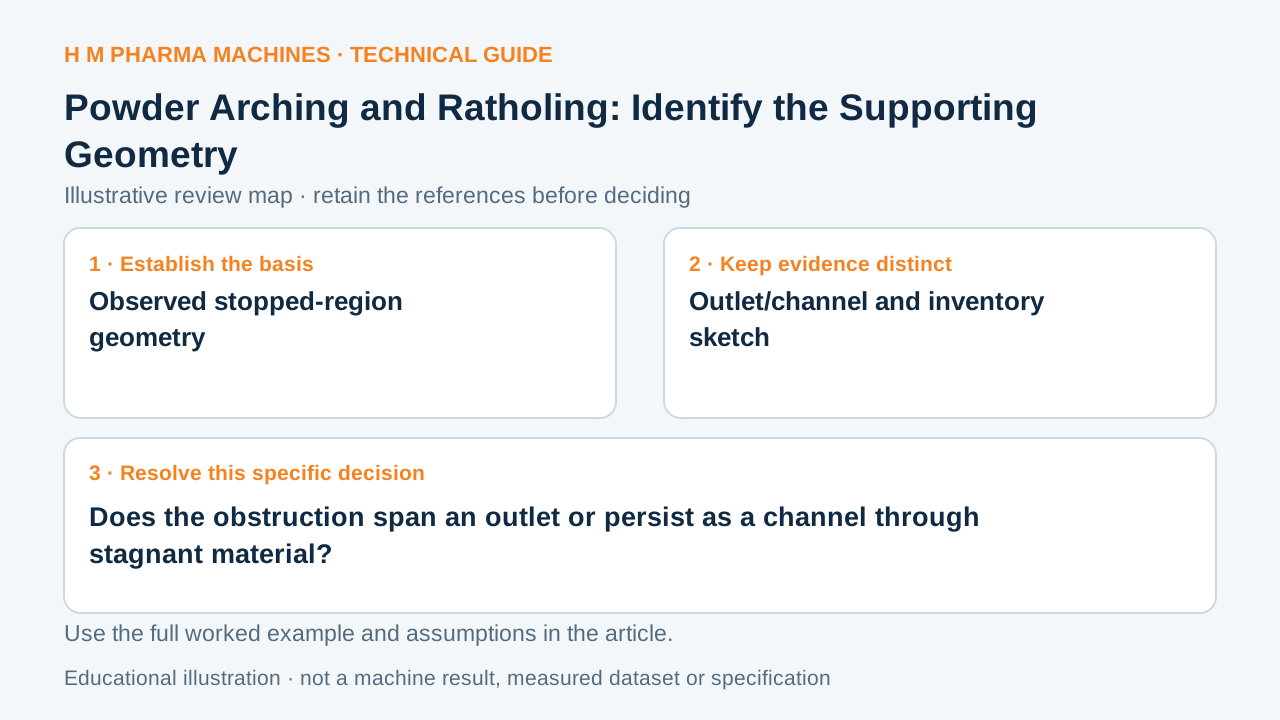
Read Full Article →Describe the shape that supports a stopped powder region before treating every interrupted discharge as the same hopper-flow mechanism.
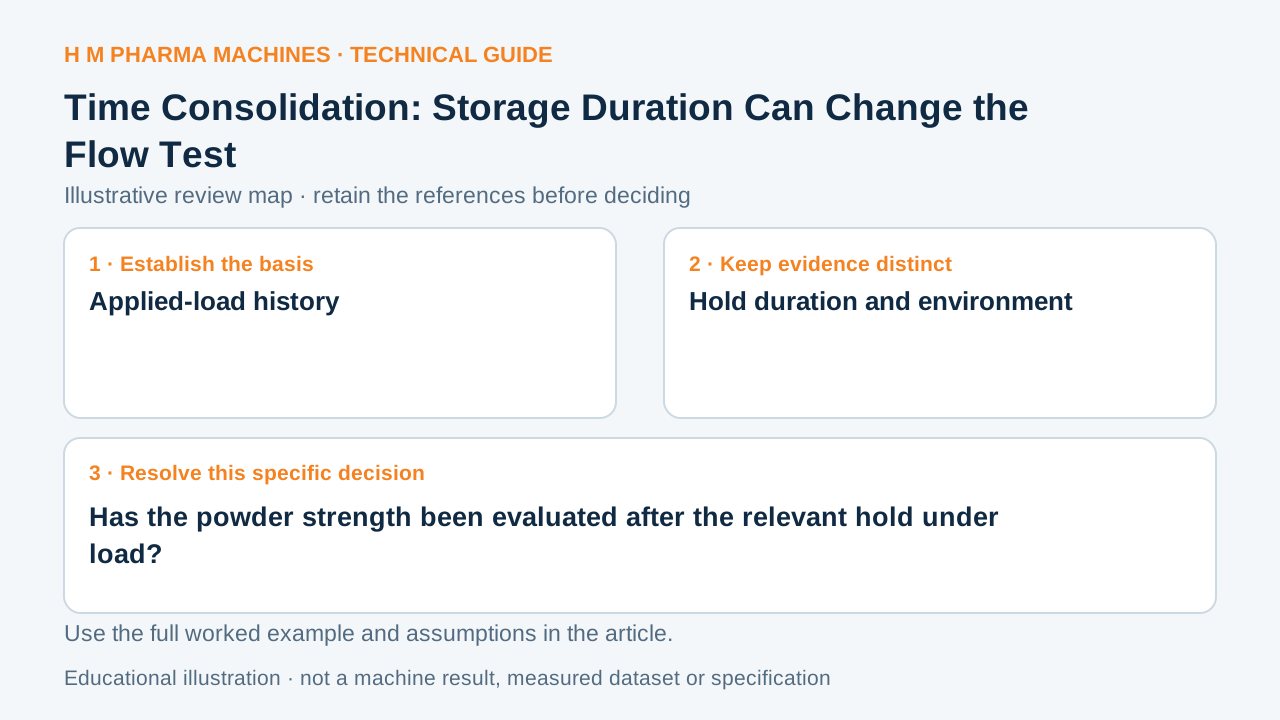
Read Full Article →Keep storage duration beside consolidation load and environment when comparing powder flow results taken immediately and after rest.
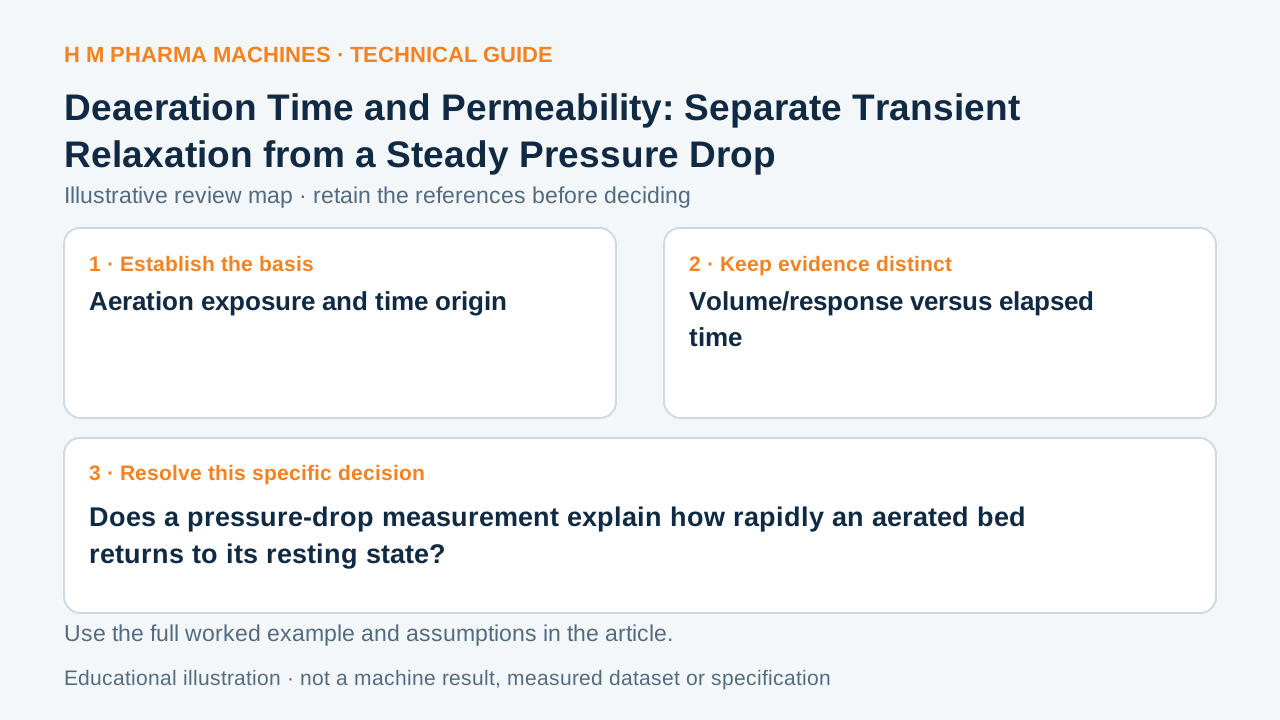
Read Full Article →Compare the time taken after aeration ends with the process waiting interval; steady gas permeability and transient settling answer different questions.
Read Full Article →Retain collected charge, sample mass and measurement history when comparing carried powder charge; a voltage label cannot replace those quantities.
Read Full Article →Preserve the powder–surface contact pair and transfer exposure before attributing a charging difference solely to a change in formulation.
Read Full Article →Identify whether humidity produces ordinary uptake or a transition toward a liquid phase before treating every mass gain as one continuous response.
Read Full Article →Retain the direction of a humidity path before comparing equilibrium uptake; a drying observation can differ from one reached by wetting.
Read Full Article →Compare water-removal rate by interval under controlled conditions before extending a constant-rate model into a later drying period.
Read Full Article →Name the reference mass behind a moisture percentage so that wet-basis and dry-basis values are not mistaken for different material states.
Read Full Article →Interpret a mass-loss test as its stated loss before calling the entire result water, especially when a formulation contains other volatile components.
Read Full Article →Estimate the actual water introduced with the sample before selecting a Karl Fischer mode; a percentage alone leaves the sample load unresolved.
Read Full Article →Retain sample area and distribution when comparing drying-test traces; unequal geometry can change the method response without changing incoming composition.
Read Full Article →State the imposed handling event when comparing airborne release; the ability to disperse a powder in a product is a different outcome.
Read Full Article →Keep the powder packing factor with the capillary uptake slope before interpreting a Washburn result as a change in wettability.
Read Full Article →Blog overview · Latest articles · Machine guide library
Application-based guidance for selecting equipment according to product, container, closure and output.
Practical considerations for connecting washing, filling, capping, labeling and conveying machinery.
Useful information for changeovers, cleaning, preventive maintenance and dependable machine performance.
Share your product, container, closure, required output and process details with our engineering team.