Print Mirroring and Viewing Side: Agree the Orientation of a Reverse-Printed Film
Agree the final viewing side and print orientation before approving artwork intended to be viewed through a film.
Read Full Article →
Practical guides for selecting, planning, operating and maintaining pharmaceutical manufacturing and packaging machinery.
Latest articles
Practical guides to washing, filling, capping, labeling and machine planning. Each card has a distinct Library date; actual publication and revision dates remain inside the article.
Machine guide library
Browse guides by their distinct Library date. These collection labels are separate from actual publication and revision dates shown inside each article.
Agree the final viewing side and print orientation before approving artwork intended to be viewed through a film.
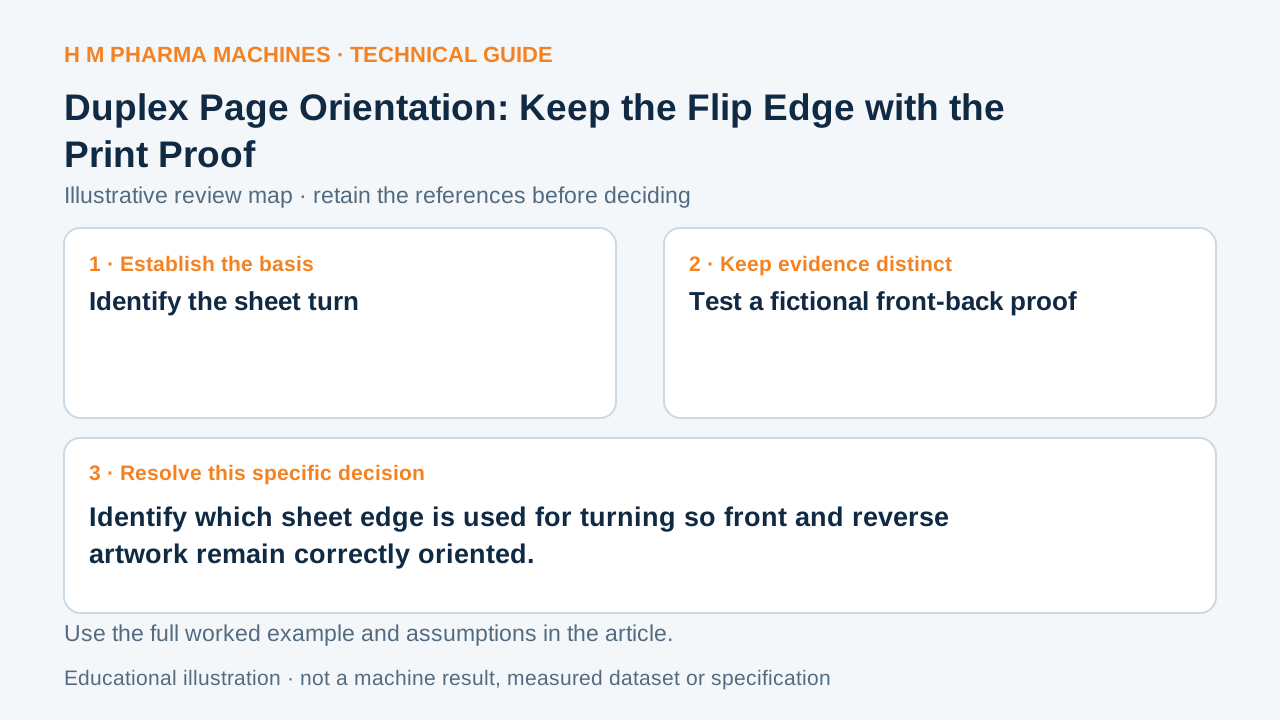
Read Full Article →Keep the selected turn edge and sheet orientation with a two-sided print proof.
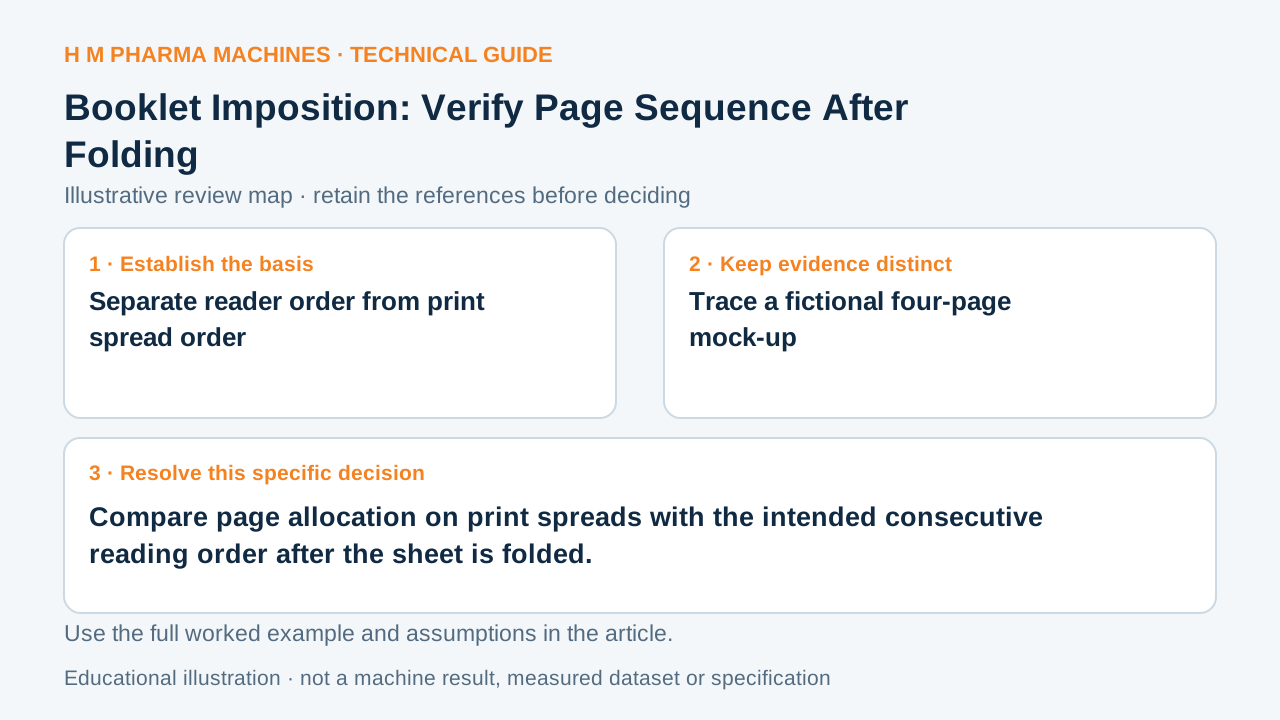
Read Full Article →Check the allocation of leaflet pages to print spreads using a folded mock-up, separately from duplex page orientation.
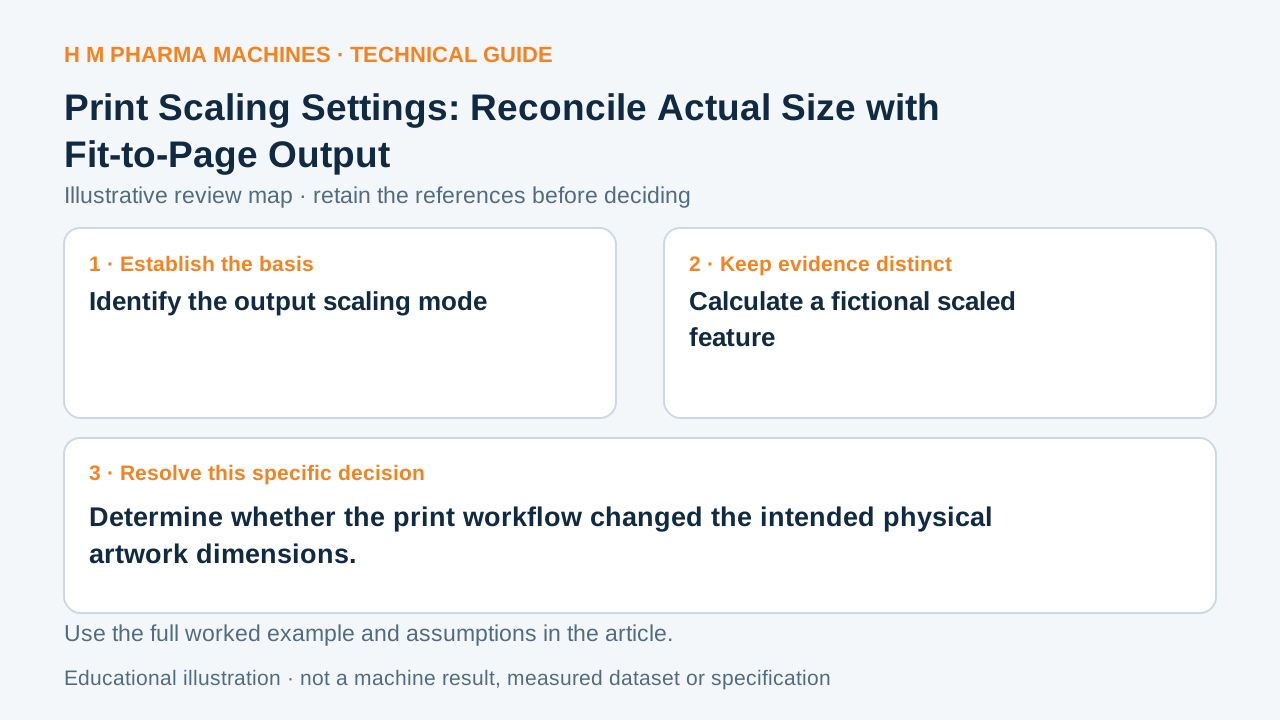
Read Full Article →Check whether print-page scaling changed the approved physical artwork dimensions.
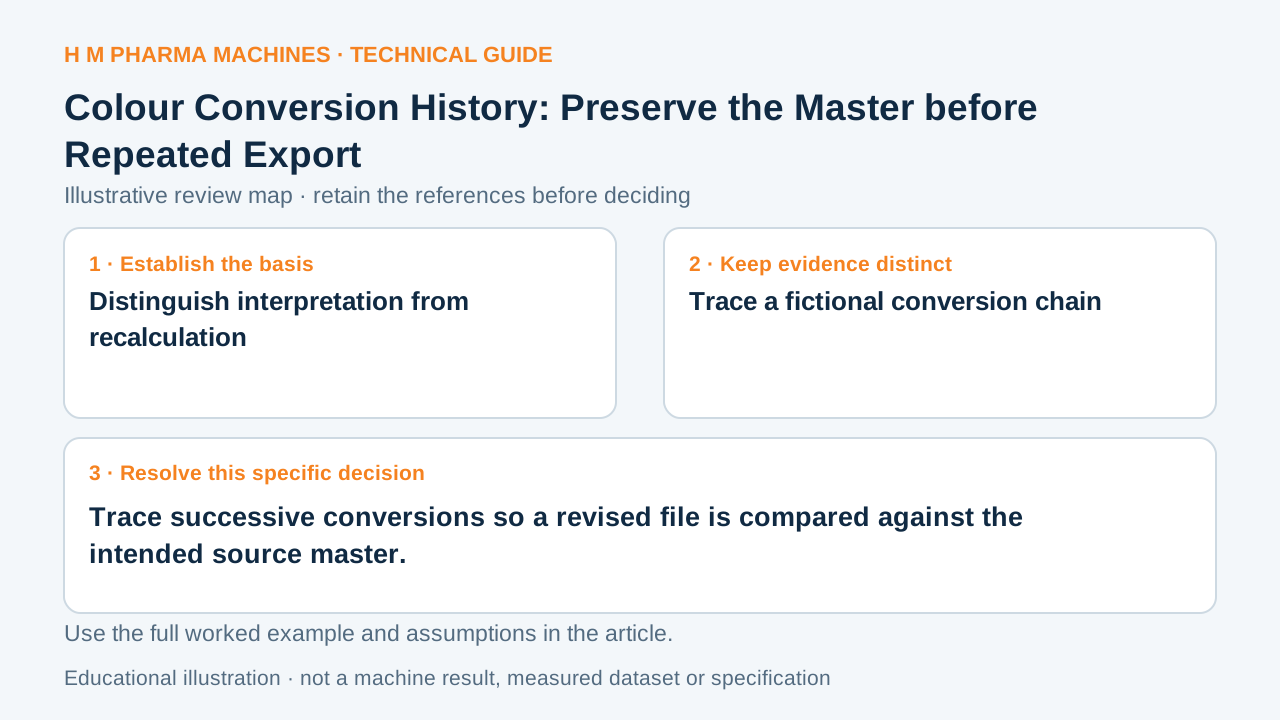
Read Full Article →Trace colour-profile assignment and successive conversions while retaining the approved source master.
Read Full Article →Check the surrounding metal and mounting category before using an inductive sensor distance in a drawing.
Read Full Article →Compare an inductive range with the actual target material and the selected sensor’s reduction-factor basis.
Read Full Article →Separate magnetic metal detection from a capacitance change before selecting a sensor for a container or ingredient.
Read Full Article →Draw the light path to distinguish through-beam, retroreflective and diffuse presence detection.
Read Full Article →Keep the reflector and polarization path visible when reflective packs are assessed with a retroreflective sensor.
Read Full Article →Distinguish triangulation-based background suppression from a decision made solely by returned-light intensity.
Read Full Article →Retain the ultrasonic dead zone before comparing the target’s nearest position with an offered range.
Read Full Article →Use target surface and angle evidence when an ultrasonic echo must return to the selected receiver.
Read Full Article →Compare cylinder-position sensor architectures without assuming that a magnetic switch replacement is electrically or magnetically equivalent.
Read Full Article →Separate cyclic IO-Link process values from acyclic parameter or diagnostic exchanges in an interface proposal.
Read Full Article →Identify whether an IO-Link-capable device is using ordinary switching mode or active digital communication.
Read Full Article →Match the IO-Link device description to the proposed device and retain its revision with the interpreted fields.
Read Full Article →Keep interface MAC identity and current IP configuration in separate columns when reviewing a machine-network inventory.
Read Full Article →Compare the application’s observation and transfer cycles separately from the advertised Ethernet link rate.
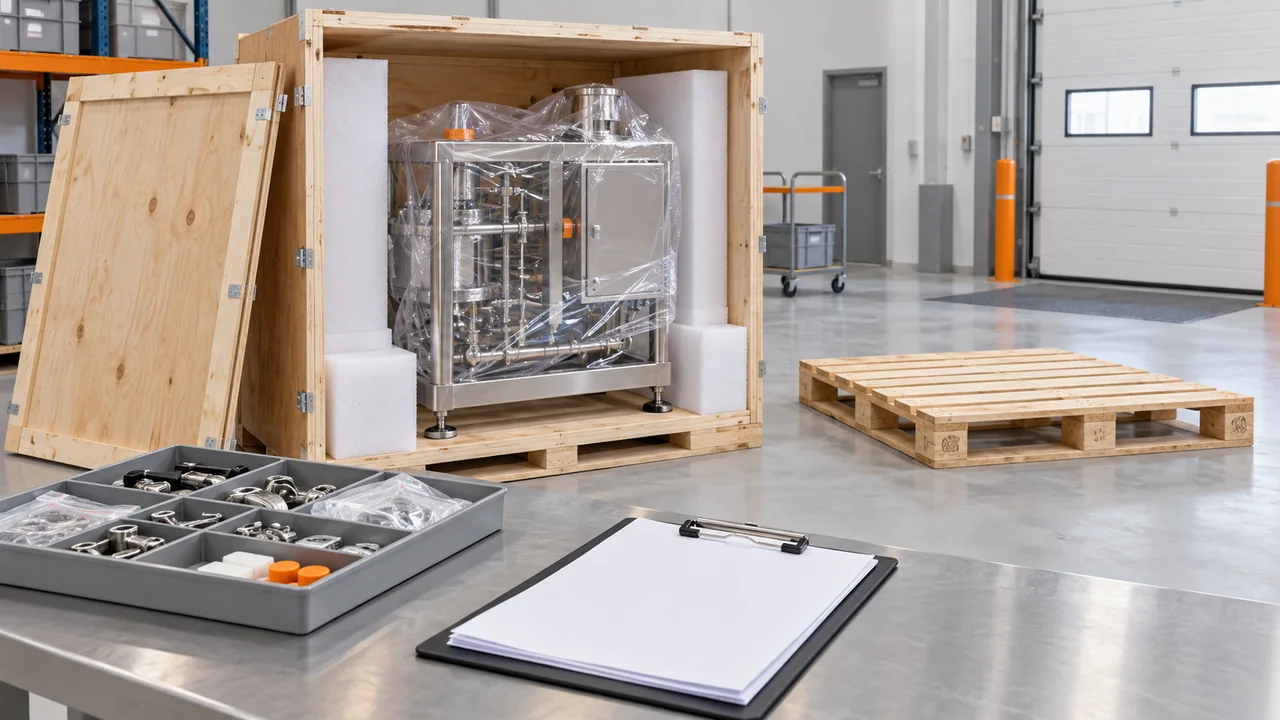
Read Full Article →Reconcile delivered machine crates, loose parts and documents against packing-list references, with an identified receiving exception and follow-up owner.
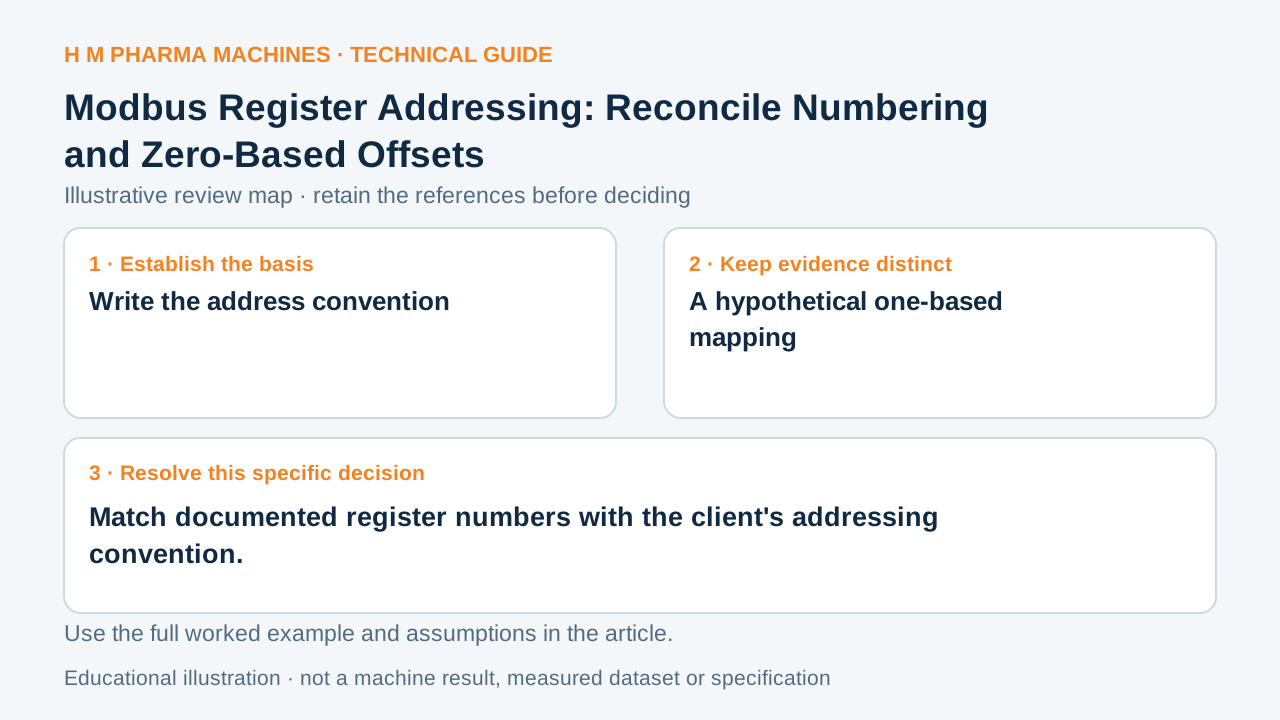
Read Full Article →Retain the Modbus address convention so a human register label is not copied directly into a protocol offset.
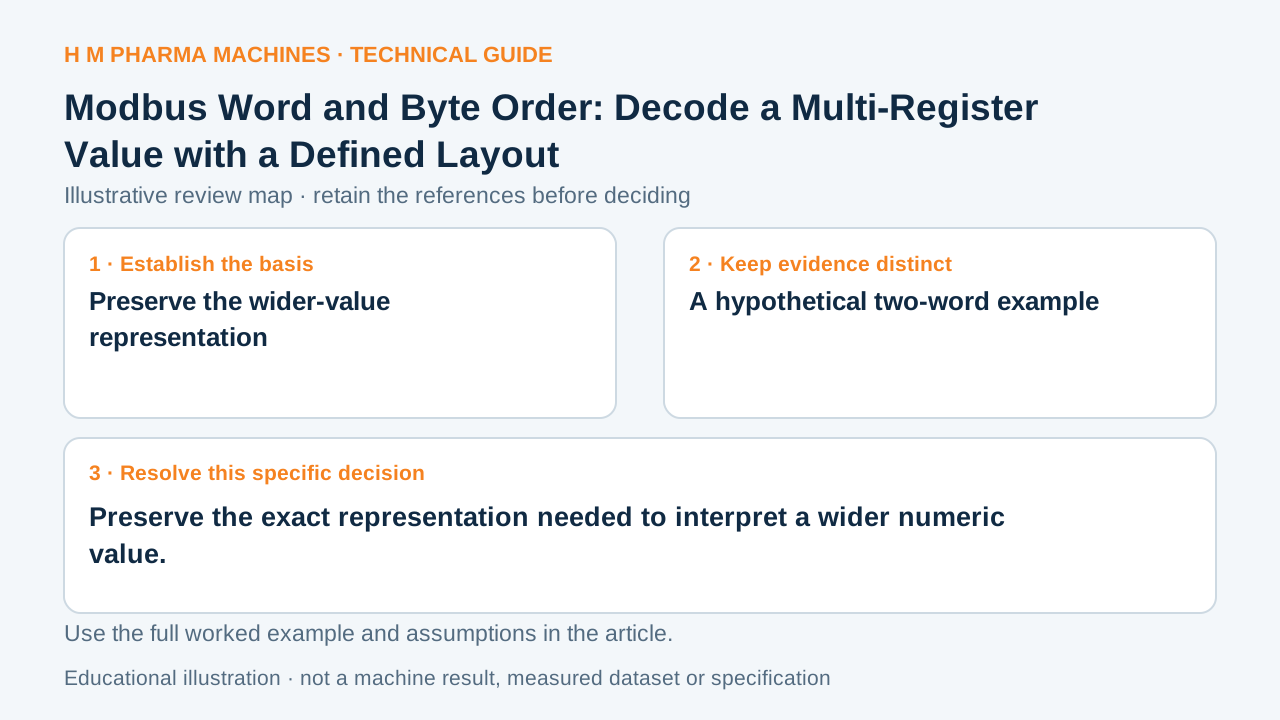
Read Full Article →Specify byte and word ordering before interpreting a wider Modbus value stored across multiple registers.
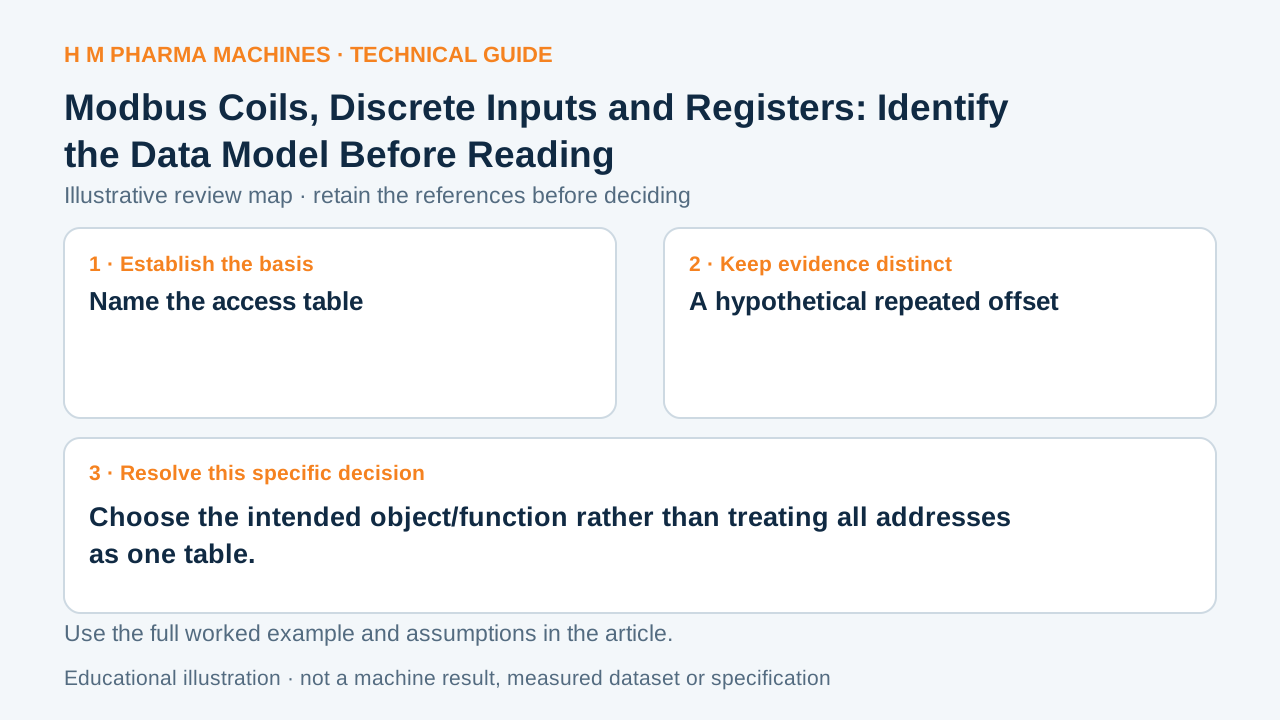
Read Full Article →Identify the Modbus data table as well as the address when defining a requested field.
Read Full Article →Keep a Modbus timeout distinct from an exception response and from a demonstrated physical equipment failure.
Read Full Article →Blog overview · Latest articles · Machine guide library
Application-based guidance for selecting equipment according to product, container, closure and output.
Practical considerations for connecting washing, filling, capping, labeling and conveying machinery.
Useful information for changeovers, cleaning, preventive maintenance and dependable machine performance.
Share your product, container, closure, required output and process details with our engineering team.